






The Agricultural Lifeline
The southwest monsoon, which provides about 70% of India's annual rainfall, is the backbone of the country's agriculture. The sector, which employs nearly half the nation's workforce, is heavily dependent on these seasonal rains for the crucial Kharif
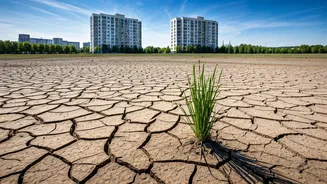
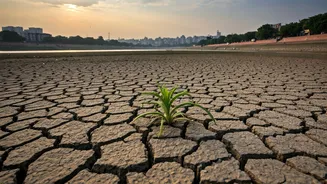
or summer crop season. A timely and evenly distributed monsoon is essential for the cultivation of major crops like rice, cotton, soybeans, and pulses. However, the 2026 monsoon has had a sluggish start, influenced by developing El Niño conditions. As of late June 2026, a significant rainfall deficit has been reported across the country, leading to a major drop in the sowing of key Kharif crops. Data from the Agriculture Ministry shows that the total area under cultivation is down by over 22% compared to the previous year, with significant lags in the planting of rice, pulses, oilseeds, and cotton. This slow start raises concerns about agricultural output, food inflation, and the incomes of millions of farmers.
The Urban Commute Chaos
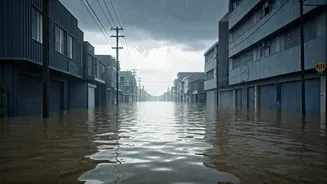
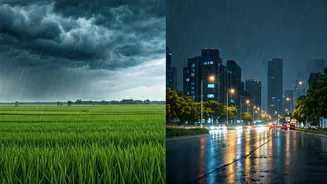
While rural India prays for rain, its arrival in major cities often brings a different kind of anxiety. For the urban commuter, heavy rainfall frequently translates to chaos. Cities like Mumbai, Delhi, and Bengaluru repeatedly face severe waterlogging and traffic disruption during the monsoon. Outdated drainage systems, originally built to handle far less precipitation, are now overwhelmed by short, intense bursts of rain. This year is no exception. As monsoon activity has intensified in late June, warnings have been issued for localized flooding and transport disruptions in multiple states. Airlines have already cautioned passengers about potential flight delays in Mumbai due to adverse weather. The common sight of submerged underpasses, gridlocked traffic, and stranded commuters highlights the immense strain that heavy rains place on urban infrastructure, turning a daily commute into a challenging ordeal.
A Ripple Effect Through the Economy
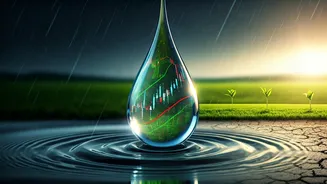
The impact of the monsoon extends far beyond farms and city streets, creating ripples across the entire economy. A strong monsoon boosts rural incomes, which in turn fuels demand for a wide range of goods and services, from fast-moving consumer goods (FMCG) to tractors and two-wheelers. Conversely, a weak monsoon can dampen rural spending and stoke food inflation, impacting household budgets nationwide. The 2026 season's weak start has already prompted concerns about its effect on GDP growth. However, some analysts argue that India's economy is now more resilient to rainfall variations than in the past, thanks to increased irrigation coverage, better food grain stocks, and other structural reforms. Despite this, the monsoon's performance remains one of the country's most closely watched economic indicators, influencing everything from stock market sentiment to the Reserve Bank of India's monetary policy.
More Than Just Rain
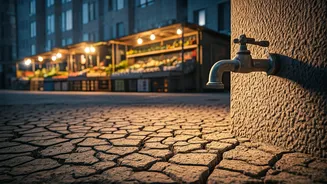
Beyond crops and commutes, rainfall is critical for replenishing the country's water sources. The monsoon fills reservoirs that are vital for drinking water supplies and generating hydropower throughout the year. A deficit in rainfall can lead to water shortages in cities and stress on the power grid. As of late June 2026, the water levels in India's major reservoirs were a concern, standing significantly lower than last year, though still slightly above the long-term average. In Mumbai, despite recent showers, the total stock in the seven lakes that supply the city's water was worryingly low at just 6.75% of capacity, a stark contrast to the 40% level on the same day last year. This has already led to water restrictions in the city, underscoring the direct link between monsoon performance and the availability of this essential resource for millions.
An Increasingly Unpredictable Future
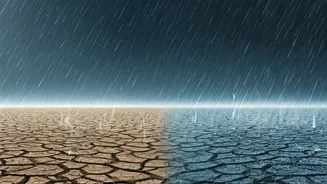
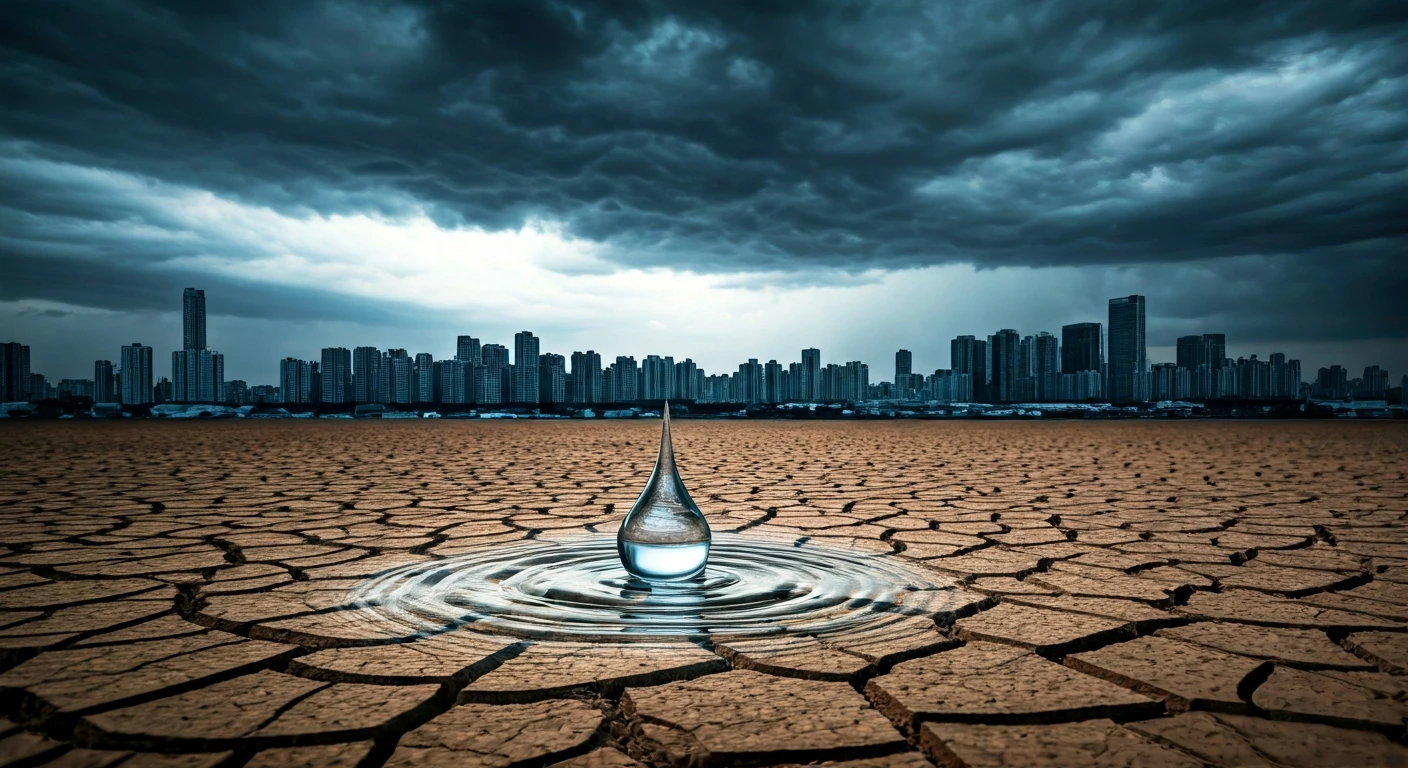
Looming over this entire cycle is the growing impact of climate change. Scientists have observed that human-induced warming is altering India's rainfall patterns. The monsoon is becoming more erratic, characterized by long dry spells punctuated by short, intense, and destructive downpours. This unpredictability poses a dual challenge: farmers struggle with both a lack of sustained rain for crops and the risk of flash floods that can wash away their fields. At the same time, cities are grappling with more frequent extreme rainfall events that their infrastructure is simply not designed to handle. This shift means that managing water—whether there is too little or too much—is becoming one of the most critical challenges for India's future, demanding more resilient agricultural practices and smarter urban planning.