





Master the Art of Drainage
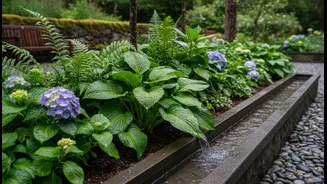
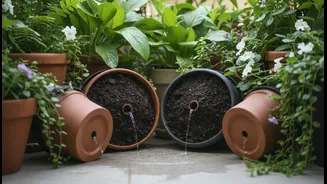
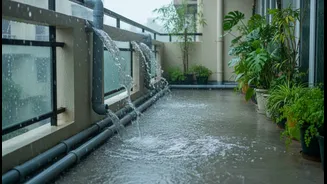
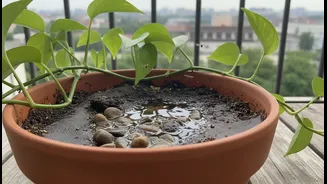
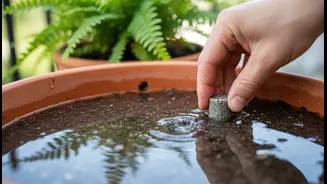
The single biggest threat to potted plants during the monsoon is waterlogging. When soil remains saturated, it suffocates the roots, leading to root rot. Your first line of defence is to ensure every pot has clear drainage holes. If you suspect a blockage,
gently clear it. Elevating your pots on stands, bricks, or even bottle caps is a simple but highly effective trick. This allows excess water to escape freely and increases airflow underneath the pot, helping the soil dry out. For an extra layer of protection, consider adding a layer of gravel or broken terracotta pieces at the bottom of your pots before planting.
Rethink Your Watering Schedule
With high humidity and frequent showers, your plants need significantly less manual watering. Sticking to a summer schedule is a common mistake that leads to overwatering. Before you water, always check the soil; insert your finger about an inch deep. If it feels moist, hold off. Let the top layer of soil dry out between waterings. This simple habit is crucial for preventing the soggy conditions that cause roots to rot and attract pests like fungus gnats.
Provide Shelter and Support
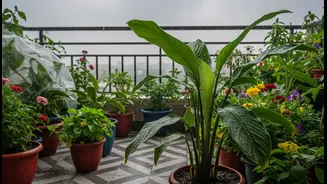
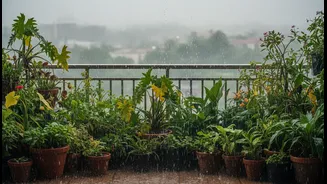
Heavy rain and strong winds can physically damage your plants, breaking stems and shredding leaves. If possible, move more delicate plants to a sheltered part of your balcony, like against a wall or under an overhang, to protect them from the direct force of the downpour. For taller plants, provide support using bamboo sticks or ties to prevent them from snapping in the wind. You can also create a windbreak using netting or screens to shield your entire balcony from harsh gusts.
Guard Against Pests and Diseases
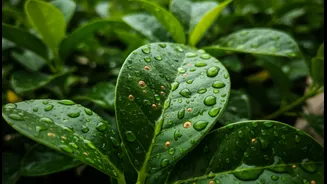
The damp, humid environment of the monsoon is a breeding ground for fungal diseases and pests. Fungi like powdery mildew and pests such as snails and slugs thrive in these conditions. To improve air circulation and discourage fungal growth, avoid overcrowding your plants and prune any yellowing or dead leaves regularly. A preventive spray of neem oil every 10-15 days can be an effective organic solution to keep many common pests and fungal issues at bay.
Manage Soil and Nutrition
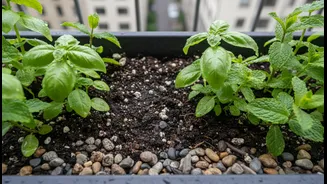
Constant rain can wash away essential nutrients from the soil, leaving your plants undernourished. At the same time, this is not the season for aggressive fertilisation, as plant growth often slows due to reduced sunlight. Opt for a light, organic feed like compost or vermicompost to gently replenish lost minerals without overwhelming the plants. Using a light, well-aerated potting mix containing ingredients like cocopeat and perlite is also beneficial, as it helps prevent soil compaction and ensures roots can breathe.
Prune for Health and Airflow
Regular pruning is essential during the rainy season. Trimming away dense foliage, dead branches, and yellowing leaves does more than just keep your garden looking tidy. It significantly improves air circulation around the plant, which is crucial for preventing fungal diseases that flourish in stagnant, humid air. Pruning also encourages new, healthy growth, ensuring your plants remain vigorous and resilient throughout the monsoon and beyond.