




A New Age of Indian Exploration
There’s a palpable shift in how Indians are choosing to travel. The classic Golden Triangle run is giving way to a desire for authentic, off-the-beaten-path experiences. This hunger for the unexplored coincides perfectly with a nationwide infrastructure
boom. Government initiatives like Bharatmala Pariyojana, which focuses on building economic corridors, coastal roads, and expressways, and the UDAN scheme, aimed at regional air connectivity, are the primary drivers of this change. These projects are not just about easing commerce; they are creating new arteries for tourism, allowing travellers to venture into landscapes that were once considered too remote or difficult to access. This has led to India's significant rise in the World Economic Forum's Travel & Tourism Development Index.
Flying to the Fringes
The UDAN (Ude Desh ka Aam Nagrik) scheme has been a game-changer, making air travel more accessible and affordable for the common citizen. By connecting unserved and underserved airports in smaller towns, the scheme has dramatically expanded India's aviation map. The government's plan to develop 100 new airports over the next decade promises to further this reach. For travellers, this means destinations that once required long, arduous journeys by road or rail are now just a short flight away. Places like the stunning Ziro Valley in Arunachal Pradesh or the historic city of Cooch Behar in West Bengal are becoming viable weekend getaways. This air connectivity is particularly transformative for the Northeast, a region of immense natural beauty that has long been on the periphery of the mainstream tourist circuit.
The Open Road to the Himalayas
Nowhere is the impact of road connectivity more visible than in the Himalayas. The Atal Tunnel in Himachal Pradesh is a prime example. By providing all-weather access to the Lahaul-Spiti valley, which previously remained cut off for nearly six months a year, the tunnel has caused a tourism boom. Tourist footfall to the region has surged, transforming the local economy. What was once a gruelling multi-hour journey across the treacherous Rohtang Pass is now a swift 40-minute drive, opening up destinations like Sissu and Keylong to a new wave of visitors. Similarly, the development of new highways and border roads under the Bharatmala Pariyojana is reducing travel times and improving safety, encouraging road-trippers to explore remote coastal areas and border regions previously deemed inaccessible.
The Homestay Revolution
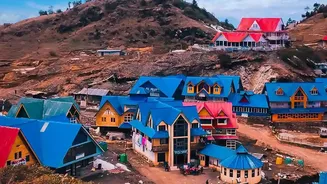
This newfound accessibility isn't just benefiting travellers; it's empowering local communities. In newly opened regions, the tourism economy is growing from the ground up, led by a boom in homestays. In places like Lahaul-Spiti, the number of registered homestays has increased dramatically since the Atal Tunnel opened, providing a direct source of income for local families. This model ensures that the economic benefits of tourism are distributed at the grassroots level. Homestays offer visitors an authentic, immersive cultural experience, from sampling local cuisine to participating in traditional activities, something that conventional hotels often cannot provide. This shift is helping to create a more sustainable and inclusive tourism ecosystem, curbing out-migration from rural areas and preserving local heritage.