
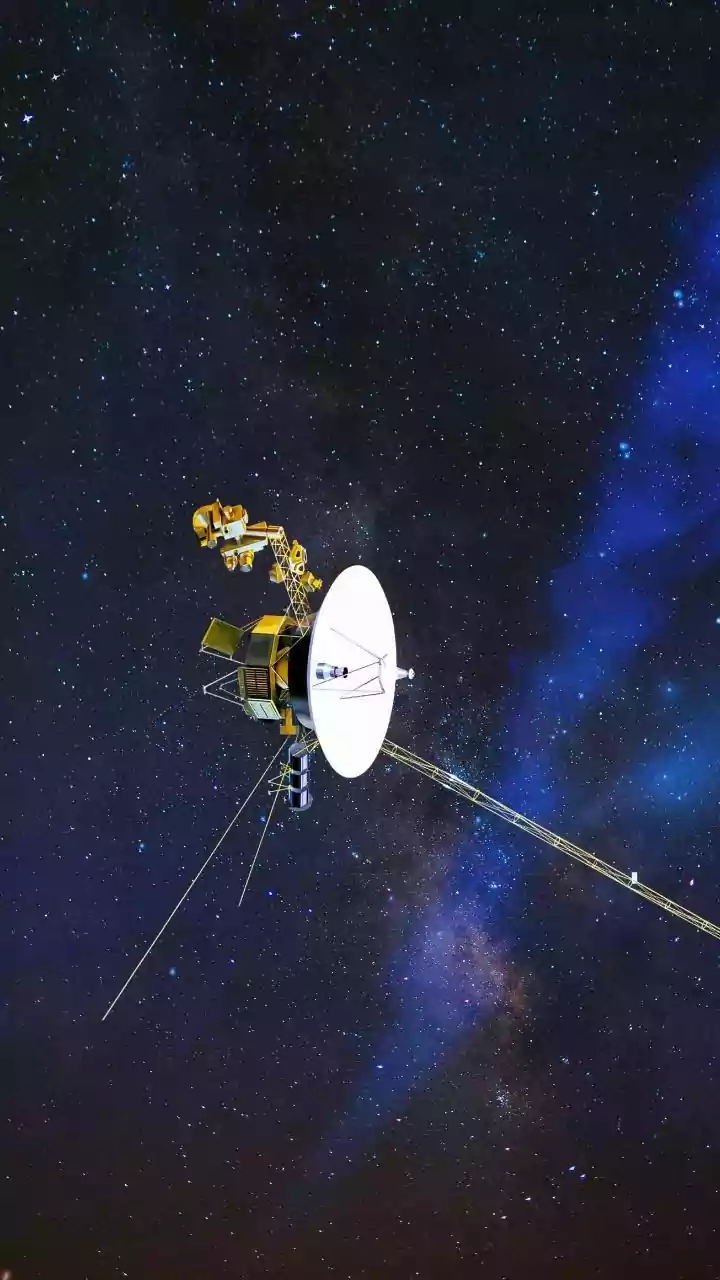



The Indian Space Research Organisation (ISRO) has successfully launched its NVS-03 navigation satellite, a crucial mission to bolster India's indigenous global positioning system, NavIC. Here are the key details of this significant launch.
A Successful Launch
ISRO announced
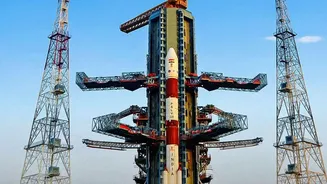
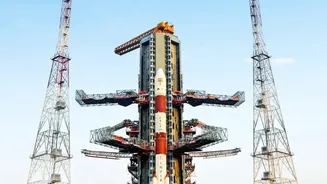
the successful launch of the NVS-03 navigation satellite on October 30, 2026. The liftoff occurred at 11:51 PM IST from the Second Launch Pad at the Satish Dhawan Space Centre in Sriharikota, Andhra Pradesh. The satellite was carried aboard India's Geosynchronous Satellite Launch Vehicle (GSLV), on its 20th flight, designated GSLV-F18. Approximately 20 minutes after a perfect liftoff, the rocket successfully deployed the 2,250 kg satellite into its intended Geosynchronous Transfer Orbit (GTO). Following this initial deployment, ISRO will perform a series of orbit-raising manoeuvres to place NVS-03 into its final operational slot.
Why This Mission is Critical
The NVS-03 launch is a vital step in strengthening the Navigation with Indian Constellation (NavIC) system. NavIC is India's autonomous regional navigation network, an alternative to foreign systems like the American GPS. The system had been operating below its minimum requirement of four functional satellites to provide accurate standalone positioning services, partly due to the failure of atomic clocks on older satellites and a setback with the NVS-02 mission in early 2025. The successful deployment of NVS-03 restores the constellation to the minimum operational number, ensuring the continuity and reliability of NavIC's services.
Understanding NavIC's Importance
Developed by ISRO, NavIC provides accurate positioning, navigation, and timing services for India and a region extending about 1,500 kilometres beyond its borders. The push for an independent system was underscored during the 1999 Kargil War when access to foreign GPS data was restricted. Having a sovereign navigation system is crucial for national security and strategic applications, including guiding military assets without reliance on foreign powers. Beyond defence, NavIC has wide-ranging civilian applications, supporting transport, disaster management, logistics, and financial transactions that require precise timing signals.
The Technology Behind NVS-03
The NVS series represents the second generation of satellites for the NavIC constellation, designed to augment and eventually replace the older IRNSS-1 series satellites. A key upgrade in the NVS series is the inclusion of an indigenously developed Rubidium atomic clock. Failures of imported atomic clocks on earlier satellites were a primary reason for the NavIC constellation's degradation. By flying its own highndegree precision clocks, ISRO is moving towards greater selfndreliance. The NVS satellites also transmit on the L1 frequency band, which is widely used in civilian devices like smartwatches, a move intended to significantly increase the public adoption of NavIC.
The Road Ahead for NavIC
While the successful launch of NVS_03 is a major milestone, it is one part of a broader plan. ISRO has more satellites in the pipeline, including NVS_04 and NVS_05, which are planned for launch to further solidify the constellation. The ultimate goal is to have a fully operational and robust sevenndsatellite constellation providing seamless services. Achieving this will not only guarantee India's strategic autonomy in navigation but also open up new commercial opportunities as more consumer devices integrate NavIC compatibility. The focus now shifts to the successful inorbit manoeuvres of NVS_03 and preparing for the subsequent launches that will complete the secondgeneration network.