



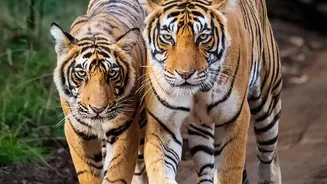

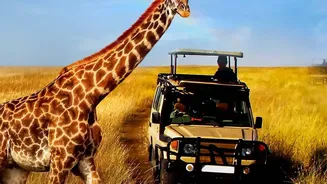
The dream is simple: a quiet jeep, the jungle air, and a glimpse of a Royal Bengal Tiger. The reality? A frantic online rush for safari permits that sell out in minutes. This 'golden ticket' problem at India's top parks is a blessing in disguise.
The Golden Ticket Problem
Planning
a trip to one of India's premier tiger reserves like Ranthambore, Corbett, or Kanha now feels less like booking a holiday and more like competing for a coveted prize. To protect ecosystems and prevent stress on wildlife, the National Tiger Conservation Authority and state forest departments enforce strict limits on the number of safari vehicles allowed into core forest zones each day. These quotas are essential for conservation, but with soaring tourist demand, they create a bottleneck. Permits for popular zones are often released 120 days in advance and can be fully booked within minutes of going live, leaving many aspiring visitors disappointed. This scarcity has turned safari booking into a high-stakes, time-sensitive affair that requires military-like precision. If you aren't online the moment the window opens, your chances of securing a spot in a prime area during peak season are slim.
A Blessing for Biodiversity
While this booking challenge can be frustrating, it is having an unintended and wonderful side effect: it’s pushing wildlife enthusiasts to look beyond the usual suspects. As securing a safari in the most famous parks becomes harder, travellers are discovering that India’s biodiversity is not limited to a handful of celebrity reserves. This shift is distributing tourist traffic more evenly, reducing pressure on the most famous parks and bringing much-needed attention and revenue to other deserving conservation landscapes. Safari seekers are learning that a rewarding wildlife experience isn't just about the tiger; it's about the thrill of exploration, the richness of the habitat, and the intimacy of a less crowded jungle. The result is a new wave of interest in parks that offer unique adventures and phenomenal sightings without the frantic booking race.
Satpura: The Adventurer's Park
For those who want to experience the jungle on its own terms, Satpura Tiger Reserve in Madhya Pradesh is a revelation. Unlike most tiger reserves, Satpura is famous for its multi-activity approach. It is one of the rare parks in India where you can embark on walking safaris, allowing for an intimate connection with the forest floor where you learn to read pugmarks and listen for alarm calls. You can also explore the stunning landscape of ravines and hills via canoe or boat on the Denwa River. While tigers are present, Satpura is celebrated for its excellent sightings of sloth bears, leopards, and the Malabar giant squirrel. It offers a more holistic and less frenzied wilderness experience, making it a perfect alternative for those seeking adventure beyond the jeep.
Tadoba_Andhari : The Rising Star
Located in Maharashtra, Tadoba_Andhari Tiger Reserve has rapidly gained a reputation for its consistent tiger sightings, earning it a top spot among serious wildlife lovers. Though its popularity is soaring, it remains more accessible than the older, more established parks. The reserve's diverse landscape includes dense forests, sprawling meadows, and the picturesque Tadoba Lake, which acts as a magnet for wildlife. Tadoba offers excellent safari opportunities in both its core and buffer zones, and the high prey density supports a healthy population of tigers, leopards, and wild dogs (dholes). Beyond the standard jeep safaris, visitors can enjoy activities like nature walks and birding near the Irai Lake backwaters, making for a well_rounded wildlife holiday.
Kabini : The Southern Jewel
Part of the Nagarhole National Park in Karnataka, Kabini is a world_class destination that showcases the incredible biodiversity of the Western Ghats. Situated on the banks of the Kabini River, it is arguably one of the best places in the world to see leopards, including the famed melanistic leopard, or black panther. While tigers are certainly a key attraction, Kabini is renowned for its large herds of Asiatic elephants that congregate by the river, especially during the summer. The park offers a unique combination of land and water safaris; morning jeep drives take you deep into the forest, while evening boat safaris provide a serene perspective of animals coming to the water's edge. With over 250 bird species, it's a paradise for ornithologists and photographers alike.
Pench : Kipling's Jungle
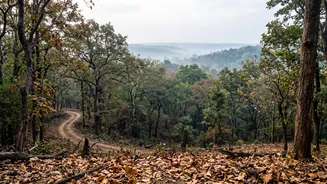
The inspiration for Rudyard Kipling's 'The Jungle Book', Pench Tiger Reserve straddles Madhya Pradesh and Maharashtra. Its landscape of teak forests and open, grassy patches is home to a thriving population of tigers, leopards, and packs of dholes. Pench offers a classic Central Indian jungle experience but often with less tourist pressure than its more famous neighbours, Bandhavgarh and Kanha. The Pench River, which flows through the park, creates a vital lifeline for its rich fauna, which includes large herds of gaur (Indian bison) and sambar deer. With a high density of prey animals, wildlife sightings are frequent, making every safari an exciting and unpredictable adventure into Mowgli's world.