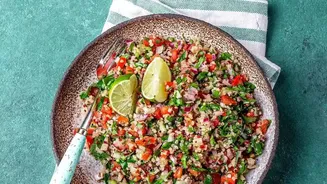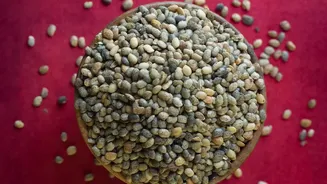

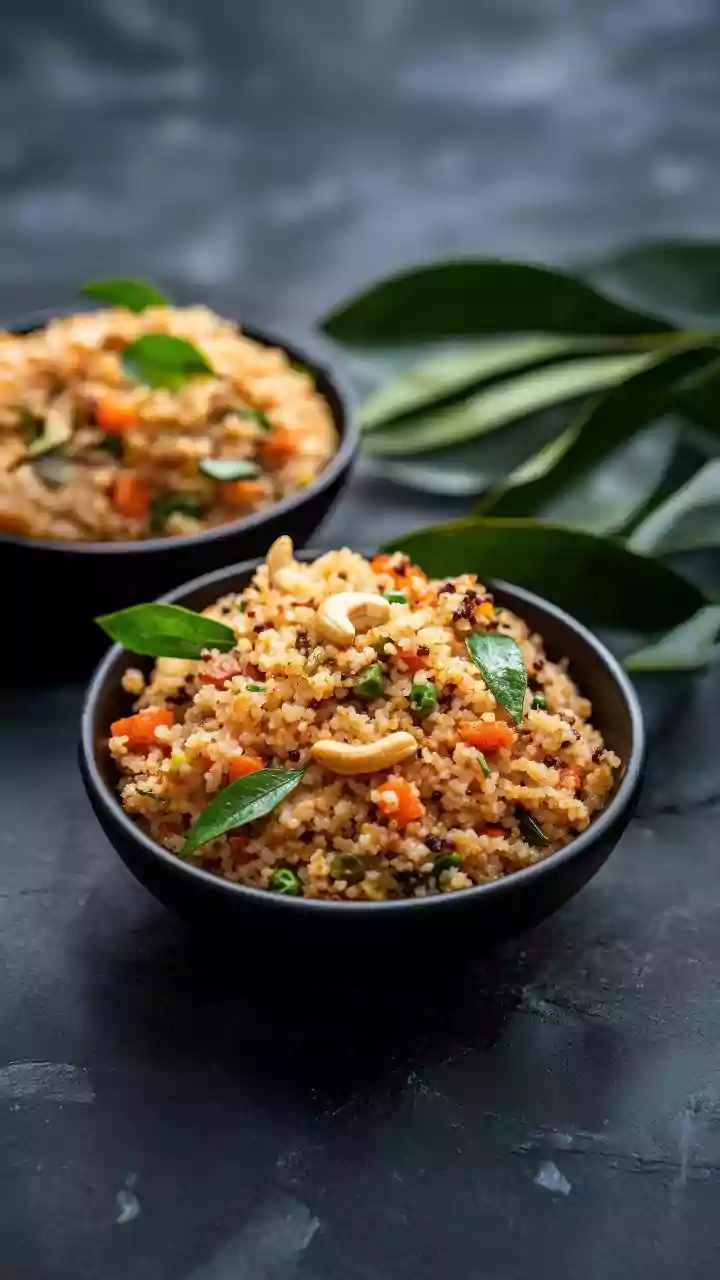
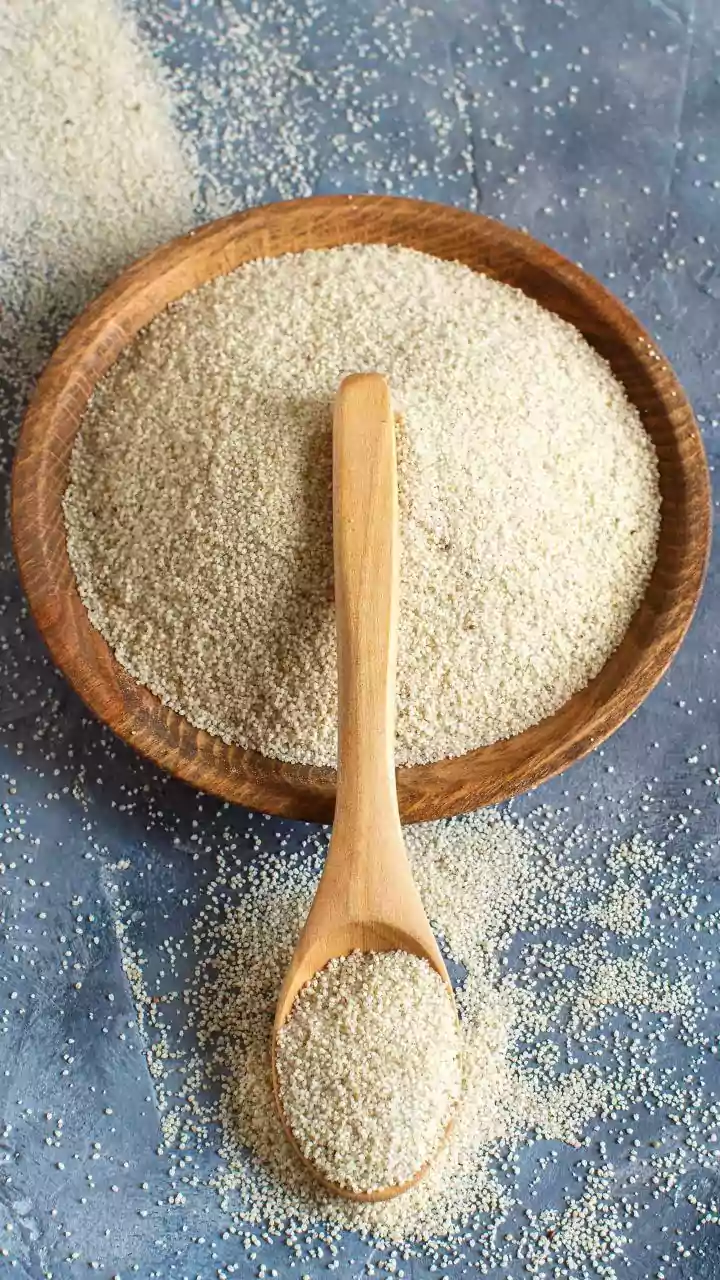

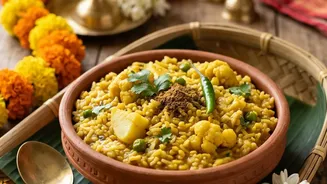
Indian breakfasts like poha, parathas, and idlis are beloved for their flavour but are often heavy on carbohydrates. A simple way to make them more balanced is by adding high-fibre seeds, which can aid digestion and help manage blood sugar.
1. Chia Seeds
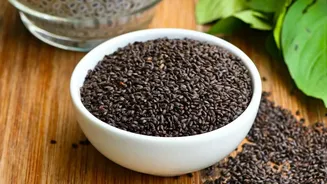
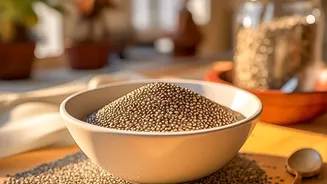
These tiny
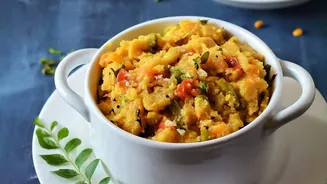
black and white seeds are nutritional powerhouses, containing an impressive amount of dietary fibre. Just two tablespoons offer nearly 10 grams of fibre, which promotes gut health and can help you feel fuller for longer. Chia seeds are also rich in omega-3 fatty acids and protein. Their gelling property, which activates when soaked, makes them incredibly versatile. For a simple upgrade, stir a spoonful of soaked chia seeds into your upma or poha just before serving, or blend them into your idli and dosa batter for a nearly undetectable health boost.
2. Flax Seeds (Alsi)
Flax seeds, or 'alsi', are one of the richest plant-based sources of the omega-3 fatty acid ALA, which is crucial for heart health. They are also packed with both soluble and insoluble fibre, which aids in digestion and helps lower cholesterol. Additionally, flax seeds contain lignans, which have antioxidant properties. For your body to best absorb these nutrients, it is recommended to consume flax seeds in their ground form. Simply add a tablespoon of ground flaxseed powder into the dough for your parathas or theplas, or sprinkle it over a bowl of curd to accompany your breakfast.
3. Pumpkin Seeds (Kaddu Ke Beej)
Often discarded, pumpkin seeds are a treasure trove of nutrients. They provide a healthy dose of protein, unsaturated fats, and fibre. They are also an excellent source of minerals like magnesium, iron, and zinc. Hulled pumpkin seeds, known as pepitas, have a mild, nutty flavour that complements many dishes. Toast a handful and use them as a crunchy topping for poha or upma. You can also grind them into a coarse powder and mix it with atta to make nutrient-dense rotis or even blend them into a savoury chutney to serve with dosa.
4. Sesame Seeds (Til)
A staple in Indian kitchens, sesame seeds are celebrated for their rich, nutty flavour and impressive health benefits. They are a good source of fibre, plant-based protein, and healthy fats. Sesame seeds are also loaded with minerals like calcium and magnesium for bone health, and they contain unique compounds called lignans, which have antioxidant effects. Toasted sesame seeds can be sprinkled over dishes like sabudana khichdi for added texture. For a more integrated approach, you can create a 'podi' or dry chutney with roasted sesame seeds, lentils, and spices to eat alongside idlis and dosas.
5. Sunflower Seeds (Surajmukhi Ke Beej)
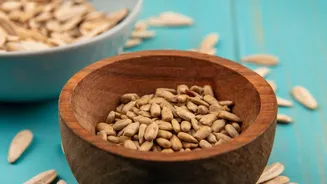
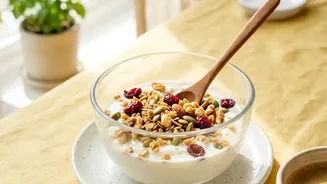
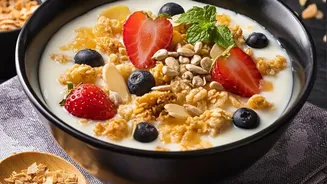
Sunflower seeds are another excellent source of healthy unsaturated fats, protein, and fibre. They are particularly notable for their high vitamin E content, a powerful antioxidant that helps protect cells from damage. These mild-tasting seeds are also rich in selenium and B vitamins like folate. The kernels can be eaten raw or roasted and make for a wonderfully crunchy garnish on almost any breakfast dish. Try sprinkling them over a savoury porridge or mixing them into a homemade granola to be eaten with curd. Their subtle flavour ensures they won't overpower your favourite morning meals.