




The Great Protein Rush
Not long ago, protein moved from the niche world of gyms into mainstream Indian kitchens and conversations. [16, 5] Driven by rising health awareness, fitness influencers, and a market eager to serve, protein became the hero macronutrient. [4] Everything
from breakfast cereals and biscuits to coffee and even water was suddenly available in a 'high-protein' version. [8, 11] For many urban consumers, hitting daily protein targets became a primary dietary goal. [3] This boom was a response to a genuine nutritional gap, as studies have repeatedly shown that a significant portion of the Indian population is protein-deficient. [3, 10, 18] Brands and marketers tapped into a growing anxiety around health, positioning protein as the simple fix for everything from muscle repair to overall wellness. [8]
The Limits of a Single-Nutrient Focus
While increased protein awareness has been positive, the intense focus has also led to what some nutritionists call 'obsession' rather than balance. [8] The concern is that fixating on one nutrient can create dietary imbalances, leading people to neglect other vital elements like fibre, vitamins, and healthy fats. [7] Many processed, 'protein-fortified' foods come with trade-offs like added sugars, sodium, and artificial ingredients, essentially rebranding ultra-processed items as health food. [8] This reductionist view of nutrition—treating food as a set of numbers to be met rather than as a source of holistic nourishment—is prompting a rethink among consumers who are experiencing a form of diet fatigue.
A Return to Holistic and Traditional Eating
The counter-movement is a shift toward a more holistic and sustainable approach to health. [6] Instead of chasing a single nutrient, the focus is broadening to include overall dietary patterns, gut health, and mental well-being. [6, 13] This has sparked a revival of interest in traditional Indian food wisdom, which has always emphasized balance and diversity. [22] The classic Indian thali, with its combination of grains, lentils, vegetables, and fermented foods like curd, is being seen once again as a complete and balanced nutritional model. [22] People are realizing that traditional diets, when not displaced by modern processed foods, were naturally designed for good health. [23]
The Rise of Gut Health and Ancient Grains
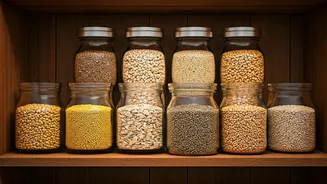
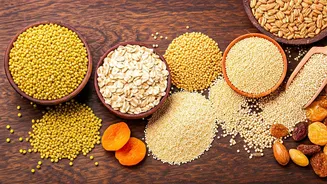
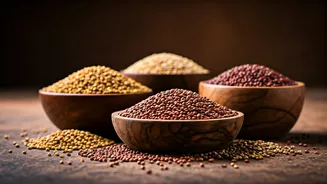
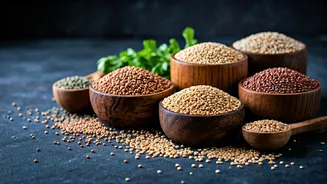
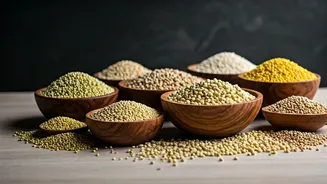
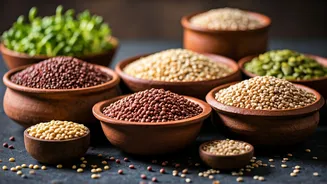
A key pillar of this new wellness approach is a focus on gut health. [19] There's a growing understanding that a healthy gut microbiome is central to digestion, immunity, and even mental well-being. [20, 23] This has led to a surge in the popularity of fermented foods and prebiotics. [19, 23] At the forefront of this trend is the remarkable comeback of millets. [2] Once staples of the Indian diet, grains like ragi, jowar, and bajra are being celebrated for their rich fibre content, low glycemic index, and benefits for gut health. [2, 23, 25] Government initiatives like the 'International Year of Millets' have further boosted awareness, positioning these ancient grains as sustainable and nutrient-dense alternatives to refined wheat and rice. [2, 21]
The New Balanced Plate
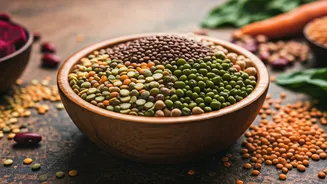
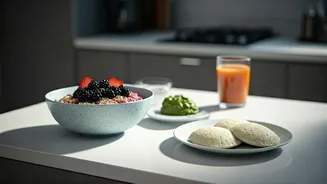
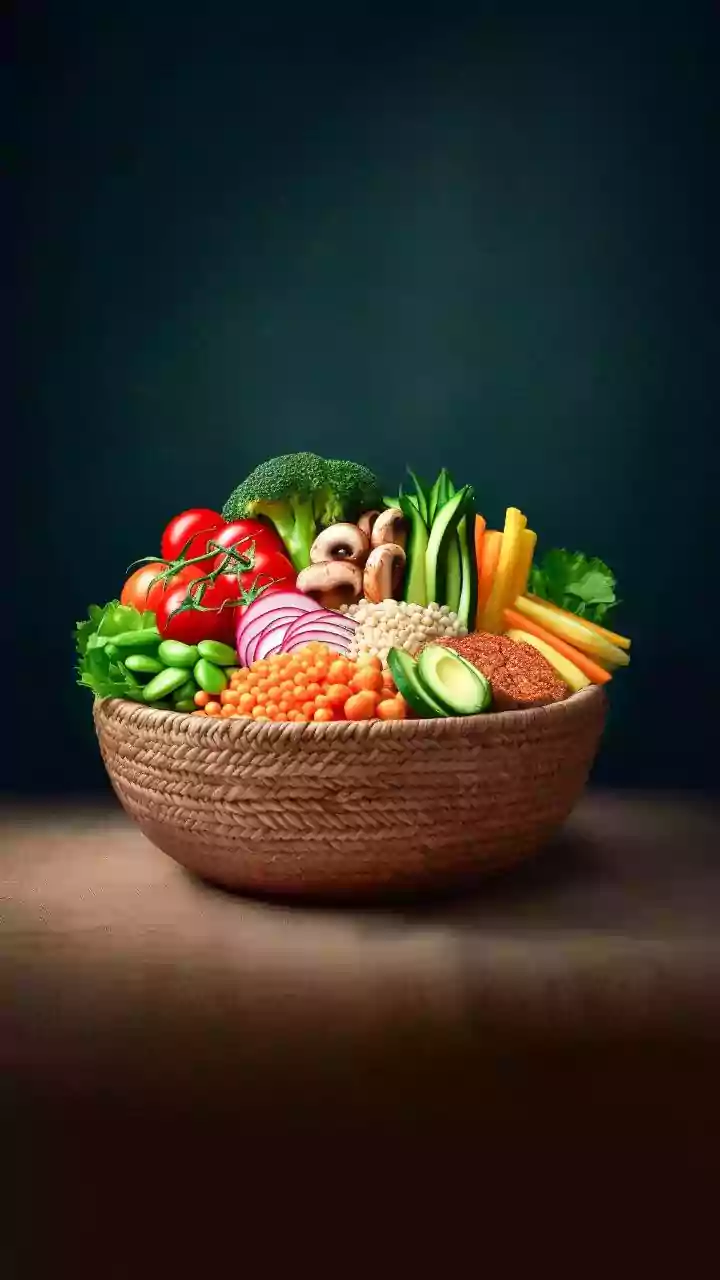
So, what does the 'post-protein obsession' plate look like? It's less about restriction and more about inclusion. It champions variety, incorporating a mix of whole grains like millets, high-quality protein from sources like dals and legumes, plenty of fresh vegetables, and healthy fats. [14] It values food in its whole form over processed alternatives and favours seasonal, local produce that supports both personal health and the environment. [22] This evolving mindset suggests a maturation in India's wellness journey. The initial excitement over a single 'super' nutrient is giving way to the timeless wisdom that true health lies in balance, variety, and a mindful connection to what we eat. [13, 18]