









More Than Just a Cuddle
The feeling of a cat purring on your lap or a dog greeting you with unrestrained joy is a universal pleasure. For many, this is the essence of having a pet. But these moments, while wonderful, are just the surface of a much deeper connection available
to us. The real opportunity lies in moving beyond passive ownership—where a pet is simply present in the home—to active, intentional companionship. This distinction is crucial. It’s the difference between having an animal in your life and building a meaningful relationship with one, a bond that research shows is mutually beneficial.
The Chemistry of Companionship
When you engage in focused, positive interaction with an animal, your body chemistry changes. Studies have shown that petting and playing with animals can decrease levels of cortisol, the body's primary stress hormone. At the same time, these interactions boost the release of oxytocin, often called the “love hormone,” which is instrumental in social bonding. This isn't a one-way street; research confirms that dogs also experience a surge in oxytocin when they interact positively with their owners. This creates a powerful feedback loop of affection and trust that lowers blood pressure, reduces anxiety, and fosters a profound sense of well-being for both human and animal.
Intentional Interaction Is Key
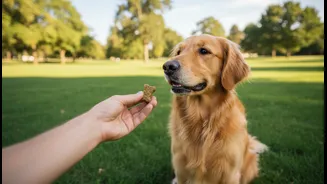
So, what does it mean to interact with intention? It goes beyond a fleeting pat on the head. It involves setting aside dedicated time to engage with your pet, free from distractions. A 2024 study highlighted that specific activities like playing with or walking a dog strengthened brain waves associated with relaxation and stability, while grooming and massaging them boosted concentration. This could mean a daily play session with a favourite toy, a structured training exercise to learn a new trick, or a mindful grooming routine. Even the simple act of watching fish in a tank has been shown to induce calmness. These focused activities communicate to your pet that they are a priority, strengthening your bond and amplifying the psychological benefits far more than their mere presence in the room.
A Boost for the Brain and Well-being
The advantages of a strong human-animal bond extend beyond emotional comfort to cognitive health. Research has linked pet ownership, particularly when it involves active engagement, to slower rates of cognitive decline in older adults. Studies have found that pet owners can exhibit higher cognitive functioning in areas like memory and attention. For children, growing up with pets and participating in their care can teach empathy, responsibility, and routine. Interacting with animals has been shown to help children with conditions like ADHD to improve focus and social skills. This relationship provides a powerful sense of purpose and combats loneliness, which are critical components of long-term mental health for people of all ages.
Building the Bond in Daily Life
Integrating these practices into a busy life doesn't have to be complicated. For those living in apartments, a short but focused indoor play session can be just as effective as a long walk. Consider puzzle feeders that engage your pet's mind or learning basic massage techniques for a relaxing evening ritual. The principle also extends beyond ownership. In many Indian communities, engaging positively with neighbourhood dogs or cats—by providing fresh water, speaking to them calmly, and respecting their space—can foster a sense of connection and promote a culture of kindness. These small, intentional acts build a bridge, turning a simple interaction into a source of mutual comfort and joy.