







A New Business Climate
For decades, the Indian packaged food industry’s weather concerns were primarily focused on the monsoon's impact on rural spending. A good monsoon meant a healthy harvest, buoyant rural incomes, and strong sales. But the game has changed. Increasingly
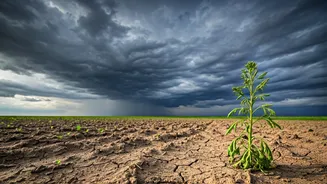
frequent and intense heatwaves, delayed or deficient monsoons, and unseasonal rains are no longer occasional disruptions; they are the new normal. This shift is forcing Fast-Moving Consumer Goods (FMCG) companies to move from being reactive to proactively strategic, embedding weather analytics deep into their business models. Climate change is now a direct variable in their profit and loss statements, influencing raw material costs, supply chain stability, and, most importantly, consumer behaviour.
The Heatwave Effect on Sales
The scorching heatwaves of recent years have provided a clear example of weather's direct impact on sales. During the April-June quarter of 2026, intense heat across the country led to a surge in demand for certain product categories, driving double-digit sales growth for many companies. Consumers naturally reached for products that offered relief and refreshment. Sales of beverages, ice creams, and other cooling food items soared. This predictable-in-hindsight surge has taught companies to prepare their inventory, distribution, and marketing for heatwaves, treating them not just as a weather event but as a significant commercial opportunity.
Riding the Monsoon Wave
While heatwaves create demand, the monsoon remains the most critical and complex weather event for the industry. A weak or erratic monsoon can severely dampen rural demand, which is a vital engine of growth for most FMCG firms. Companies like Marico and Godrej Consumer Products have openly flagged the risks of El Niño and its potential to disrupt the monsoon and, consequently, rural consumption. In response, companies are becoming more tactical. In regions expected to have poor rainfall, marketing efforts may pivot to focus on affordability, promoting smaller, lower-priced packs to accommodate squeezed household budgets. Conversely, in areas with good rainfall, they might push more premium products.
Adapting the Product Aisle
The most sophisticated response has been to innovate the products themselves. To de-risk from seasonal volatility, many firms are now creating 'all-season' offerings. For example, Dabur has started promoting its flagship health supplement, Chyawanprash, for all-season consumption beyond its traditional winter positioning. Similarly, Emami, known for its BoroPlus antiseptic cream for winter, has extended the brand into summer categories like aloe vera gels and prickly heat powders. This strategy aims to build brand resilience and ensure a steady stream of revenue, regardless of whether the winter is mild or the summer is delayed.
Data Is the New Umbrella
Underpinning this strategic shift is the power of data and technology. Guesswork is being replaced by sophisticated forecasting. Packaged food companies are leveraging data analytics and even artificial intelligence to predict regional demand based on weather patterns. This allows them to manage inventory more effectively, ensuring the right products are in the right place at the right time. This technological embrace extends to the very beginning of the supply chain. The Indian government and research institutions are using AI to provide farmers with highly accurate, long-range monsoon forecasts, sometimes delivered via SMS to millions. Better-informed farmers lead to a more stable agricultural output, which is the foundation of the entire packaged food industry.