



A New Alliance for Discovery
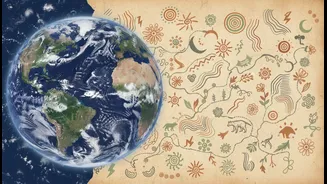
For centuries, modern science often dismissed traditional ecological knowledge (TEK) — the deep, cumulative understanding of the environment held by indigenous peoples and local communities. This knowledge, passed down through generations via stories,
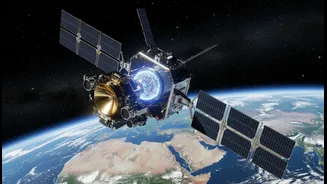
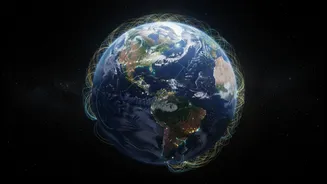
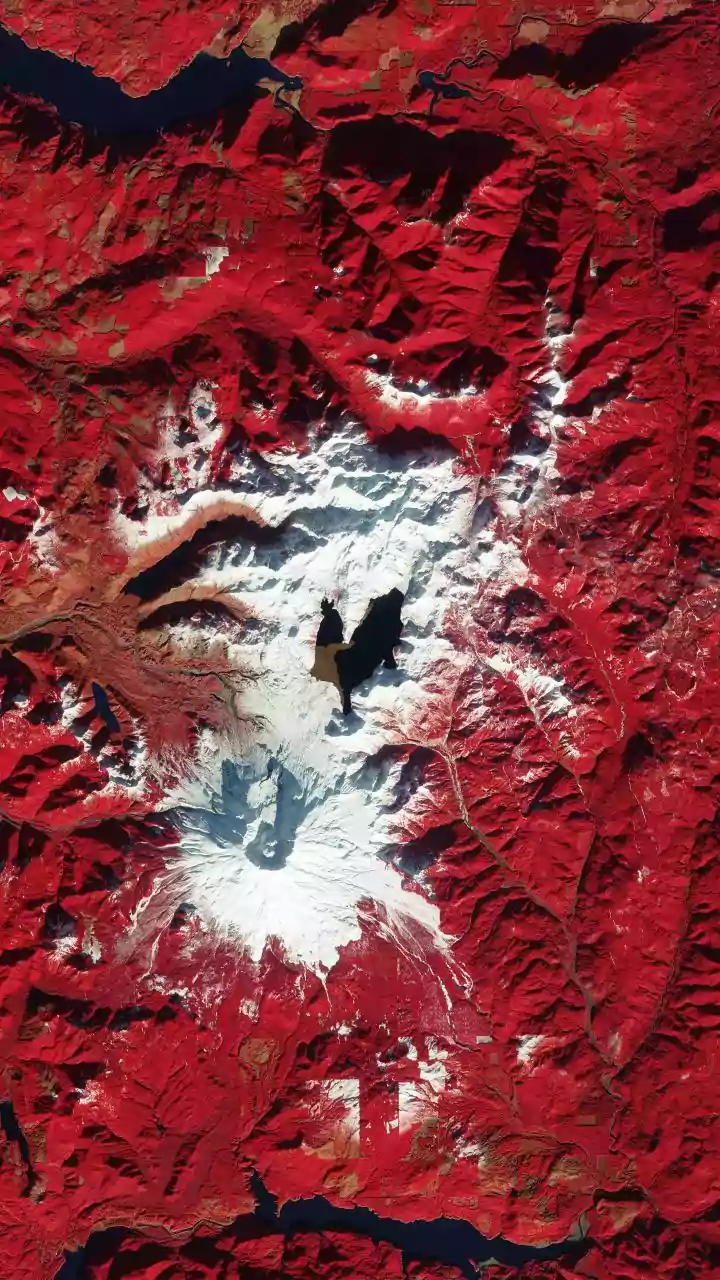
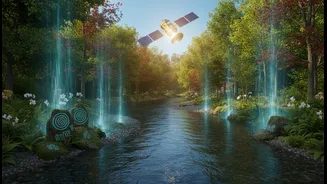
songs, and direct experience, is now being recognised as a vital resource. Space agencies like NASA and the Australian Space Agency are actively forming partnerships with indigenous communities. These collaborations are not just about goodwill; they are about achieving better science. By combining the macro-view of satellites with the micro-level, long-term observations of traditional knowledge, researchers are gaining a more complete and nuanced picture of our planet. This alliance is leading to breakthroughs in everything from climate change monitoring to disaster management.
Mapping Earth's Secrets from Orbit
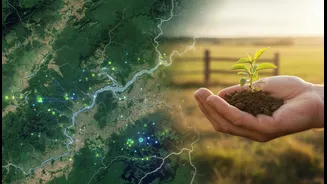
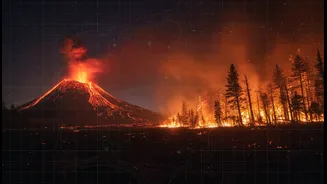
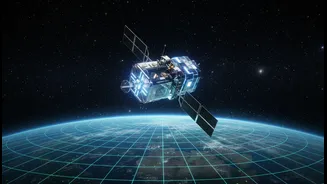
One of the most powerful applications of this synergy is in environmental management. In Australia, for example, traditional Aboriginal fire management techniques—using cool, controlled burns to prevent larger, more destructive wildfires—are being combined with satellite data. Satellites can monitor vast, remote landscapes to identify areas at high risk, while indigenous rangers on the ground provide the crucial expertise on when and how to burn safely, knowledge built over thousands of years. Similarly, NASA has partnered with the Navajo Nation to develop tools for monitoring drought, integrating satellite data on water resources with on-the-ground observations and needs of the community. In the Altai Mountains of Central Asia, researchers found a strong correlation between herders' perceptions of pasture quality and satellite-derived vegetation indices, proving that TEK can validate and enrich remote sensing data.
Ancient Skies, Modern Navigation
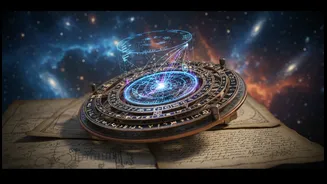
The connection between ancient knowledge and space isn't limited to looking down at Earth. It also involves looking up at the stars, just as our ancestors did. For millennia, Polynesian wayfinders navigated the vast Pacific Ocean without instruments, using a complex understanding of star patterns, ocean swells, and wind. This art, nearly lost, has seen a revival in recent decades with voyages on traditional canoes like the Hōkūleʻa, proving the profound accuracy of these non-instrumental techniques. Researchers now study these methods, recognising that this deep knowledge of celestial mechanics and environmental signs offers a different, yet equally valid, form of scientific understanding. In Australia, some Aboriginal songlines, which serve as oral maps for navigating the land, have been found to mirror star patterns in the sky, creating a celestial guide to earthly routes that amazingly align with modern highways.
A Resonant Idea in India
This global trend of blending ancient knowledge with modern science finds a powerful echo in India. The Indian Space Research Organisation (ISRO), a world-leading space agency, has also shown interest in exploring the country's vast scientific heritage. ISRO's chairman, S Somanath, has spoken about the rich scientific knowledge embedded in ancient Sanskrit texts, covering everything from astronomy and mathematics to metallurgy. While ISRO's primary focus remains on cutting-edge missions like Gaganyaan, the human spaceflight program, there is a growing recognition within Indian historical and scientific circles of the need to study and validate ancient technological traditions. From the sophisticated metallurgy and urban planning of the Indus Valley to the complex astronomical calculations in Vedic texts, India possesses a unique and deep well of traditional knowledge that could one day inform future scientific endeavours, mirroring the collaborations seen elsewhere in the world.