

Goa's Monsoon Makeover
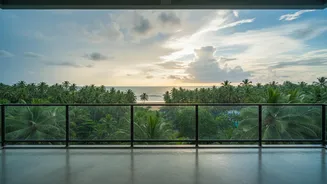
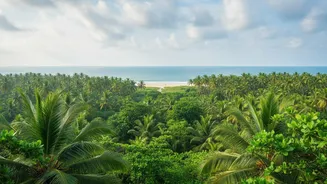
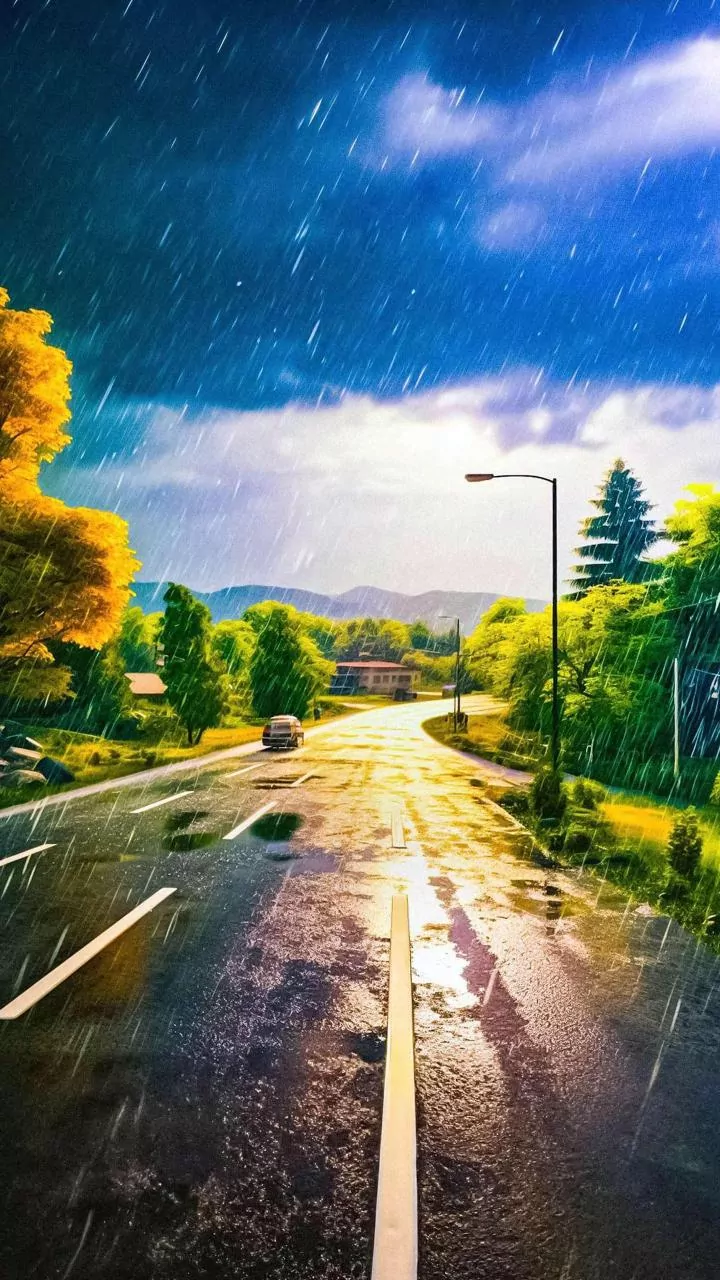
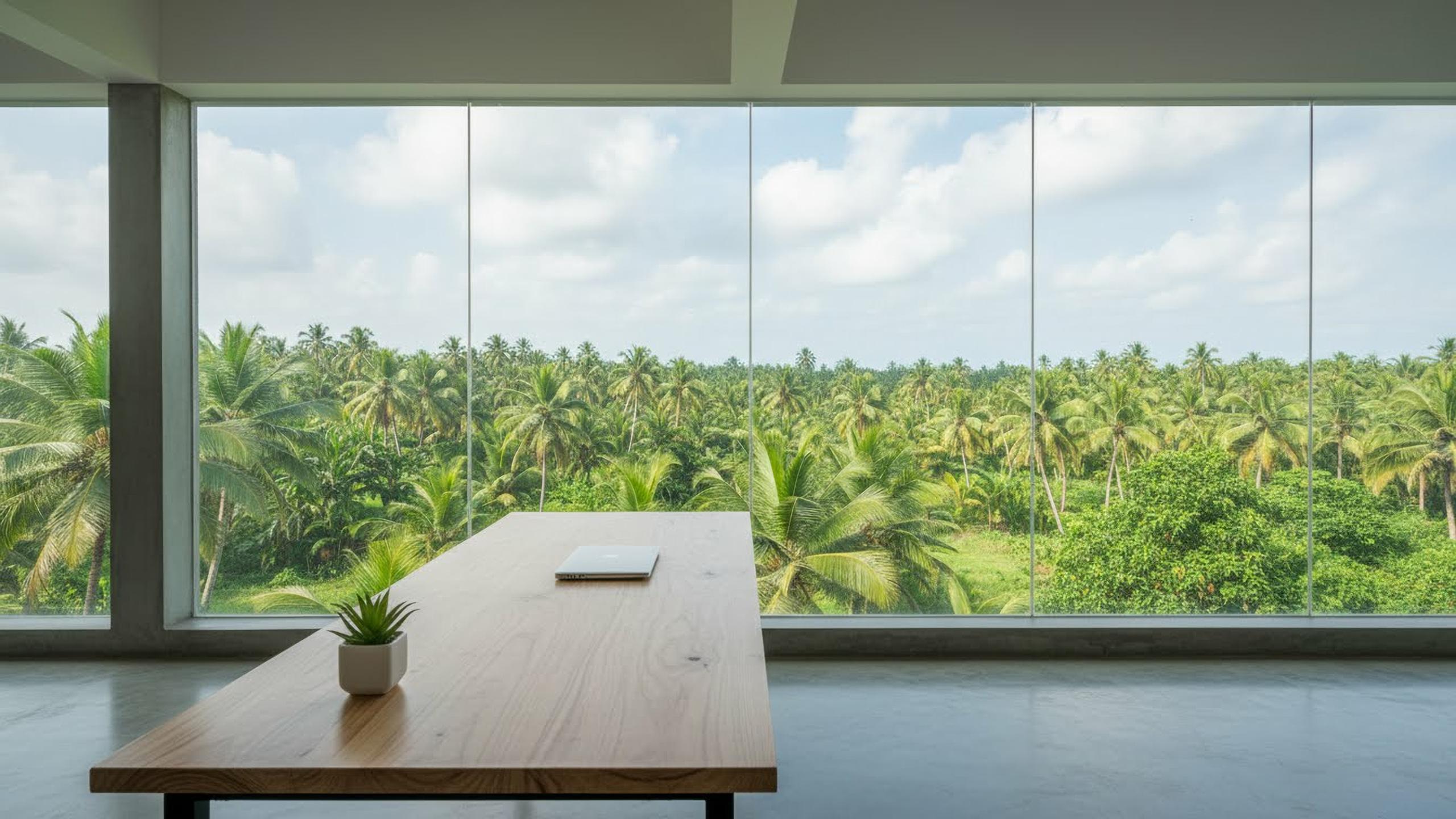
When the monsoon arrives in Goa, typically from June to September, a dramatic transformation occurs. The state sheds its peak-season crowds and dons a lush, emerald-green cloak. While many beach shacks and markets close, this period reveals a quieter,
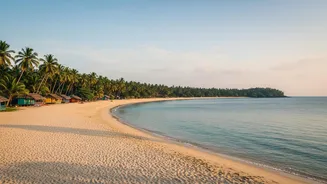
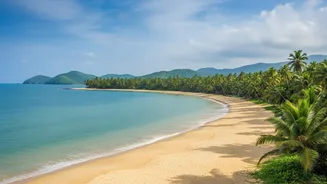
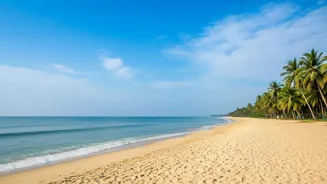
more authentic side of Goan life. For remote workers, this translates to fewer distractions, lower accommodation costs, and a chance to experience the region's natural beauty in its most vibrant form. The once-bustling beaches of South Goa become serene landscapes perfect for contemplative walks, and the countryside bursts with life, with waterfalls and rivers flowing abundantly. This peaceful, uncrowded environment is surprisingly conducive to focus and deep work.
The Rise of Remote Work Hubs
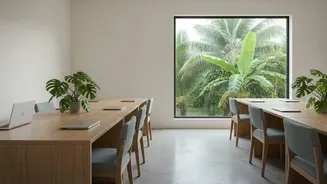
The key to a successful monsoon workation is reliable infrastructure, and this is where Palolem's hubs come in. These are not just cafes with spotty Wi-Fi; they are dedicated co-working spaces and co-living communities designed for digital nomads. Places like The Palm House and Kanvas Palolem offer high-speed internet with power backup, a critical feature as power cuts can be common during heavy rains. These hubs provide ergonomic workstations, meeting rooms, and a professional environment that separates work from leisure, helping to maintain productivity. They act as anchors for the remote work community, offering the stability needed to work effectively amidst the wild beauty of the Goan monsoon.
Connectivity and Community
One of the biggest concerns for any remote worker in Goa is internet stability, especially during the monsoon. The dedicated hubs in South Goa address this by offering professional-grade fibre optic connections and generator backups, ensuring work is not disrupted by weather. The Palm House, for example, advertises 300mbps Wi-Fi with inverter and generator support. Beyond just connectivity, these hubs foster a sense of community. Working remotely can be isolating, but spaces like Jungle by Sturmfrei in Palolem bring together freelancers, entrepreneurs, and remote employees from around the world, creating valuable networking opportunities and a built-in social life. This community aspect is a major draw for those looking to connect with like-minded individuals.
Life Beyond the Laptop
The appeal of a monsoon workation extends far beyond the desk. With fewer tourists, remote workers can immerse themselves in local life. The season is ideal for exploring the Western Ghats, with trekking to waterfalls like Dudhsagar and Netravali being popular weekend activities. Visiting spice plantations is another unique monsoon experience, as the rain heightens the aromatic atmosphere. While swimming in the rough seas is not advised, watching the dramatic storms roll in over the ocean is a spectacle in itself. The quieter roads are perfect for bike rides through lush paddy fields and quaint villages, offering a glimpse into a Goa that is often missed during the busy tourist season.
The Practical Side: Costs and Stays
The monsoon is considered the off-season, which brings significant financial advantages. The cost of flights and accommodation can drop substantially, with some luxury hotels and resorts in South Goa offering discounts of up to 50% or more. This makes long-term stays much more affordable. Remote workers can find everything from private rooms in co-living hostels to full apartments for monthly rentals at a fraction of the peak-season price. For a month-long workation in South Goa, costs can range from ₹35,000 to ₹70,000, depending on the level of comfort and proximity to the beach. This affordability, combined with the professional infrastructure of work hubs, makes South Goa an increasingly attractive and sustainable option for digital nomads.