





Why Shoulder Mobility Matters
Shoulder mobility isn't just for athletes; it's essential for everyday life. Good mobility allows you to perform simple tasks like reaching for a high shelf, carrying groceries, or putting on a jacket without pain or strain. A healthy shoulder joint,
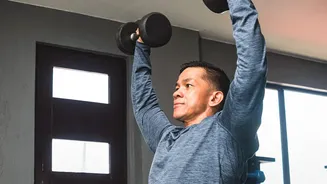
supported by a mobile upper back, can move through its full range of motion freely. This not only reduces daily stiffness and discomfort but also improves your posture, as tight shoulders often pull the upper body into a rounded position. Furthermore, maintaining shoulder health helps prevent compensation patterns that can lead to pain in the neck, back, and elbows. A consistent, short routine can build a strong foundation for all other upper body movements, making them safer and more effective.
The Pre-Movement Checklist
Before you begin any exercise, the most important check is to listen to your body. The goal is to move through a comfortable range of motion, not to force a deep stretch. Pay attention to the difference between a muscle feeling a gentle stretch and a sharp or pinching pain. Pain is a signal to stop immediately and potentially consult a professional. Check for compensation. A common mistake is arching the lower back or flaring the ribs to get your arms higher overhead. This indicates your shoulder's range is limited, and other parts of your body are taking over. Also, avoid shrugging your shoulders up toward your ears, which shows overactive upper shoulder muscles instead of the targeted stabilizing muscles. The key is controlled, quality movement over quantity or extreme range.
Movement 1: Wall Slides
Wall slides are excellent for improving shoulder blade control and strength. There are two common variations. For the first, stand with your back against a wall, with your feet about a foot away. Place your arms in a 'goalpost' position, with elbows and the backs of your hands ideally touching the wall. Slowly slide your arms up the wall, only going as high as you can without your lower back arching away from the surface. What to Check: Ensure your lower back and head stay in contact with the wall throughout the movement. If you can't keep your hands or elbows on the wall without pain or arching, simply perform the movement slightly in front of the wall. The goal is to feel the muscles in your upper back and shoulders working, not to force a position.
Movement 2: Thoracic Rotations
Your shoulder health is directly linked to the mobility of your upper back (thoracic spine). When your upper back is stiff, your shoulders and lower back often compensate, leading to strain. A simple way to improve this is with thoracic rotations. Lie on your side with your knees bent and stacked at a 90-degree angle, resting your head on a pillow. Extend both arms in front of you. Keeping your knees together, lift your top arm and sweep it up and over in an arc, following your hand with your eyes as your chest opens toward the ceiling. What to Check: The key is to isolate the rotation in your upper back. Make sure your hips stay stacked and don't roll back with you. Move slowly and breathe, going only as far as is comfortable. You should feel a stretch across your chest and upper back, not a strain in your lower back.
Movement 3: Arm Circles and Swings
Dynamic movements like arm circles and swings are a great way to warm up the shoulder joint and increase blood flow. Stand tall with your arms relaxed by your sides. Engage your core and begin to make small, controlled circles with your arms, gradually increasing the size of the circles as you feel more comfortable. Perform about 10-15 circles forward, then reverse the direction. You can also perform controlled arm swings, bringing your arms forward and up as high as you can without shrugging. What to Check: Keep the movement smooth and controlled, originating from the shoulder joint itself. Avoid using momentum by swinging your torso. If you feel any clicking or pinching, make the circles smaller. The goal is smooth, pain-free rotation.
Making It a Daily Habit
The power of a five-minute routine lies in its consistency. Because it's short and requires minimal or no equipment, it's easy to integrate into your day. Try performing these movements first thing in the morning to alleviate stiffness, or use them as a short break from long periods of sitting at a desk. You can also incorporate them as part of a warm-up before a workout. Just a few minutes each day can lead to noticeable improvements in flexibility, posture, and comfort within a few weeks. The focus should always be on mindful, controlled movement rather than rushing through the exercises.