


The Ancient Comfort: Malpua
Malpua is arguably India's oldest dessert, with its origins tracing back to the Vedic period where it was known as 'apupa'. [2, 10, 13, 14] Initially made with barley flour and dipped in honey, this simple pancake has evolved over millennia. [13, 14] Today,
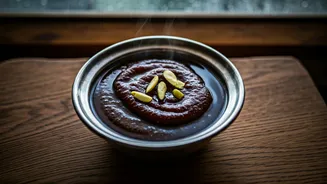
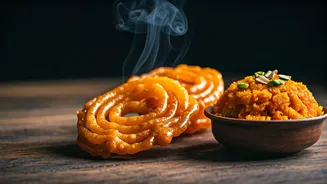
the batter is typically a mix of flour, semolina, milk, and fennel seeds, which is then fried in ghee until the edges are delightfully crisp and the centre remains soft and fluffy. [2, 17] After its golden-brown transformation, it's soaked in a fragrant sugar syrup. The beauty of Malpua lies in its rustic simplicity and its deep cultural roots. It's a staple during festivals like Holi, Diwali, and Ramadan across the country. [3, 13] In Odisha, a version called 'Amalu' is offered to Lord Jagannath at the Puri temple, highlighting its sacred significance. [2, 13] Whether plain or served with a dollop of creamy rabri, Malpua offers a comforting, chewy sweetness that feels both ancient and timeless.
The Royal Indulgence: Shahi Tukda
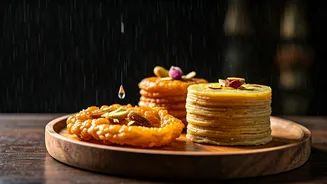
If Malpua is the ancient soul of Indian sweets, Shahi Tukda is its regal heart. Translating to 'royal piece', this dessert is a legacy of the Mughal era. [5, 6, 7] While its exact origin is debated, many believe it was brought to India in the 16th century or created by royal chefs as an ingenious way to use leftover bread. [4, 12, 15] Slices of bread are deep-fried in ghee until golden and crisp, then soaked in a sweet, saffron-infused sugar syrup. [5, 7] The final, decadent touch is a generous layer of thick, luscious rabri (sweetened condensed milk) and a garnish of pistachios and almonds. [7] Unlike Malpua's uniform texture, Shahi Tukda is a festival of contrasts: the crispiness of the fried bread, the soft, syrup-soaked interior, and the creamy richness of the rabri on top. [6] It’s an unapologetically opulent dessert, a staple at festive occasions like Eid and grand weddings, truly a dish fit for kings. [4, 5, 7]
The Monsoon Connection
But why do these two fried, sugary delights become so irresistible during the monsoon? Science offers a few clues. The drop in temperature and lack of sunlight during rainy weather can lead to a dip in our serotonin levels, the body's 'happy hormone'. [11, 19] This triggers cravings for comfort foods, particularly carbohydrates and calorie-dense snacks, as they provide a quick boost of energy and a sense of warmth and satiety. [11, 18, 19] There's also a sensory element at play; in the damp, soggy weather, our palates instinctively crave foods with a contrasting crunchy texture. [20] The combination of hot, sweet, and fried is a perfect antidote to the gloomy weather, providing not just physical warmth but also a deep sense of psychological comfort and nostalgia. [18]
A Delicious Truce: Why Choose?
The debate between Malpua and Shahi Tukda is less about competition and more about celebration. Pitting one against the other is like choosing between two different kinds of joy. Malpua, with its rustic charm and ancient history, connects you to tradition. It's the taste of generations of festivals, a simple pleasure that has endured for centuries. [13, 14] Its flavour is straightforward yet profound, with the subtle aroma of fennel cutting through the sweetness. Shahi Tukda, on the other hand, is an exercise in pure indulgence. [6, 7] It’s for evenings when you want to feel pampered, a dessert that announces itself with regal flair. Its complexity of textures—crisp, soft, and creamy—makes every bite an event. A rainy evening is the perfect excuse to declare a truce in this sweet war. The weather demands comfort, and both these desserts deliver it in their own unique, delicious ways.