

A Land of Steep and Unstable Slopes
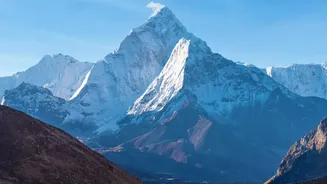
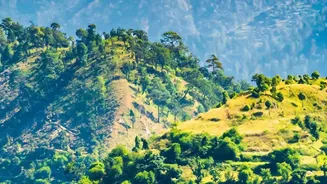
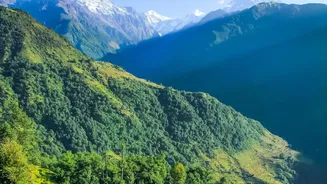
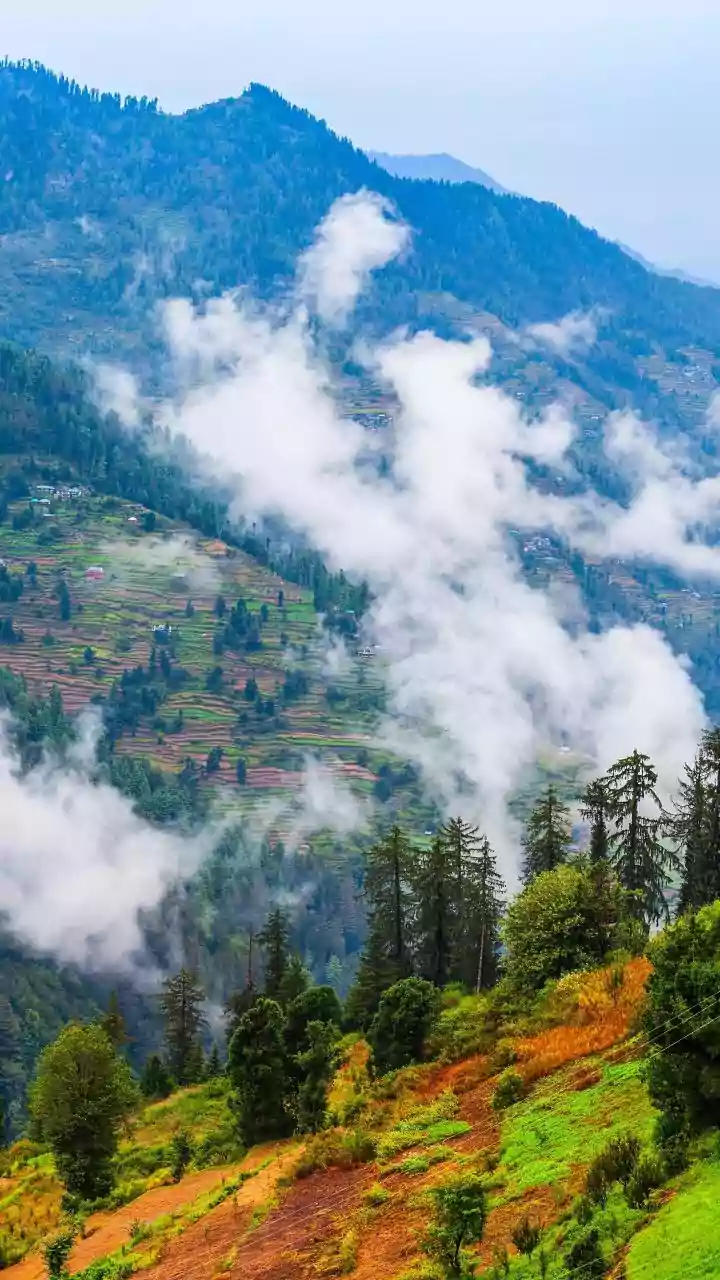
Nepal's geography is at the heart of its vulnerability. The Himalayas are the world's youngest and most geologically active mountain range. Formed by the ongoing collision of the Indian and Eurasian tectonic plates, the mountains are characterized by incredibly
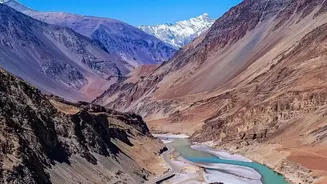
steep slopes, fractured rock, and fragile soil structures. This inherent instability means that much of the terrain is naturally prone to collapse. Unlike older, more weathered mountain ranges, the Himalayas are in a constant state of flux, making them a high-risk environment even before the monsoon rains begin. This natural fragility is a critical precondition for the disasters that follow.
The Power of Monsoon Rains
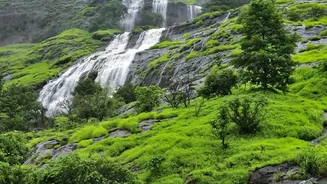
The monsoon season, which typically lasts from June to September, delivers about 80% of Nepal's total annual rainfall. When this immense volume of water meets the country's steep topography, it becomes a powerful agent of erosion and instability. The intense downpours rapidly saturate the soil and loose sediment on the hillsides. This saturation does two dangerous things: it dramatically increases the weight of the soil, and it reduces the friction that holds the material in place. Eventually, gravity takes over, and vast sections of the hillside can give way in an instant, creating a fast-moving and destructive landslide.
From Landslides to Devastating Flash Floods
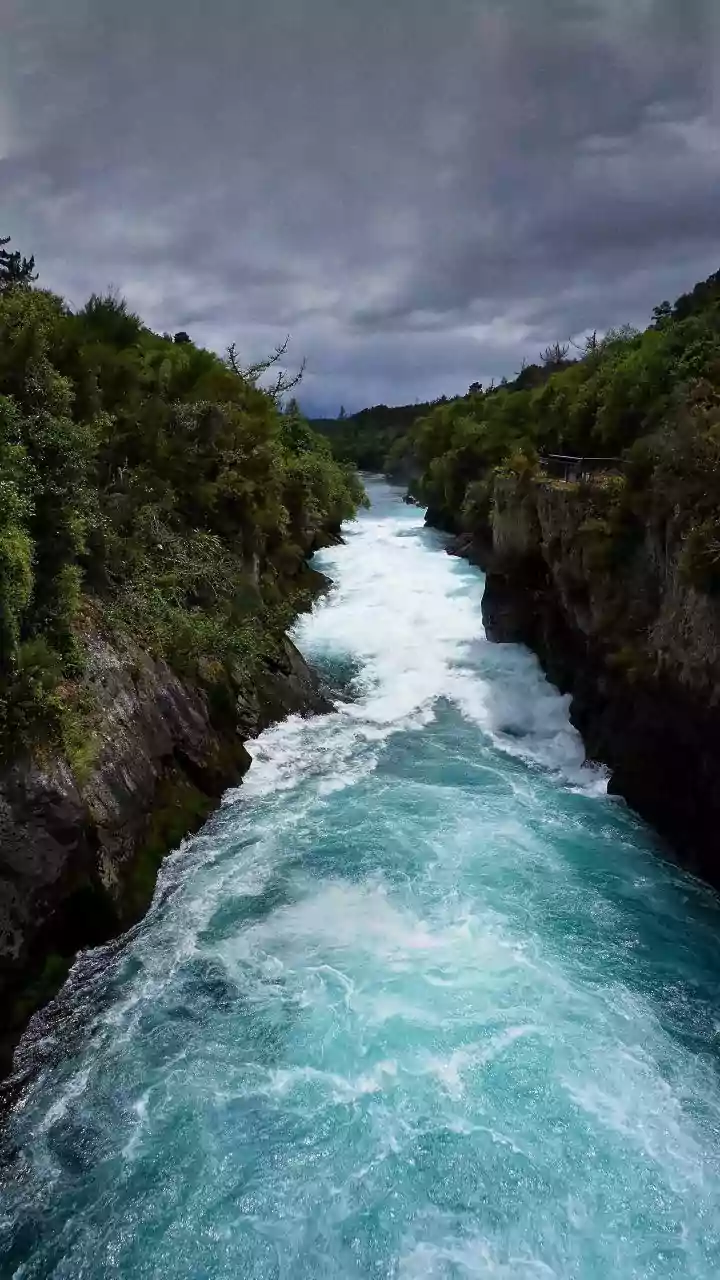
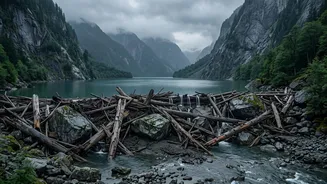
Landslides are often the primary trigger for some of the region's deadliest floods. When a massive landslide crashes into a river, it can form a temporary dam, blocking the natural flow of water. Behind this dam of soil and rock, a large lake can form. This dam is typically unstable and as the water level rises, the pressure builds until the dam bursts. This results in a glacial lake outburst flood (GLOF) or a landslide dam outburst flood, unleashing a sudden, high-velocity wall of water, mud, and debris that rushes downstream, destroying everything in its path with little to no warning.
The Human Factor and Unplanned Development
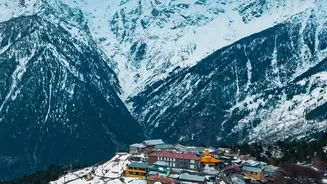
Natural factors are not the sole cause; human activity has significantly magnified the risks. Haphazard construction of roads, particularly in hilly areas, is a major contributor. These roads often cut into the base of unstable slopes, weakening them further and creating new pathways for landslides. Furthermore, rapid and unplanned urbanization leads to deforestation and construction on vulnerable floodplains and riverbanks, putting more people directly in harm's way. The encroachment on river channels narrows their capacity to handle excess water, exacerbating flooding in populated areas.
The Growing Threat of Climate Change
Climate change is making a dangerous situation even worse. Scientists have observed that the monsoon is becoming more erratic and intense. Instead of steady, distributed rainfall, the region is experiencing more extreme precipitation events—short, intense bursts of rain that the landscape cannot absorb. Rising temperatures are also accelerating the melting of Himalayan glaciers, increasing the volume of water in rivers and expanding glacial lakes, which heightens the risk of GLOFs. This combination of more intense rain and melting ice is amplifying the frequency and severity of climate-related disasters across the country.