





Start with the Obvious: Walls and Ceilings
Your first check should be inside. Scan your ceilings and walls, especially in corners and around window frames, for any signs of water intrusion. Look for damp patches, dark streaks, or yellowish-brown stains. Sometimes, the damage is more subtle, like
bubbling, peeling, or flaking paint, which indicates moisture has gotten behind the surface. If you press on the drywall and it feels soft or spongy, you have a significant moisture problem that needs immediate attention. A musty or earthy smell is another tell-tale sign that water has found its way in and mold could be starting to grow.
Check the Roof and Terrace
Your roof is the first line of defence. From the ground, use binoculars if needed, to look for any missing, cracked, or loose shingles or tiles. On your terrace or flat roof, the biggest enemy is standing water. Check that all drainage outlets are clear of leaves, dirt, and other debris that could cause blockages. Clogged gutters can cause water to overflow and run down your exterior walls or seep into the foundation. A quick sweep to clear any blockages can prevent major water damage.
Inspect Windows, Doors, and Balconies
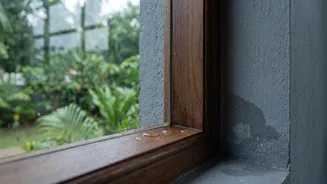
Heavy, wind-driven rain puts immense pressure on the seals around your windows and doors. Check the sills for any pooled water and inspect the frames and surrounding walls for dampness. Wooden doors and windows are prone to swelling in high humidity, which can make them difficult to close properly, compromising the seal. Ensure that any gaps in the seals or caulking are addressed, as these are common entry points for water. On balconies, make sure the drainage outlets are clear to prevent water from accumulating and seeping into the rooms.
Don't Forget Electrical Safety
Water and electricity are a dangerous mix. After a downpour, it's vital to check areas around switchboards, outlets, and light fixtures for any signs of dampness. If you spot any moisture near electrical fittings, it could indicate a leak traveling through concealed wiring conduits. Avoid touching any switches or appliances with wet hands. During thunderstorms or periods of heavy rain, it is wise to unplug non-essential electronics like TVs and computers to protect them from potential power surges caused by lightning. If you notice any flickering lights or sparking outlets, turn off the main power supply immediately and call a qualified electrician.
Look Low: Foundation and Basement
Water naturally flows downwards, making your basement and foundation vulnerable. After a heavy rain, do a thorough check of your basement or the lowest level of your home. Look for puddles, damp spots on the walls, or water seeping in where the floor meets the wall. Outside, walk around the perimeter of your house. If you see pools of water collecting near the foundation, it’s a sign of poor drainage that can lead to cracks and long-term structural damage over time. Ensure that downspouts are directing water several feet away from the house.
Watch for Unwanted Guests: Pest Control
Heavy rain floods the natural habitats of pests like cockroaches, ants, and rodents, forcing them to seek higher, drier ground—often inside your home. After a downpour, be extra vigilant about sealing entry points. Check for gaps around pipes, doors, and windows. Stagnant water is also a prime breeding ground for mosquitoes. Empty any water that has collected in outdoor pots, buckets, or other containers to prevent them from multiplying. Keeping your home dry and sealing food in airtight containers will make it less inviting for these displaced critters.