



Beyond the Carb-Heavy Myth
The reputation of Indian food is often unfairly reduced to rich, indulgent curries or an abundance of rice and bread. While these are part of the cuisine, daily home-style Indian cooking is a masterclass in balanced nutrition. Traditional meals are thoughtfully
constructed, combining proteins, carbohydrates, and vegetables. Spices like turmeric, cumin, and ginger are used not just for flavour but for their digestive and anti-inflammatory benefits. This balanced approach is the secret to why Indian food can be incredibly wholesome and energising, contrary to the belief that it is universally fatty or unhealthy.
The Power of Pulses and Legumes
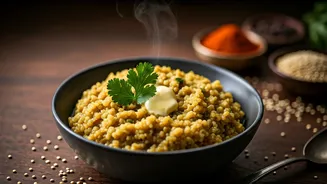
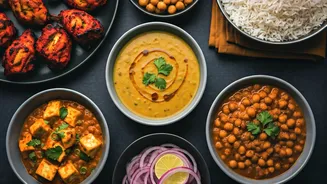
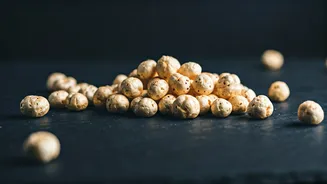
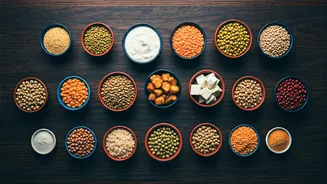
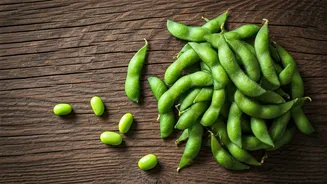
The backbone of protein in much of India, especially for vegetarians, is the incredible variety of dals (lentils) and legumes. Dishes like chana masala (chickpeas), rajma (kidney beans), and countless dal preparations are staples in households for a reason. They are inexpensive, easy to cook, and packed with plant-based protein, fibre, and essential minerals like iron and potassium. A simple bowl of moong dal can provide a significant portion of your daily protein needs while being light on the stomach. These ingredients are the foundation of countless one-pot meals and curries that are both satisfying and deeply nourishing.
Dairy, Paneer, and Eggs
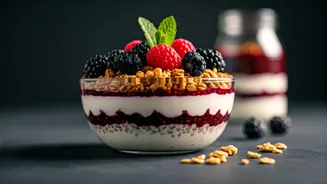
For non-vegetarians and vegetarians who consume dairy and eggs, Indian cuisine offers another layer of protein-rich choices. Paneer, or Indian cottage cheese, is a powerhouse of slow-digesting casein protein, making it incredibly filling. It's versatile enough to be scrambled into a quick paneer bhurji, grilled as tikka, or added to spinach for palak paneer. Similarly, eggs are a go-to for a fast, high-quality protein fix, with egg bhurji (spicy scrambled eggs) being a popular five-minute meal. Curd (yogurt) is another staple, often eaten as a side, in raitas, or used in marinades, adding both protein and probiotics to a meal.
Lean Meats and Modern Grains
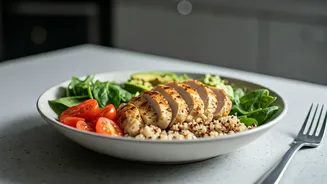
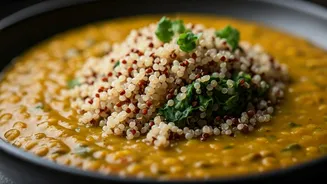
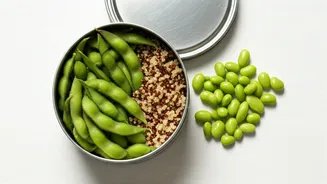
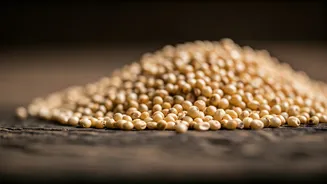
Non-vegetarian dishes are also integral to many regional Indian diets. Lean proteins like chicken are frequently used in tandoori preparations or simple home-style curries, offering a substantial protein boost. Grilled chicken tikka, marinated in yogurt and spices, is a classic example of a high-protein, low-carb meal. Fish is also prominent, especially in coastal regions. Beyond traditional sources, modern Indian kitchens have embraced nutrient-dense grains like quinoa and millets. These are often used to make healthier versions of familiar dishes like upma or pulao, adding another dimension of protein and fibre.
Designed for a Busy Lifestyle
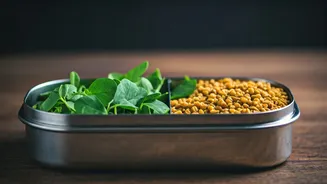
The phrase "built for real life" perfectly captures the practicality of Indian cooking. Many dishes are designed for efficiency. A pressure cooker can turn tough legumes into a soft, delicious dal in minutes. Savoury pancakes like moong dal chilla or besan chilla (made from chickpea flour) are quick to prepare and make for a fantastic breakfast or light dinner. The concept of batch cooking is also inherent, with many families preparing spice mixes or bases over the weekend to simplify weekday meals. Furthermore, dishes like chickpea salad (chana chaat) require minimal cooking and are perfect for a packed lunch, keeping you full and energised through the afternoon.