






The Monsoon's Final Act
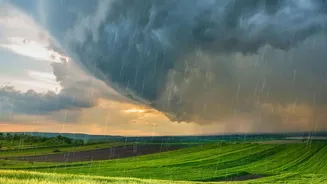
The four-month southwest monsoon season, which officially ends in September, is the lifeline of Indian agriculture. While the initial months are vital for the summer (Kharif) crops, the final spell in September plays a double role. It not only helps the late-sown
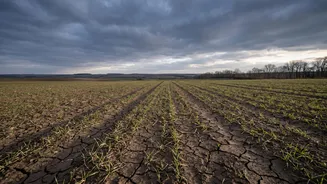
Kharif crops mature but, more importantly, it determines the initial conditions for the winter (Rabi) sowing season, which typically begins in October. The key factor is soil moisture. Adequate rainfall in September ensures the soil retains enough moisture for farmers to confidently plant Rabi crops like wheat, gram, and mustard without needing immediate irrigation. A dry September, on the other hand, can leave the soil parched, forcing farmers to either delay sowing or rely heavily on other water sources, which might already be under stress.
All Eyes on Reservoir Levels
Beyond replenishing the soil, September's rainfall is critical for filling India's vast network of reservoirs. These reservoirs are the primary source of irrigation for the Rabi season, especially in regions that receive little to no winter rainfall. According to data from the Central Water Commission as of mid-September 2026, the overall water storage in India's monitored reservoirs was below the normal level for this time of year. This situation is a cause for concern. While recent rains have led to some recovery, particularly in western and central regions, storage in the northern and southern regions remains sharply below normal. For instance, key reservoirs in North India that are crucial for the wheat belt ended the filling season with levels significantly lower than the previous year. This uneven distribution means that while some states may have adequate water for irrigation, others could face significant challenges.
What's at Stake for Key Rabi Crops
The conditions set in September have a direct bearing on India’s most important winter crops. Wheat, the cornerstone of the Rabi season, is heavily dependent on both initial soil moisture and subsequent irrigation from reservoirs. A deficit in either can impact the total area sown and the final yield. Similarly, oilseeds like mustard and pulses such as chana (gram) and masoor (lentil) are vital for the country's food basket and rely on favourable post-monsoon conditions. A weak end to the monsoon, influenced by factors like the strengthening El Niño, has raised concerns about the overall output. The India Meteorological Department (IMD) had earlier forecast below-normal rainfall for September, which could compound the existing deficits in many agricultural states. Farmers will be watching the weather patterns over the next few weeks very closely before making their final sowing decisions.
A Mixed and Anxious Picture
The national picture for the monsoon in 2026 has been a story of contrasts. After a concerning deficit in June, rainfall improved in subsequent months, but the distribution has been highly uneven. As of mid-September, the cumulative all-India rainfall remained below the long-period average. Some regions in central and eastern India have received good rains, bringing reservoir levels there to a comfortable position. However, major agricultural belts in the south and north are grappling with significant deficits, which could impact crop yields and potentially fuel food inflation. The IMD has forecast continued rainfall in several parts of the country in the latter half of September, which could provide some last-minute relief. However, with the monsoon's withdrawal expected to begin around September 19, the window for a significant recovery is closing fast.