




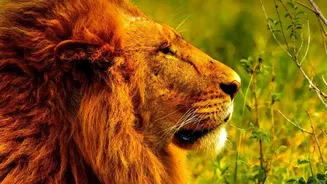
A New Home for the King
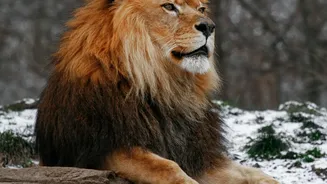
The Barda Wildlife Sanctuary is officially being developed as a second home for Asiatic lions, a crucial step in mitigating the risks of having the entire wild population concentrated in one area. This initiative, part of the government's 'Project Lion',
aims to create a genetically distinct and geographically separate population to safeguard the species from potential threats like disease outbreaks, which have proven devastating in the past. After an absence of nearly 144 years, lions are returning to Barda. The process began naturally in January 2023 when a male lion migrated from Gir on its own. This was followed by the introduction of five females by the Gujarat Forest Department to establish a breeding population. As of October 2026, the sanctuary is home to a growing pride of 17 lions, including several cubs.
An Insurance Policy Against Extinction
The need for a second home became alarmingly clear in 2018 when a Canine Distemper Virus outbreak killed nearly 30 lions in Gir within weeks. With all wild Asiatic lions descending from a small group and residing in a single landscape, they are highly vulnerable to such epidemics. Establishing a second, separate population in Barda, about 100 km west of Gir, acts as an essential insurance policy. Should a catastrophe strike one location, the other can ensure the species' survival. The 'Project Lion' framework identifies Barda as a critical satellite habitat, designed to build long-term resilience for India's iconic big cat.
Rugged Terrain, Rich Biodiversity
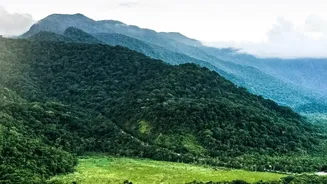
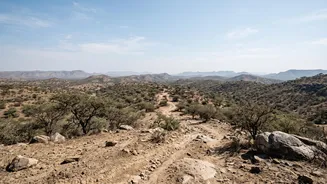
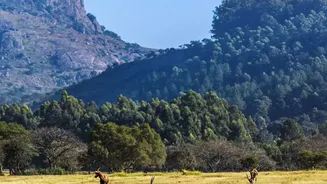
Spanning over 192 square kilometres across the Porbandar and Devbhumi Dwarka districts, Barda is a landscape of hilly, rugged terrain, forests, and grasslands. Historically a royal hunting ground, it was declared a sanctuary in 1979. Its ecosystem is remarkably diverse, boasting over 650 species of plants, many with medicinal properties. This rich flora supports a wide array of wildlife beyond lions. The sanctuary is also home to leopards, striped hyenas, jackals, nilgai, and wild boars. The hilly terrain also serves a crucial ecological function, acting as a natural barrier against salinity intrusion from the coast, thereby protecting agricultural lands in the region.
Preparing the Habitat
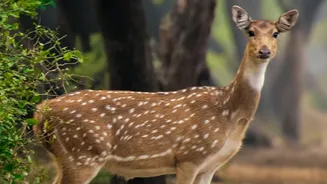
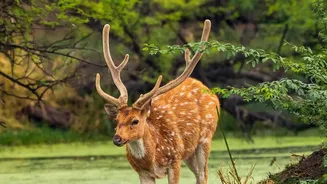
Making Barda a suitable home for lions has required significant ecological restoration. A key focus has been to build a robust prey base. To this end, hundreds of chitals (spotted deer) and sambar have been translocated from Gir and bred in captivity before being released into the sanctuary. Studies tracking the lions' diet show they have adapted well, primarily preying on wild pigs. Efforts are also underway to manage the habitat by removing invasive plant species and developing grasslands to support more herbivores. These measures ensure the sanctuary can sustain a healthy and growing lion population for the long term.
Coexistence with Local Communities
The Barda landscape is not just home to wildlife; it is also inhabited by several semi-nomadic pastoral communities, including the Maldharis, Rabaris, and Bharvads. Their coexistence with wildlife is a critical component of the conservation story. To reduce biotic pressure on the forest and ensure the safety of both humans and animals, the Gujarat government has initiated a voluntary relocation scheme. Announced in late 2026, the scheme offers a financial package to eligible families who choose to move outside the sanctuary, allowing them to access better infrastructure and opportunities while freeing up more space for wildlife to thrive.