






First, Find the Source
Before you can fix a damp wall, you must play detective. The moisture has to come from somewhere. Common culprits during the monsoon include cracks in the exterior walls, faulty plumbing, or leaky window and door frames. Sometimes, it’s not a leak at
all but condensation from high humidity in poorly ventilated rooms. Take a thorough look around your home, both inside and out, to pinpoint the source of the water ingress. Addressing the root cause is the only permanent solution; otherwise, you will just be treating the symptoms. Once you find the source, such as a crack or a leaky pipe, it's crucial to get it repaired by a professional.
Treating Affected Walls
Once the source of the moisture is fixed, you can deal with the visible damage. Start by scraping off any peeling paint or blistered plaster from the affected area using a stiff wire brush. This removes the damaged layers and prepares the surface for treatment. To kill any lingering mould or mildew spores, clean the wall with a solution of vinegar and water or a mild bleach solution. Ensure the room is well-ventilated while you do this. After the wall is completely dry, apply a coat of waterproof sealant. This creates a new barrier against moisture. Following this, you can apply a fresh coat of waterproof or antifungal paint to restore your wall's appearance and add another layer of protection.
Banishing Musty Odours
That distinct 'monsoon smell' comes from mould and mildew thriving in the damp environment. The key to eliminating it is controlling the humidity. Proper ventilation is your first line of defence. Beyond that, several natural and effective odour absorbers can help. Place bowls of rock salt, baking soda, or activated charcoal in damp corners, cupboards, and bathrooms; these substances are excellent at absorbing excess moisture and smells from the air. For a pleasant fragrance, consider using natural air fresheners. Burning camphor for a short while, placing neem leaves in wardrobes, or leaving a bowl of used coffee grounds can help mask and neutralise musty odours effectively.
The Power of Air and Light
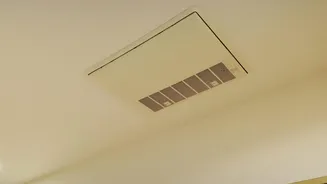
Never underestimate the power of good old-fashioned air circulation. Even on overcast days, opening windows and doors for at least 30 minutes to an hour can drastically reduce indoor humidity levels. Creating cross-ventilation by opening windows on opposite sides of the house is especially effective. If you have exhaust fans in your kitchen and bathrooms, use them regularly to pull moist air out. Sunlight is a natural disinfectant, so whenever the sun makes an appearance, pull back the curtains and let the light stream in. It helps to dry out damp spots and can kill mould spores.
Consider a Dehumidifier
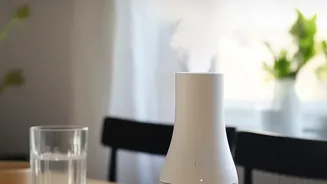
For homes in extremely humid areas or rooms that are persistently damp, investing in an electric dehumidifier can be a game-changer. These appliances work by pulling moisture from the air, helping to maintain a comfortable and less hospitable environment for mould and mildew. They are particularly useful for basements, bathrooms, and bedrooms where ventilation might be limited. While it's an investment, a dehumidifier can protect your walls, furniture, and health from the long-term effects of excessive dampness.
Protecting Your Wardrobe and Furniture
Dampness doesn't just affect walls; it seeps into everything. Protect your clothes and wooden furniture from getting that musty smell and feel. Place moisture-absorbing silica gel pouches or camphor balls in your closets and drawers. Avoid packing clothes too tightly to allow some air to circulate. It’s also wise to keep wooden furniture a few inches away from walls, especially external ones, to prevent moisture from being trapped behind them. Regularly wiping down wooden surfaces with a dry cloth can also help prevent any mould from taking hold.