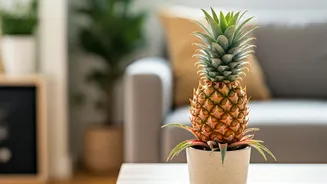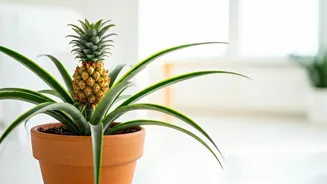





What Exactly Is An Ornamental Pineapple?
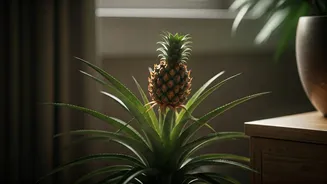
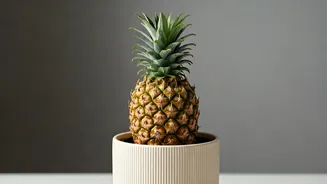
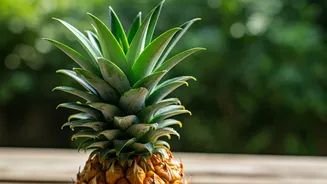
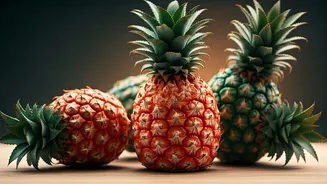
At first glance, it looks like a miniature version of the fruit you’d find in a grocery store, perched atop a fountain of spiky leaves. And that’s precisely what it is. Ornamental pineapples, often of the Ananas comosus 'Champaca' variety, are true pineapples bred
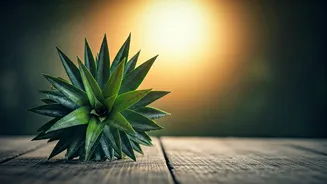
specifically for their looks rather than their fruit. They belong to the Bromeliad family, making them relatives of Spanish moss and other air plants. These plants are designed to be compact, with striking foliage that can range from grey-green to pink-tinged, and a single, small, often reddish-pink fruit that serves as the crown jewel. The entire plant is a sculptural piece of nature, bringing an exotic, tropical vibe indoors.
A Symbol of Welcome, Miniaturised
The pineapple has a long and storied history as a symbol of hospitality. When the fruit was first introduced to Europe and colonial America from the Caribbean, it was incredibly rare and expensive. Its scarcity meant that procuring one for a feast was the ultimate sign of a host’s wealth and generosity. Sea captains returning from their voyages would sometimes place a pineapple outside their homes to signal their safe return and invite visitors. Over time, the image of the pineapple became a common motif in architecture and decor, signifying a warm welcome. The ornamental pineapple continues this charming tradition, offering a modern, manageable way to express that same spirit of friendship and hospitality in your own home.
The Big Question: Can You Eat It?
This is almost always the first question asked upon seeing one. The technical answer is yes, ornamental pineapples are not poisonous and are therefore edible. However, they are not cultivated for flavour. Unlike their large, sweet supermarket cousins, the fruit of an ornamental pineapple is often very small, fibrous, and can be quite tart or acidic. While some have tried it and found it palatable, the general consensus is that its primary value is decorative. Think of it less as a snack and more as a long-lasting, living flower arrangement that happens to look like a fruit.
Bringing the Cheer Home: Care Tips
Despite their exotic appearance, ornamental pineapples are surprisingly easy to care for, making them an excellent choice for beginner and seasoned plant parents alike. They thrive in bright, direct sunlight—a sunny window is a perfect spot. Being a type of bromeliad, they have a central cup or rosette formed by their leaves. You should water the plant by filling this cup, and also by watering the soil, allowing it to dry out between waterings to prevent root rot. They appreciate humidity but are quite resilient. One fascinating aspect of their life cycle is that the main plant will begin to die back after it has finished fruiting. But don't despair! Before it does, it will produce offshoots, known as “pups,” around its base, which can be repotted to start the next generation of cheerful pineapples.
Decorating with a Dash of Whimsy
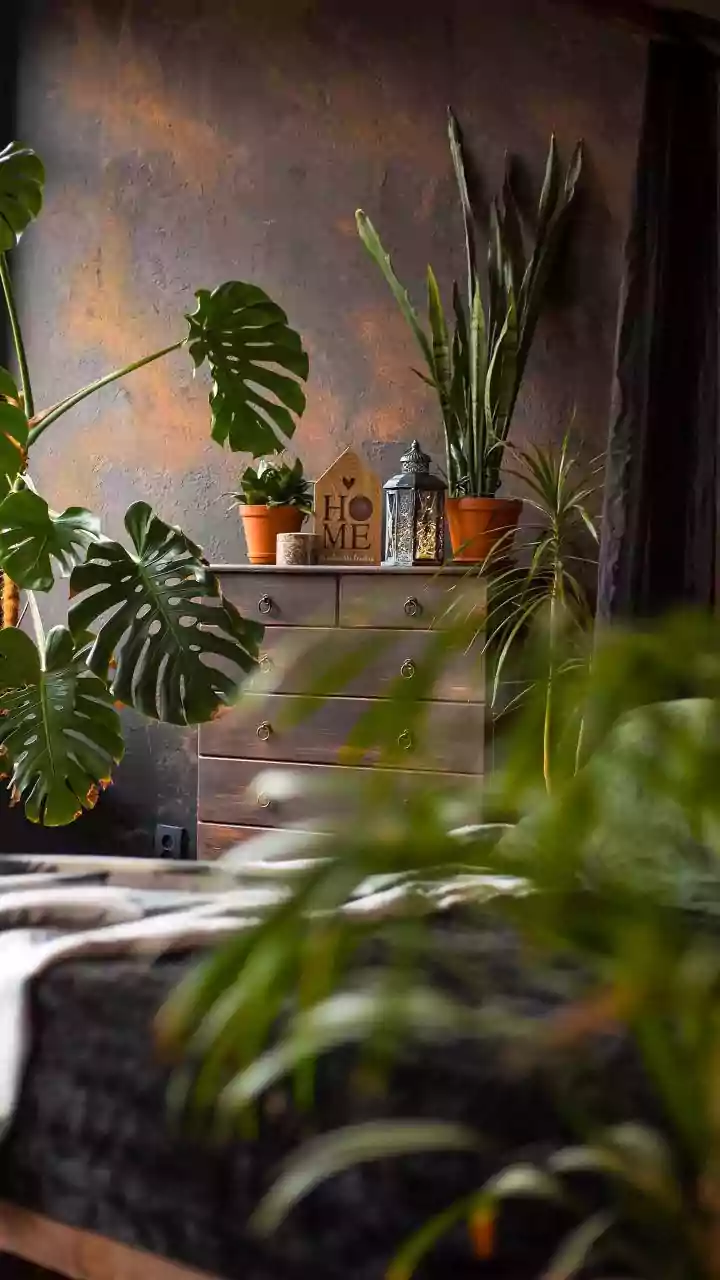
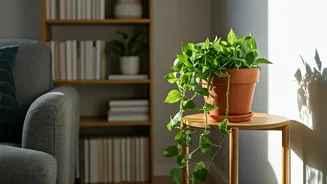
The unique look of the ornamental pineapple makes it a versatile and fun decorative element. Its compact size allows it to fit almost anywhere you need a pop of life and colour. Place one on a kitchen counter to add to a tropical, foodie theme. It can be a quirky and unexpected centrepiece for a summer dinner party table, instantly sparking conversation. In a home office, it can sit on a desk or bookshelf, providing a cheerful and organic shape to contrast with the straight lines of technology. The spiky leaves and brightly coloured fruit provide texture and a focal point, making any space feel a little more playful and welcoming.