

The Allure of the Local Mela
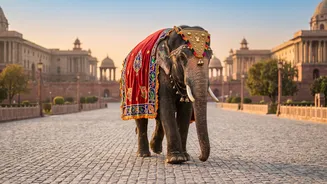
While the illuminated palaces of Mysuru and the massive Ravan Dahan events in Delhi are iconic, there is a growing appreciation for the charm of local Dussehra melas. These fairs, often set up in town squares or open grounds, are the heartbeat of community
celebration. Here, the festival is not just a spectacle to be watched but an experience to be lived. The air is thick with the smell of sizzling jalebis and spicy chaat, and the sounds are of folk music and community chatter, not just grand announcements. For travellers, this provides a direct connection to the cultural roots of the festival, which celebrates the victory of good over evil. It’s an opportunity to witness traditions that have been passed down for generations, far from the commercial polish of major tourist hubs.
The Immersive Ramlilas of the North
Across North India, especially in the smaller towns of Uttar Pradesh, Dussehra is synonymous with Ramlila—a dramatic folk re-enactment of the life of Lord Rama. While Varanasi hosts the famous, month-long Ramnagar Ramlila, which transforms the entire town into a massive stage, countless other towns have their own beloved versions. In these local productions, the actors are often community members, and the performances are staged on makeshift platforms, creating a raw and heartfelt experience. These events are community gatherings, with food stalls and local artisans selling their wares, offering a slice of authentic rural life alongside the epic tale. In places like Kanpur and Almora, the focus is on community participation, making it a powerful way to see the Ramayana's story unfold as a living tradition.
Kullu's Gathering of Deities
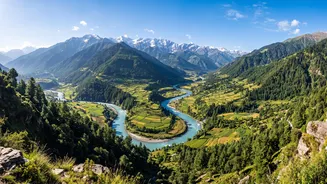
Kullu Dussehra in Himachal Pradesh is famous, but its true magic lies beyond the main fair. The festival here begins on Vijayadashami, when celebrations in the rest of the country are ending, and continues for a week. The main event is the gathering of over 200 local deities from surrounding villages, who are carried down the mountains in ornate palanquins to pay homage to Lord Raghunath at Dhalpur Maidan. This procession is a sight to behold, a river of colour, music, and devotion that is unique to the region. The fair itself is a bustling hub of Himachali culture, where you can find traditional woollen crafts, taste local dishes like siddu, and witness the energetic Nati folk dance performed by large groups.
Bastar's Unique 75-Day Festival
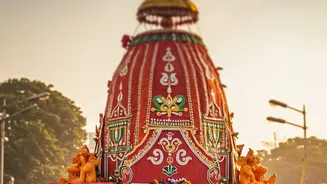
For a truly offbeat experience, the Bastar region of Chhattisgarh offers a Dussehra celebration unlike any other in India. Lasting an astonishing 75 days, this festival is not about Rama or Ravana. Instead, it honours the local presiding deity, Devi Danteshwari, and is a rich blend of tribal customs and royal traditions that are over 500 years old. The rituals are unique, including the worship of wood to build a chariot ('pata jatra') and a ceremony where a young girl on a swing of thorns gives her blessing for the festival to proceed ('kachan gadi'). Travellers here can witness ancient rites, spectacular chariot processions pulled by devotees, and the 'Muria Durbar', a conference of tribal chieftains, offering a deep dive into the region's indigenous culture.
Beyond the Effigy in the South
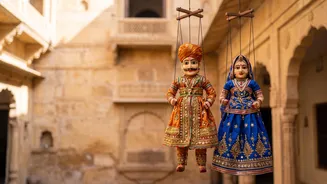
In South India, many Dussehra traditions move away from the Ramlila narrative entirely. In Tamil Nadu, the festival is celebrated as part of Navratri, with homes displaying intricate doll arrangements known as 'Golu' or 'Bommai Kolu'. It's a time for community, where women visit each other's homes to see the displays and exchange gifts. Another unique tradition is in Kulasekarapattinam, where devotees at the Mutharamman Temple dress up as gods, goddesses, and mythical figures, creating a vibrant, carnival-like atmosphere. In Karnataka, Madikeri's Dasara is a more community-focused affair than the royal spectacle in nearby Mysuru, featuring folk dances and processions of mythological floats.