





What the New Analysis Reveals
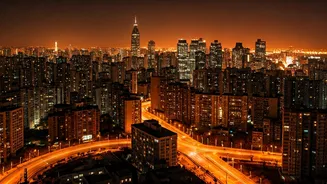
Recent research, including a significant study from the University of East Anglia, paints a concerning picture for India's cities. The analysis, covering numerous medium-sized cities, found that urban areas are warming significantly faster than their
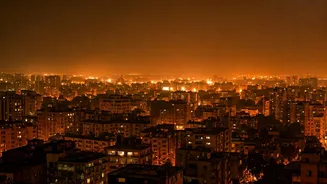
surrounding rural hinterlands. In India, cities were found to warm about 45% more than nearby rural regions. This phenomenon, known as the Urban Heat Island (UHI) effect, means that global climate models may be drastically underestimating the actual heat exposure for city dwellers. For example, a projected 2°C regional warming could translate to a much higher 2.6-2.7°C or even 4°C increase within a city like Patiala. Nighttime temperatures in metropolises like Delhi, Mumbai, and Bengaluru can already be 3°C to 5°C warmer than rural zones, preventing the human body from cooling down and recovering from daytime heat. This isn't just a marginal temperature bump; it represents a fundamental shift in our urban climate, with profound consequences.
The Concrete Jungle's Fever
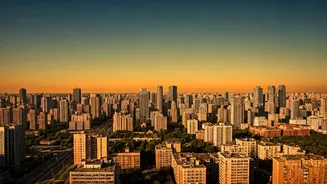
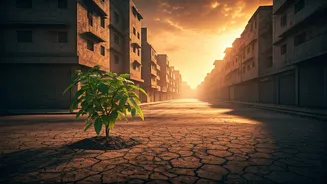
Why are our cities turning into furnaces? The primary culprit is the very fabric of urban life. Concrete, asphalt, and other building materials that dominate our cityscapes absorb and retain far more solar radiation than natural landscapes. Rapid, often unplanned, urbanisation has led to a massive loss of green cover and water bodies, which act as natural air conditioners. In Delhi, for instance, tree cover has reportedly declined significantly in the last decade. This loss of vegetation eliminates the cooling effects of shade and evapotranspiration. Compounding the problem is the waste heat generated by human activity itself—from vehicles, industrial processes, and the millions of air conditioning units working overtime to combat the rising temperatures. This creates a dangerous feedback loop where our attempts to cool our immediate indoor environment contribute to warming the outdoor urban environment even further, straining power grids and increasing emissions.
The Human Cost of Hotter Cities
The impacts of intensifying urban heat are not just about discomfort; they are a matter of public health and economic stability. Heat stress is a serious medical issue, increasing the risk of dehydration, heatstroke, and cardiovascular and respiratory problems. Vulnerable populations, including outdoor workers, residents of informal settlements, the elderly, and children, are at the highest risk. Studies have already linked heatwaves in Indian cities to significant spikes in mortality rates. Beyond the immediate health crises, chronic heat exposure impacts productivity. Some estimates warn that India's GDP could decline by up to 4.5 per cent by 2030 due to heat-related productivity losses. The constant heat also strains public infrastructure, particularly the energy grid, which faces record-breaking demand for cooling, leading to a higher risk of blackouts during the most extreme heat events.
Cooling Our Urban Future
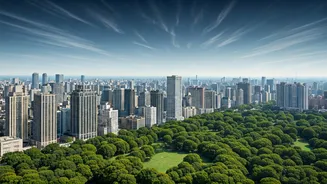
The challenge of urban heat is immense, but it is not insurmountable. Cities are beginning to explore and implement innovative solutions. A key strategy is the expansion of 'blue-green infrastructure'—networks of parks, urban forests, green roofs, and restored water bodies like lakes and ponds. Global analyses show that such nature-based solutions can lower local temperatures by 2–5°C. Simple additions, like increasing a neighbourhood's tree cover by just 5%, can reduce temperatures by 1°C. Another promising approach involves building-level interventions. 'Cool roofs', created using reflective paints or materials, can lower indoor temperatures by several degrees. Cities like Ahmedabad have already pioneered Heat Action Plans, which combine early warning systems with public awareness campaigns and support for vulnerable groups. These strategies show that a combination of smart urban planning, nature-based solutions, and community-focused policies can help mitigate the worst effects of the urban heat island effect.