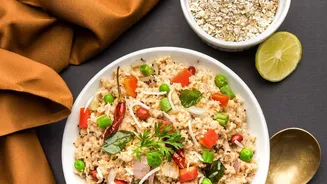






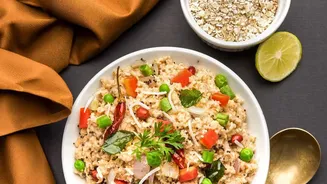
Adai, the protein-packed lentil and rice pancake from South India, is a beloved classic. But what if you could make it even healthier and more flavourful? By adding oats and a colourful array of vegetables, you can elevate this staple into a complete
meal.
The Classic Adai, Reimagined
Traditionally, adai is a savoury pancake made from a coarse batter of soaked rice and mixed lentils, such as toor dal, chana dal, and urad dal. It's spiced with red chillies, asafoetida, and sometimes ginger, and is known for being thicker and more protein-rich than a regular dosa. While delicious on its own, often served with jaggery or avial (a mixed vegetable curry), the batter is a perfect canvas for nutritional upgrades. This modern twist focuses on two key additions: oats for fibre and a medley of vegetables for vitamins and texture.
Why Add Oats?
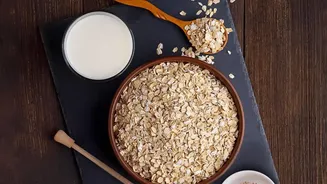
Incorporating oats into the adai batter is a simple way to boost its health quotient significantly. Oats are a powerhouse of nutrients, including soluble fibre, particularly beta-glucan, which is known for helping to lower cholesterol and regulate blood sugar. They are also rich in minerals like magnesium and zinc. In an adai, replacing some or all of the rice with powdered oats not only makes the dish more fibre-rich but also results in a softer, lighter texture. This simple swap makes the adai more filling, aiding in weight management and keeping you energised for longer.
Choosing Your Vegetables
The beauty of vegetable adai lies in its versatility. You can use almost any vegetable you have on hand. Finely chopped pearl onions (sambar onions) and curry leaves are classic additions that provide a foundational flavour. Beyond that, popular choices include grated carrots, finely chopped spinach, cabbage, and capsicum. For a different flavour profile, consider adding grated beetroot, zucchini, or even crumbled paneer for an extra protein punch. Green leafy vegetables like drumstick leaves (murungai keerai) or dill leaves are also excellent, nutritious options.
How to Prepare and Add Vegetables
There are a few ways to incorporate vegetables into your adai batter, depending on your preference and who you're cooking for. The most common method is to finely chop or grate the vegetables and mix them directly into the prepared batter just before cooking. This adds a pleasant crunch and colour to the adai. For heartier vegetables like beans or corn, you can lightly sauté them before adding them to the mix. If you're trying to sneak vegetables into a child's meal, another great technique is to purée them (like spinach or beetroot) and blend them into the batter itself, which colours the adai beautifully without altering the texture much.
A Simple Oats and Vegetable Adai Recipe
To make the batter, start by soaking a mix of dals (1/4 cup each of toor dal, chana dal, and moong dal) for about three hours. Grind the soaked dals with a few dried red chillies, a pinch of asafoetida, and salt to a coarse paste. To this, add one cup of powdered oats and mix well, adding water as needed to achieve a thick, pourable consistency similar to dosa batter. Let this batter rest for at least 30 minutes. Just before you're ready to cook, stir in your choice of finely chopped vegetables—about one cup in total. A mix of onion, carrot, and coriander leaves works wonderfully. Heat a tawa or griddle, pour a ladleful of batter, and spread it into a slightly thick circle. Drizzle with oil and cook on both sides until golden brown and crisp.
Serving and Storing
Oats vegetable adai is best served hot, straight off the tawa, to enjoy its crispy texture. It pairs wonderfully with coconut chutney, tomato chutney, or a simple side of jaggery and ghee. Because it’s already packed with vegetables, it can easily be a standalone meal. Leftover batter can be stored in the refrigerator for up to two days. For the best results, add the chopped vegetables fresh to the portion of batter you intend to use each time, as this helps maintain their texture and prevents the batter from becoming too watery.