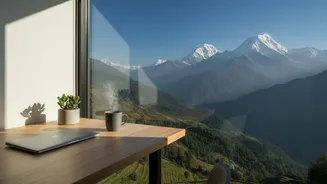


The New Mountain Office
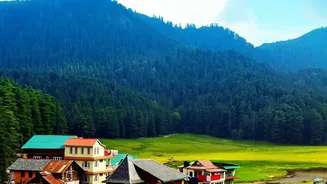
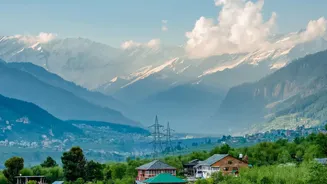
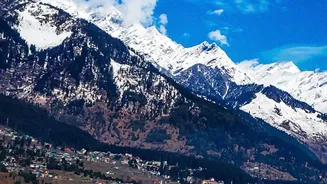
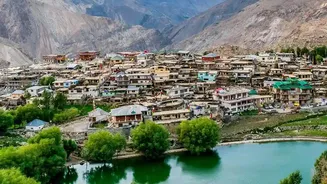
Gone are the days when Himachal was just a holiday destination. Towns like Dharamshala, Manali, and Bir have evolved into vibrant epicentres for remote work. The epicentre of this movement is arguably Dharamkot, a small village above McLeod Ganj, now
considered India's most established digital nomad enclave. It, along with hubs in Old Manali, Vashisht, and the quieter Tirthan Valley, offers the perfect blend: crisp mountain air, a low cost of living, and a community of like-minded creators, developers, and entrepreneurs. These aren't just scenic spots; they are functional workspaces, increasingly equipped with the infrastructure needed to meet deadlines while surrounded by deodar forests.
Getting Connected and Staying Powered
The number one question for any aspiring mountain freelancer is about connectivity, and the answer in 2026 is reassuring. Major towns now have reliable fibre broadband from providers like Jio and Airtel, with speeds in many co-working spaces and cafes hitting 100-200 Mbps — more than enough for video calls and large file transfers. Co-working and co-living spaces like AltSpace, The Void, and NomadGao have become staples, offering not just high-speed internet but also crucial power backup. Power cuts, especially during monsoon season, are a reality of mountain life, making an inverter or generator a non-negotiable amenity. The pro-tip from seasoned nomads: always ask for a recent speed-test screenshot from your potential homestay and carry a dual-SIM setup (Jio and Airtel) as a reliable mobile hotspot backup.
Crafting the Work-Adventure Routine
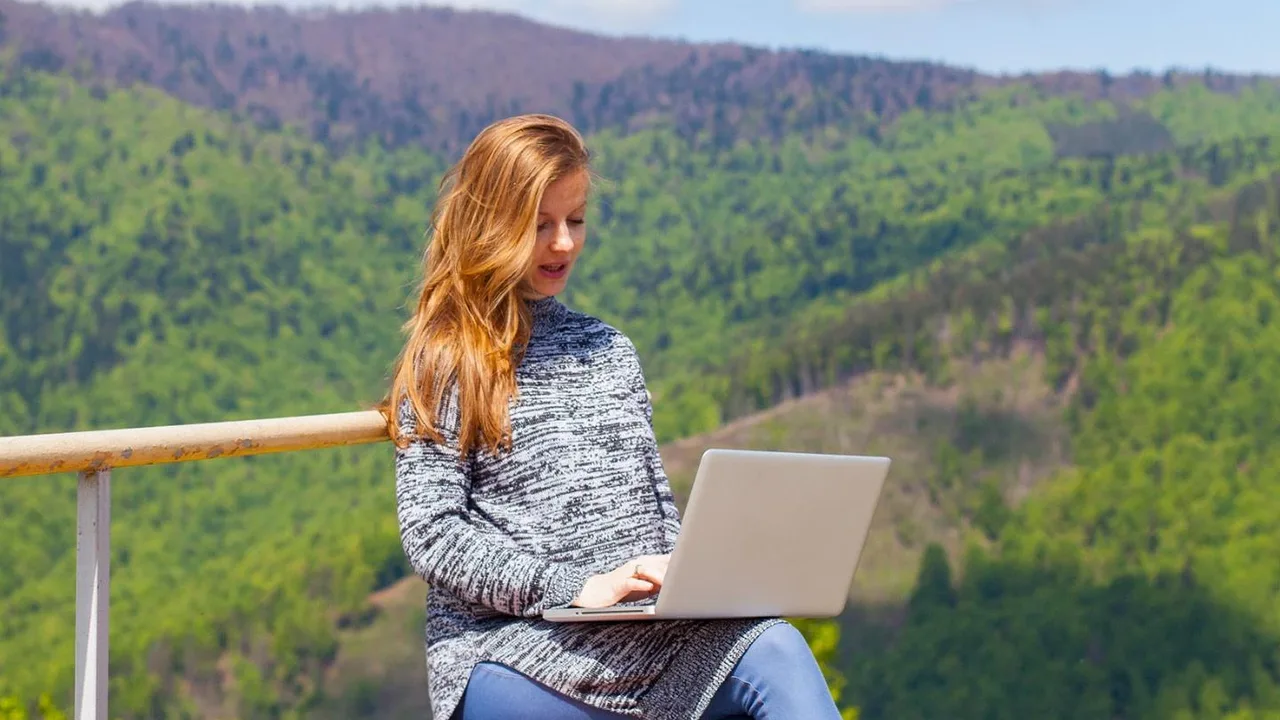
The key to a successful workation is discipline. Without the structure of a traditional office, it's easy for the lines between work and leisure to blur. Successful freelancers adopt a structured approach. Many follow a 'mornings for work, afternoons for exploring' schedule. They block out their most productive hours for deep work, ensuring deadlines are met before they even think about a hike. This leaves evenings free for a walk to a local cafe, a stroll through the market, or simply enjoying the sunset. Weekends are then dedicated to bigger adventures, like the popular Triund trek near Dharamshala or paragliding in Bir Billing. This rhythm prevents burnout and ensures that the very reason you moved to the mountains — the adventure — remains an accessible and regular part of your life.
The Economics of the Freelance Dream
One of the most compelling reasons for relocating to Himachal is the affordable cost of living. Compared to metro cities like Bengaluru or Mumbai, the financial barrier to entry is significantly lower. A solo freelancer can live comfortably for approximately ₹25,000–₹40,000 per month. A one-bedroom apartment with included Wi-Fi and electricity in Manali can be found for around ₹14,000. In areas like Dharamkot, a room with a kitchen might range from ₹12,000 to ₹15,000 due to high demand. Groceries for one person can be budgeted at around ₹3,500 per month, especially if you prefer home-cooked meals. With transport costs being minimal (most nomads walk), the finances are a major enabler of this lifestyle.
Adventure on Your Doorstep
Balancing work is easier when adventure doesn't require extensive planning. In Himachal's hubs, opportunities for rejuvenation are just a short walk or taxi ride away. In the Dharamshala area, this could mean a day hike to the Bhagsu waterfall, a spiritual walk around the Dalai Lama's temple complex, or a weekend trek to Kareri Lake. For those based in Manali, the Beas Kund trek offers a taste of high-altitude beauty, while the nearby town of Naggar provides a quiet, cultural escape. Even on a busy workday, the 'adventure' can be as simple as a break at a scenic cafe or a walk through a pine forest. This constant, easy access to nature is what truly defines the work-life balance in the Himalayas.