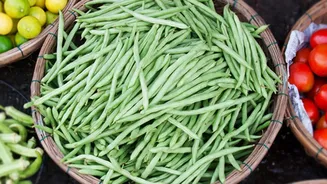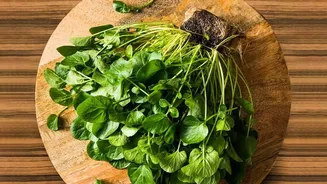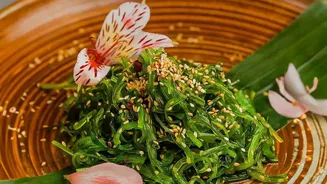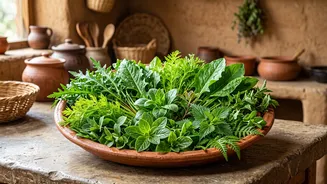





As the monsoon breathes life into the parched lands of Central India, the forests and fields burst forth with a verdant carpet of wild, edible greens. For generations, tribal communities have unlocked their hidden flavours using ingenious methods.
The Monsoon's Green Bounty
In the
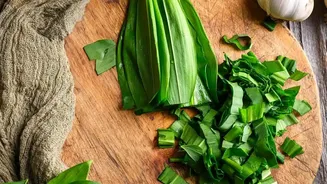
heart of India, across states like Madhya Pradesh, Chhattisgarh, and Jharkhand, the rainy season signals the start of a culinary tradition rooted in nature. This is the time for foraging, a practice where local communities, particularly Adivasi groups, venture into forests and wastelands to collect a wide array of leafy greens, known locally as 'saag' or 'bhaji'. These are not cultivated vegetables but wild plants that thrive in the monsoon humidity, such as the tender leaves of chakoda (Cassia tora), the earthy bathua (Chenopodium album), and the tangy creeping woodsorrel. This seasonal harvest forms a vital part of the local diet, providing essential nutrients when other food sources might be scarce. The knowledge of which plants are edible, where to find them, and when to harvest is a treasured inheritance, passed down through generations.
More Than Just a Simple Sauté
For many urban cooks, greens are often subjected to a quick stir-fry. However, the traditional methods for preparing these wild edibles are far more nuanced. Many foraged greens have complex flavours — some are bitter, others astringent or intensely earthy. The 'secrets' to preparing them lie in techniques designed to balance these strong notes and enhance their unique characteristics. It is an art of understanding the ingredient and coaxing out its best qualities, a culinary wisdom that respects the wild nature of the food. These methods are not about masking flavour but about creating a harmonious dish where the green itself is the star. Slow cooking, precise tempering, and the judicious use of souring agents are all part of this ancient culinary playbook.
The Foundational Art of Tempering
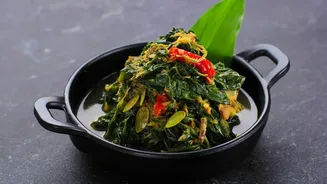
The soul of many Indian dishes, the 'tadka' or 'chhaunk', is especially critical when cooking foraged greens. This is not just a final flourish but a foundational flavour-building step. Hot ghee or mustard oil is infused with a careful selection of spices before the greens are even added. For earthy greens, a tadka of pungent garlic, smoky dried red chillies, and crackling mustard seeds creates a perfect aromatic base that complements the bitterness. This technique does more than add flavour; it uses the infused fat to carry the essence of the spices deep into the leaves, transforming the entire dish from simple to sublime. The choice of spices is deliberate, aimed at counteracting any undesirable sharpness in the greens while adding warmth and depth.
The Essential Role of Souring Agents
One of the most effective secrets to balancing the robust flavours of wild greens is the use of acidity. Many traditional recipes from Central India incorporate a sour element to cut through bitterness and brighten the overall taste. This can come from a variety of sources. Dried mango powder (amchur) offers a gentle tang, while the sharper sourness of tamarind paste provides a deeper counterpoint. In some regions, even crushed dried tomatoes or the unique tartness of gongura (roselle leaves) are used to create this crucial balance. This acidic touch is transformative; it makes the greens more palatable, rounds out the flavours, and adds a layer of complexity that elevates the dish from a simple vegetable side to a celebrated delicacy.
Slow Cooking and Earthen Vessels
Patience is a key ingredient in unlocking the flavour of wild greens. Unlike a quick, high heat stir fry, many traditional methods rely on slow cooking. Simmering the greens over a low flame, often in traditional earthen pots, allows them to break down gently, becoming incredibly tender and absorbing the surrounding flavours. This slow process mellows any harsh notes and allows for a deep melding of tastes. Earthen pots provide a gentle, even heat that prevents scorching and enhances the natural, earthy aroma of both the greens and any spices. Some techniques involve steaming the leaves in a parcel or cooking them with minimal water, concentrating their essence and nutrients. This slow, deliberate approach ensures a final texture that is soft and succulent, a hallmark of expertly prepared saag.