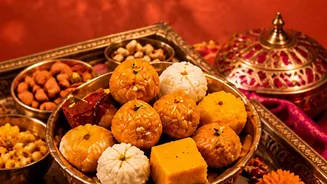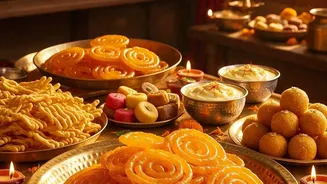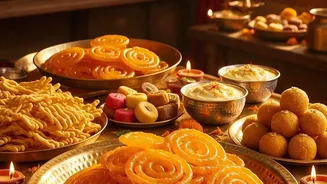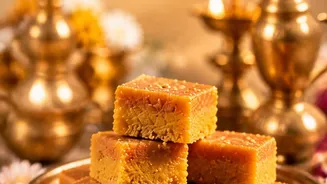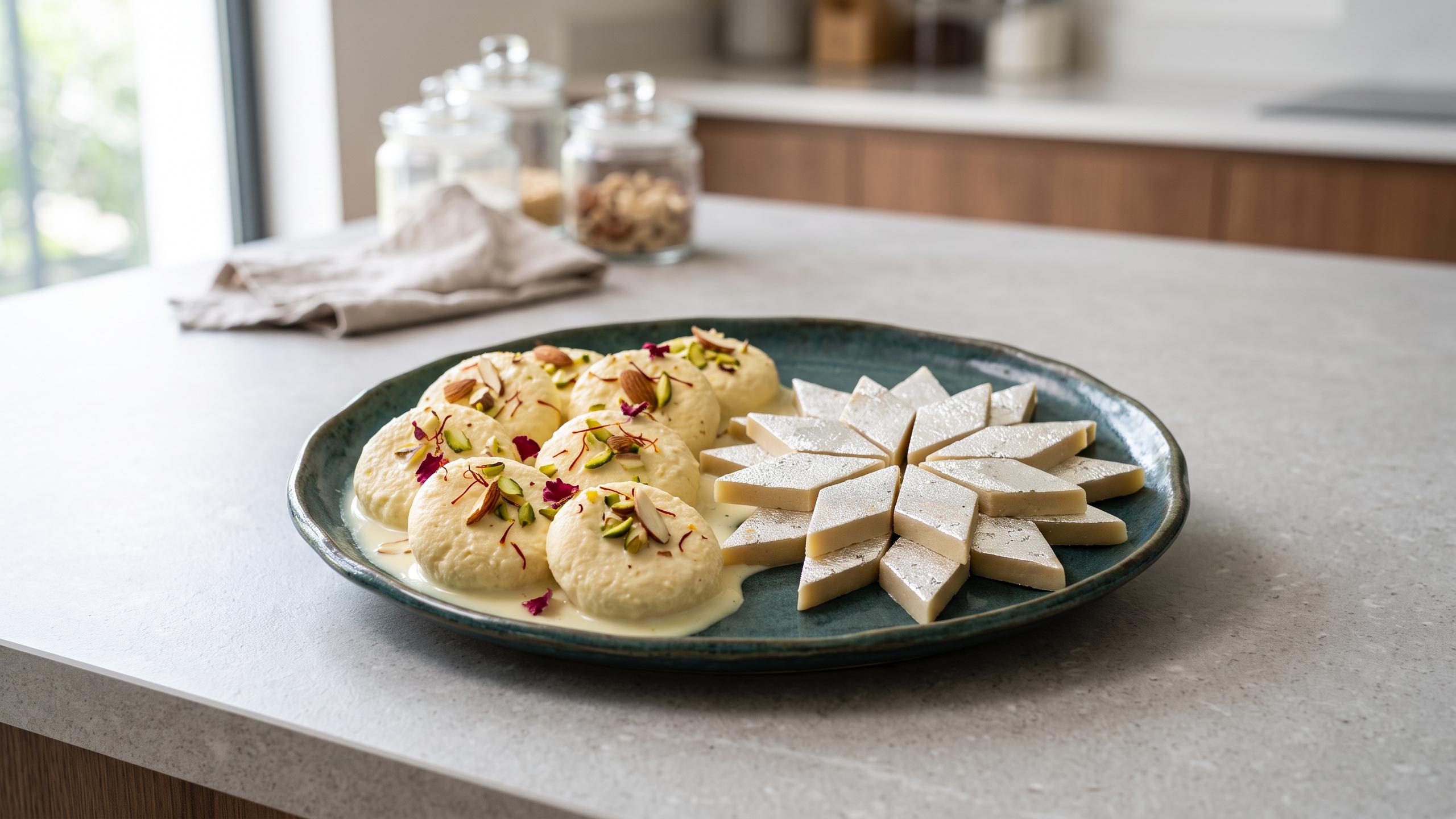




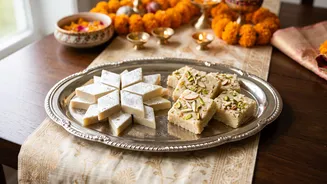
The joy of Diwali often leaves a delicious legacy: a fridge full of mithai. But dairy-rich sweets are highly perishable. Following simple food safety protocols can ensure your festive treats remain safe and delightful to eat for days to come.
The Two-Hour Rule is Golden
The most
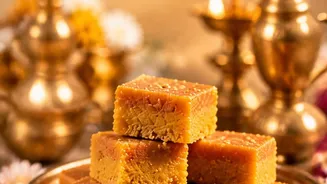
critical step in preserving dairy-based sweets like kalakand, rasmalai, and milk peda is prompt refrigeration. Bacteria can multiply rapidly at room temperature, entering a 'danger zone' between 4°C and 60°C. Perishable foods should never be left out for more than two hours. If your room is particularly warm, this window shrinks to just one hour. Once the festivities wind down, make it a priority to gather any milk-based sweets and place them in the refrigerator. This single act is the most effective way to inhibit the growth of harmful bacteria that can cause foodborne illness.
Choose Your Containers Wisely
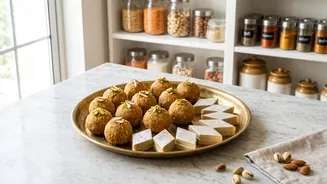
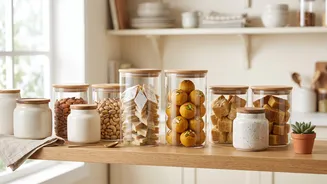
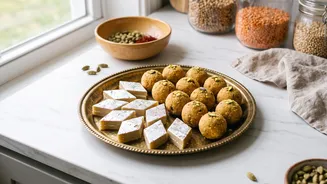
How you store your sweets is just as important as where. Always use airtight containers. Exposure to air not only causes sweets like barfi and kaju katli to go stale but also allows them to absorb strong odours from other foods in the fridge. Glass or high-quality BPA-free plastic containers are ideal for milk-based sweets. For drier sweets like ladoos, which are best kept at room temperature, an airtight tin in a cool, dark place is sufficient. Separating sweets by type prevents cross-contamination and moisture transfer. Using parchment or butter paper between layers can also stop them from sticking together.
Understand the Shelf Life of Mithai
Not all sweets are created equal when it comes to longevity. The ingredients determine how long they will last. Sweets high in dairy and moisture, such as sandesh, rasgulla, and kalakand, are the most perishable and should be consumed within 3 to 5 days of refrigeration. Those soaked in syrup, like gulab jamun, have a similar refrigerated shelf life of about 5 to 7 days. Drier sweets made with ghee, nuts, and flour, such as besan ladoo and many types of barfi, have lower moisture content and can last longer. These typically stay fresh for 7 to 10 days when stored properly in an airtight container at room temperature.
Practise Clean Handling
Preventing bacterial growth starts with basic hygiene. Always wash your hands with soap and warm water before handling sweets. Use clean, dry utensils like spoons or tongs to serve mithai, rather than your hands, to minimise the transfer of germs. Cross-contamination is a common cause of food spoilage. Ensure that any surfaces or utensils that have come into contact with raw foods are thoroughly cleaned before they touch your ready-to eat sweets. This diligence prevents introducing new bacteria to the sweets, helping them stay fresh for longer.
When In Doubt, Throw It Out
Your senses are your first line of defence against spoiled food. Before eating leftover mithai, inspect it closely. Milk‐based sweets often develop a sour or sharp, cheesy smell as they begin to spoil, which is a more reliable indicator than visible mould. For syrup‐based sweets, look for cloudy or stringy syrup. If the texture of a barfi or peda feels unusually sticky, hard, or slimy, it's best to discard it. Any visible mould, which can appear as green or black spots, means the entire batch should be thrown away, as spores can contaminate adjacent pieces even if they look fine. The golden rule of food safety is simple: if you have any doubts about its freshness, it is not worth the risk.