




The End of an Era
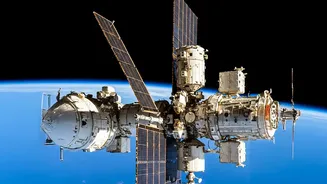
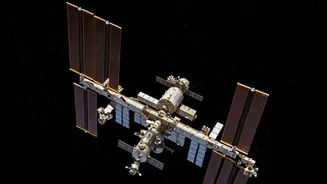
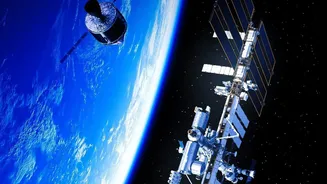
The International Space Station stands as one of humanity's greatest engineering and diplomatic achievements, hosting nearly 300 astronauts from 26 countries since 2000. However, the nearly 450-tonne structure is aging. After decades of service, concerns
about structural fatigue and rising maintenance costs have made its retirement inevitable. NASA and its partners plan a controlled deorbit around 2030, guiding the station to a fiery reentry over a remote part of the South Pacific Ocean known as Point Nemo. This decision marks a pivotal moment, risking a gap in American presence and research capabilities in low-Earth orbit (LEO) unless a successor is ready.
NASA's Commercial Pivot
Rather than building another government-owned station, NASA is turning to the private sector. Through its Commercial LEO Destinations (CLD) program, the agency is fostering the creation of privately owned and operated space stations. The strategy mirrors the success of its commercial cargo and crew programs, which used companies like SpaceX and Boeing to service the ISS. Under the CLD program, NASA acts as a catalyst, providing initial funding and technical support to several companies. The ultimate goal is for NASA to become just one of many customers, purchasing services like astronaut time and research capacity in a competitive commercial marketplace, freeing up its own resources to focus on deep space missions to the Moon and Mars under the Artemis program.
The Front-Runners in the Race
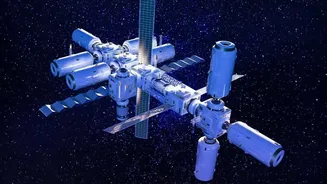
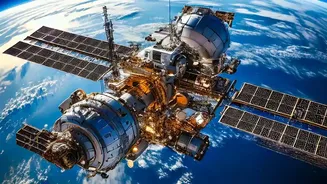
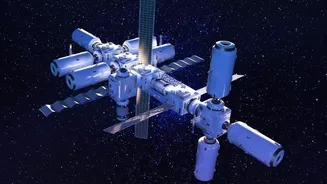
Several ventures are competing to become the primary destinations in this new LEO economy. Axiom Space is taking a unique approach by planning to first attach its modules to the ISS starting as early as 2026. These modules will eventually detach to form a free-flying commercial station, the Axiom Station, before the ISS is deorbited. Another major contender is Orbital Reef, a project led by Blue Origin and Sierra Space. Envisioned as a "mixed-use business park" in space, it aims to serve a diverse clientele including governments, industry, and even tourists, using Sierra Space's inflatable LIFE habitats and Dream Chaser spaceplane. A third key player is Starlab, a joint venture between the American company Voyager Space and the European aerospace giant Airbus. Starlab is designed as a single, large habitat focused on providing a seamless transition for the microgravity research currently conducted on the ISS.
Building a Business in Orbit
The success of these commercial stations hinges on a viable business model that extends beyond a single government client. Their primary revenue will initially come from NASA contracts to host American astronauts and conduct research. However, long-term profitability depends on attracting a diverse customer base. This includes sovereign astronaut programs from countries without their own space stations, private companies looking to conduct research and development in microgravity, and the nascent market for in-space manufacturing of novel materials or pharmaceuticals. Space tourism is another potential revenue stream, with companies like Axiom already flying private citizens to the ISS on precursor missions. The goal is to create a self-sustaining ecosystem where multiple customers and providers drive down costs and expand economic activity in orbit.
Hurdles on the Path to Orbit
Despite the ambitious plans, the path forward is filled with significant challenges. The foremost is financial. Developing, launching, and operating a space station is an incredibly expensive endeavor, and companies must secure hundreds of millions, if not billions, in private investment beyond NASA's initial seed money. Technical hurdles remain, as these companies must prove their hardware is safe and reliable for continuous human occupation. Furthermore, the market itself is unproven. While NASA provides a crucial anchor tenancy, it's uncertain if demand from private industry and tourism will materialize quickly enough to make these ventures profitable. With the ISS's retirement date looming, the race is not just about getting to orbit, but about doing so before a costly gap in LEO access emerges.