






The Golden Rule: Go Airtight
High humidity is the primary enemy during the monsoon. Moisture in the air is quickly absorbed by dry goods, leading to sogginess, mould, and spoilage. The single most effective strategy is to transfer key items from their original packaging into genuinely
airtight containers. Glass or steel containers with rubber gaskets are excellent choices. This applies to everything from dals and flours to biscuits and snacks. Most standard twist-ties or loose lids on plastic bags offer no real protection against moisture or pests.
Grains and Flours: Keep Weevils Away
Grains like rice and dal, and flours like atta and besan, are particularly vulnerable during the rains, becoming magnets for moisture and weevils. Before the monsoon sets in, transfer them to large, airtight containers. For added protection, you can add a few dried bay leaves to your grain containers, as they are a natural pest repellent. Some experts also suggest lightly dry-roasting ingredients like sooji (rava) and flour before storing to remove excess moisture and extend their shelf life. For flour, adding a few tablespoons of uncooked rice to the container can act as a natural, food-safe desiccant to absorb ambient moisture.
Spices: Preserve Aroma and Prevent Clumping
The damp monsoon air can quickly rob your precious spices of their aroma and flavour, causing powders to form hard clumps. Store all your spices, especially powders like turmeric and chilli, in airtight glass jars and keep them in a cool, dark cabinet away from the stove and sink. Periodically check your whole spices like cinnamon and cardamom; if they start to feel damp, you can lightly roast them on a pan for a few minutes to dry them out and revive their fragrance.
Vegetables: To Refrigerate or Not?
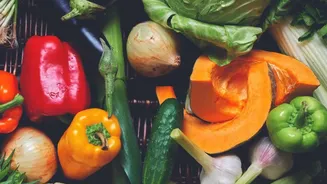
Not all vegetables belong in the fridge. Root vegetables like onions, potatoes, and garlic should be stored in a cool, dark, and well-ventilated place, but not in the refrigerator. For leafy greens like spinach and coriander, wash them thoroughly and pat them completely dry. Wrapping them in a paper towel before placing them in a breathable or perforated bag in the fridge can absorb excess moisture and keep them crisp for longer. Avoid washing vegetables until you are ready to use them, as the extra moisture can accelerate rot.
Biscuits and Snacks: Winning the War on Sogginess
There's nothing more disappointing than reaching for a crunchy biscuit or a crispy chip only to find it has gone soft. During the monsoon, never leave snack packets open. Immediately transfer them to an airtight container. Placing a piece of tissue paper or a paper towel inside the container can help absorb any intrusive moisture. If your snacks have already lost their crunch, you can often revive them by spreading them on a tray and baking them in a preheated oven for a few minutes. Allow them to cool completely before storing them again.
Smart Shopping and Pantry Management
During the humid months, it's wise to adjust your shopping habits. Avoid buying perishable items and moisture-sensitive goods in bulk. Smaller, more frequent purchases ensure that you use up your groceries before they have a chance to spoil. Keep your storage areas clean and dry, and never place food containers directly on a cold floor, which can introduce hidden moisture. Placing small activated charcoal sachets or silica gel packets in your pantry can also help reduce the overall humidity in the storage space.