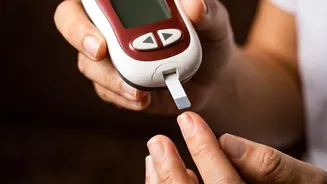







Understanding High Blood Sugar
High blood sugar, or hyperglycemia, occurs when there is too much glucose in your bloodstream. This happens when your body either doesn't produce enough insulin or can't use the insulin it produces effectively. Glucose is the body’s main source of energy,
but it needs insulin to move from the blood into your cells. When this process fails, sugar builds up in the blood, which can lead to various symptoms and, over time, damage nerves, blood vessels, and organs if left untreated. Symptoms often develop slowly, and some people, particularly those with type 2 diabetes, may not notice them at first.
Why You Feel So Tired
Persistent fatigue is one of the most common signs of high blood sugar. This happens because your body's cells are being starved of energy. Even though there is plenty of glucose in the blood, the lack of effective insulin means it can't enter the cells to be used as fuel. Your body then feels sluggish and drained, even after a full night's sleep. Furthermore, high blood sugar forces your kidneys to work harder to filter the excess glucose, leading to more frequent urination. This can cause dehydration, which itself contributes significantly to feelings of tiredness and weakness.
The Link to Blurred Vision
Blurred vision is another key symptom that can arise from high blood sugar. It often occurs because elevated glucose levels pull fluid from your body's tissues, including the lenses of your eyes. This can cause the lens to swell and change shape, which affects its ability to focus properly. For many, this type of blurred vision is temporary and can resolve once blood sugar levels are brought back into a target range. However, it's a crucial sign to take seriously, as long-term high blood sugar can damage the small blood vessels in the back of the eye, potentially leading to more severe conditions like diabetic retinopathy.
Other Key Signs to Watch For
Besides fatigue and blurred vision, several other symptoms can indicate high blood sugar. Increased thirst and frequent urination are classic signs that go hand-in-hand. As your kidneys flush out excess sugar, you lose more fluids, triggering intense thirst. You might also notice unexplained weight loss, as your body loses calories through the excreted sugar. Other subtle but important signs include slow-healing sores or cuts, frequent infections (like skin or urinary tract infections), and a tingling or numb sensation in your hands and feet.
When to Consult a Doctor
While these symptoms can have many causes, it's important not to dismiss them, especially if you experience several at once. If you notice persistent and unexplained fatigue, increased thirst, frequent urination, or changes in your vision, it is time to consult a healthcare professional. A doctor can perform simple tests, like a blood glucose test, to check your levels and determine the cause. Early diagnosis and management are key to preventing the long term health problems associated with untreated high blood sugar. You should seek immediate medical care if symptoms are severe, such as confusion, nausea and vomiting, or difficulty breathing.