







The Dark Side of a Good Thing
Exfoliation is a cornerstone of modern skincare, praised for its ability to slough away dead cells, unclog pores, and reveal brighter, smoother skin. From physical scrubs to chemical peels with alpha-hydroxy acids (AHAs) and beta-hydroxy acids (BHAs),
we have countless tools to polish our complexion. But this obsession with shedding skin has a downside. Dermatologists report that over-exfoliation is one of the most common mistakes they see. Instead of achieving a healthy radiance, many are unintentionally stripping their skin, leading to irritation, sensitivity, and even more breakouts. The very issues people try to solve with exfoliation can be worsened by overdoing it.
Signs You're Overdoing It
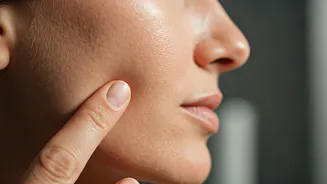
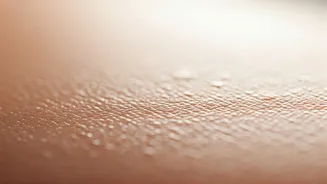
Your skin has ways of telling you it’s had enough. The most common signs of over-exfoliation include redness, persistent irritation, and a burning or stinging sensation when applying other products. You might also notice your skin becoming unusually dry, flaky, or tight. Paradoxically, some people experience increased oiliness and new breakouts, as the skin overcompensates for being stripped of its natural oils. One of the trickiest signs to spot is a waxy, artificially shiny appearance. This isn't a healthy glow; it's the look of a compromised skin barrier that has lost its texture and is overly smooth and tight.
Meet Your Skin Barrier
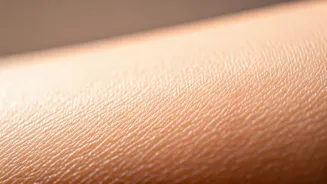
Think of your skin barrier as a protective shield. This outermost layer, called the stratum corneum, is responsible for two crucial jobs: keeping moisture in and keeping irritants and bacteria out. When you exfoliate too aggressively or too often, you wear down this shield. You’re not just removing dead cells; you’re stripping away the essential lipids and proteins that hold the barrier together. A damaged barrier can't effectively retain hydration, leading to chronic dryness and sensitivity. It also becomes vulnerable to environmental aggressors, which can trigger inflammation and other skin issues. Gentle exfoliation supports the skin barrier, while aggressive methods break it down.
How to Exfoliate the Right Way
Finding the right frequency depends entirely on your skin type. Those with oily or acne-prone skin might be able to handle exfoliating two to three times a week, as it helps manage excess sebum. For normal skin, one to three times per week is a good starting point. If you have dry, sensitive, or mature skin, pulling back to just once a week is often best. Regardless of your type, it’s always wise to start slow and see how your skin reacts. Chemical exfoliants (like lactic or glycolic acid) are often gentler than physical scrubs, which can cause micro-tears if they contain harsh particles like nut shells.
How to Heal a Stressed-Out Face
If you suspect you've over-exfoliated, the first step is simple: stop. Halt all use of exfoliating acids, scrubs, and retinoids until the redness and irritation subside. Simplify your routine down to the essentials: a mild, non-foaming cleanser, a hydrating moisturizer, and daily sunscreen. Look for products with barrier-repairing ingredients like ceramides, hyaluronic acid, and peptides, which help replenish moisture and rebuild the skin’s structure. It may take a few days or even a couple of weeks, but with a gentle approach, your skin can recover its balance and health.