




The End of the Seasonal Wardrobe
For generations, wardrobes in India were neatly divided by season: crisp cottons for the sweltering summer, vibrant layers for the festive period, and warmer woollens for the brief winter. But with delayed monsoons, shorter and milder winters, and sudden,
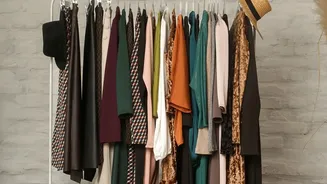
intense heatwaves becoming the new normal, that clear-cut system is no longer practical. Shoppers are finding that a closet filled with occasion-specific or season-specific clothing results in a wardrobe full of items that are rarely worn. The frustration of having 'nothing to wear' despite an overflowing closet is leading to a major shift in consumer behaviour. People are moving away from trend-driven, disposable fashion and investing in a more thoughtful, climate-agnostic approach to dressing.
Dressing for the 'New Normal' Climate
The driving force behind this change is India's increasingly unpredictable climate. Erratic weather patterns have a direct impact on consumer habits, a trend seen across multiple sectors. Just as extreme heat can trigger a sudden surge in demand for air conditioners and cold drinks, inconsistent weather is forcing a rethink of apparel. A single day can bring intense humidity, scorching sun, and a sudden thundershower, rendering a 'summer' or 'monsoon' specific outfit impractical. The traditional fashion calendar, with its distinct spring/summer and autumn/winter collections, feels out of sync with this reality. The solution shoppers are embracing is not to buy more, but to buy smarter by building a core collection of versatile, repeatable basics that can handle these fluctuations.
The Rise of the 'All-Weather' Wardrobe
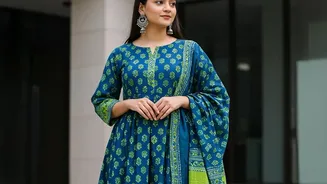
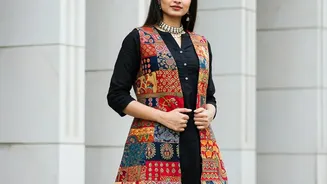
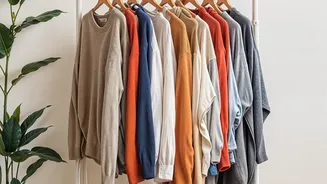
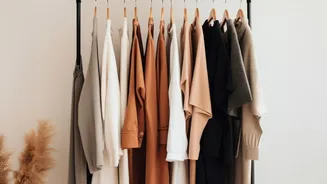
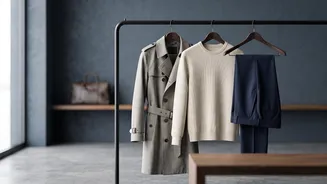
This new, practical approach is often called a 'capsule wardrobe' or 'trans-seasonal dressing'. The idea is to build a curated collection of around 20-35 high-quality, timeless pieces that can be easily mixed and matched. The foundation of this wardrobe is a 'fabric-first' philosophy. Breathable, natural materials are key. Hand-spun khadi, known for its unique ability to keep the wearer cool in summer and warm in winter, is a prime example. Lightweight cottons, airy linens, and versatile silk blends like Mashru—which offers the sheen of silk with the comfort of cotton—are also gaining popularity for their ability to manage heat and humidity. These fabrics form the basis for essentials like solid-coloured kurtis, classic white shirts, wide-leg trousers, and relaxed-fit jeans that serve as the backbone of countless outfits.
A Smarter, More Sustainable Closet
While driven by practicality, this shift towards repeatable basics has significant benefits for both the wallet and the planet. By focusing on quality over quantity, consumers spend less over time and reduce clothing waste. This move towards 'slow fashion' also marks a return to traditional Indian practices, where garments were made to last and often passed down through generations. The concept of upcycling old sarees into quilts or reusing textiles was an inherent part of the culture long before sustainability became a global buzzword. Today, a growing number of Indian brands are championing these principles, focusing on handloom fabrics, ethical production, and timeless designs that transcend fleeting trends.
How Indian Brands Are Responding
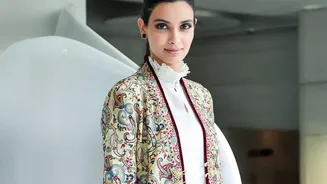
The fashion industry is taking note. Many Indian labels are moving away from strict seasonal drops and focusing on trans-seasonal collections that can be worn year-round. Brands like The Summer House and Summer Away build their identity around breathable, travel-friendly resort wear that works for much of the year in India's climate. Others, like Fabindia, have long championed handcrafted textiles that are naturally suited for the Indian climate. The emphasis is on versatile silhouettes like co-ord sets, flowy dresses, and lightweight jackets that allow for easy layering. This approach empowers consumers to adapt a single outfit for different temperatures, whether it's by adding a scarf or a light jacket, making their wardrobe truly work for them, no matter what the weather report says.