



The Soulful Bowls of Kerala
Imagine the subtle, layered flavours of God's Own Country, all nestled in one comforting bowl. Keralan cuisine, with its generous use of coconut, tangy tamarind, and fragrant curry leaves, is perfectly suited for the one-bowl treatment. The star is often
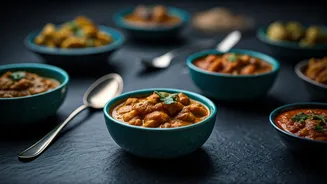
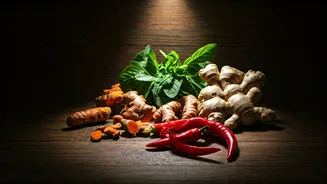
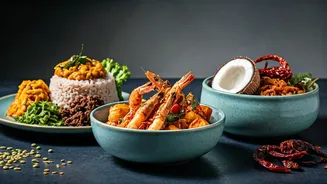
a beautifully prepared fish curry, like a fiery ‘Meen Vevichathu’ or a creamy coconut-based 'Meen Moilee', ladled over steaming bowls of fluffy Matta rice. But it’s more than just curry and rice. A modern Keralan bowl might deconstruct a traditional 'sadya', layering a portion of rice with spoonfuls of avial (a mixed vegetable stew with coconut), thoran (a dry vegetable stir-fry with grated coconut), and a dollop of tangy puliinji (ginger-tamarind pickle). This isn’t just a meal; it’s a balanced ecosystem of textures and tastes, from the crunch of a pappadam to the smooth, rich gravy. Its appeal lies in its perceived wellness and wholesome nature, offering a complete, nourishing meal that feels both indulgent and healthy.
Goa's Bold and Tangy Flavours
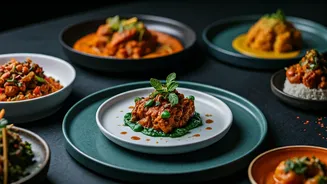
If Keralan bowls are a gentle hug, Goan bowls are a vibrant party. The cuisine of India's sunshine state is famous for its punchy, assertive flavours, a legacy of its Portuguese colonial history. The quintessential Goan bowl is, of course, fish curry rice. But this is no ordinary dish. Made with a complex blend of roasted spices, coconut, and the souring agent kokum, Goan fish curry is a tangy, spicy, and deeply aromatic experience. Beyond the classic, chefs are now plating dishes like Pork Vindaloo or Chicken Xacuti in a bowl format. The intense, vinegar-laced heat of a good vindaloo, balanced with rice, becomes a deeply satisfying single-dish meal. What makes the Goan bowl so export-friendly is its robust flavour profile that stands out in a crowded global food market. It’s unapologetically bold, offering a taste of India that is coastal, complex, and completely addictive. The flavours are distinct and memorable, making them an easy entry point for diners unfamiliar with the nuances of regional Indian food.
The Smoky, Umami-Rich Naga Bowls
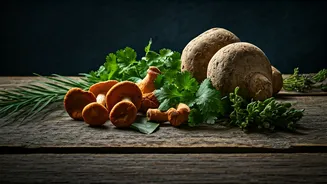
For the adventurous global diner, the Naga bowl is a revelation. Hailing from the verdant hills of Nagaland in India’s Northeast, this cuisine is built on ingredients and techniques rarely seen elsewhere. Think smoky meats, fiery Raja Mircha (one of the world's hottest chillies), and the unmistakable umami punch of 'axone'—fermented soybeans. A typical Naga bowl might feature smoked pork cooked with fermented bamboo shoots, served alongside sticky rice and a side of boiled greens. Another classic is 'Galho', a hearty rice porridge similar to congee, often cooked with smoked meat and seasonal vegetables. The appeal of the Naga bowl is its primal, earthy authenticity. In a food world increasingly obsessed with fermentation, umami, and nose-to-tail cooking, Naga cuisine feels incredibly modern. It offers a flavour profile that is complex, savoury, and profoundly different from mainstream Indian food, catering to a growing demand for unique and hyper-regional culinary experiences.
Why These Bowls, Why Now?
The rise of these regional bowls isn’t a coincidence. It’s a convergence of several global trends. Firstly, diners are tired of the monolithic idea of “Indian curry.” They crave authenticity and are eager to explore the subcontinent's vast culinary map. Secondly, the bowl format itself is a winner. It’s visually appealing (perfect for Instagram), convenient, and often perceived as a balanced, portion-controlled meal. Finally, a new generation of Indian chefs, both at home and abroad, are acting as proud ambassadors for their regional heritage. They are presenting these traditional flavours in a contemporary, accessible format without dumbing them down. By focusing on a single, perfectly executed dish, they make it easy for someone in London, New York, or Singapore to understand that Indian food is not one thing, but a glorious collection of many.