






The First Signs of Trouble
An in-flight disruption can range from a medical emergency to a dangerously unruly passenger. The cabin crew are the first line of defence, trained in de-escalation techniques to manage difficult situations calmly and professionally. Their initial goal
is to handle the issue without involving the flight deck. However, if the situation escalates, a call is made to the pilots. This communication is crucial. The pilots need to know the exact nature and severity of the event to begin their own assessment. While flight attendants handle the immediate issue in the cabin, the pilots must remain focused on their primary duty: flying the plane safely.
Assessing the Threat from the Cockpit
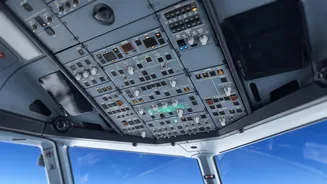
Once alerted, pilots follow a strict principle: Aviate, Navigate, Communicate. The top priority is always to maintain control of the aircraft. They rely on the cabin crew for accurate information to build a clear picture. Is it a contained medical issue or a security threat? This is also when the 'sterile cockpit' rule, which prohibits non-essential conversation during critical flight phases (typically below 10,000 feet), may be unofficially extended to ensure total focus. Based on the crew's reports, the captain must decide if the situation warrants a diversion. This isn't a decision taken lightly, as it involves significant logistical and financial consequences for the airline and major disruption for passengers.
The Critical Calculation to Divert
If a diversion is deemed necessary, it becomes a complex race against time. Pilots, in coordination with their airline's operations centre, must identify the nearest suitable airport. 'Suitable' is the key word. It’s not just about proximity; the airport must have a runway long enough for the aircraft, appropriate emergency services for the situation (like medical facilities or law enforcement), and acceptable weather conditions. Pilots will calculate if they have enough fuel to reach the alternate airport with a safe reserve. They will use a series of checklists to ensure every variable is accounted for, from aircraft performance to terrain avoidance.
Executing the Unscheduled Landing
Once a decision is made, the pilots communicate their intentions to Air Traffic Control (ATC). They may declare an urgency with a “Pan-Pan” call for a serious but not immediately life-threatening issue, like a manageable medical problem. For a grave and imminent danger, such as a fire or major security breach, they will declare a “Mayday.” This gives them priority over all other air traffic, and ATC will clear their path, guiding them to the diversion airport. The pilot will also set the transponder to a special code like 7700, which instantly alerts all controllers to the emergency. Inside the cabin, the crew prepares passengers for the unscheduled landing, providing clear instructions.
Aftermath on the Tarmac
Upon landing, the aircraft is met by the relevant ground services. This could be paramedics for a medical crisis or law enforcement to remove and potentially arrest a disruptive passenger. For the other passengers, the experience can be frustrating. Depending on the reason for the diversion, they might remain on the plane while it refuels to continue the journey, or they may have to deplane. The airline is then responsible for rebooking passengers on the next available flights to get them to their final destination. While inconvenient, every step of the process is dictated by an unwavering commitment to the safety of everyone on board.