


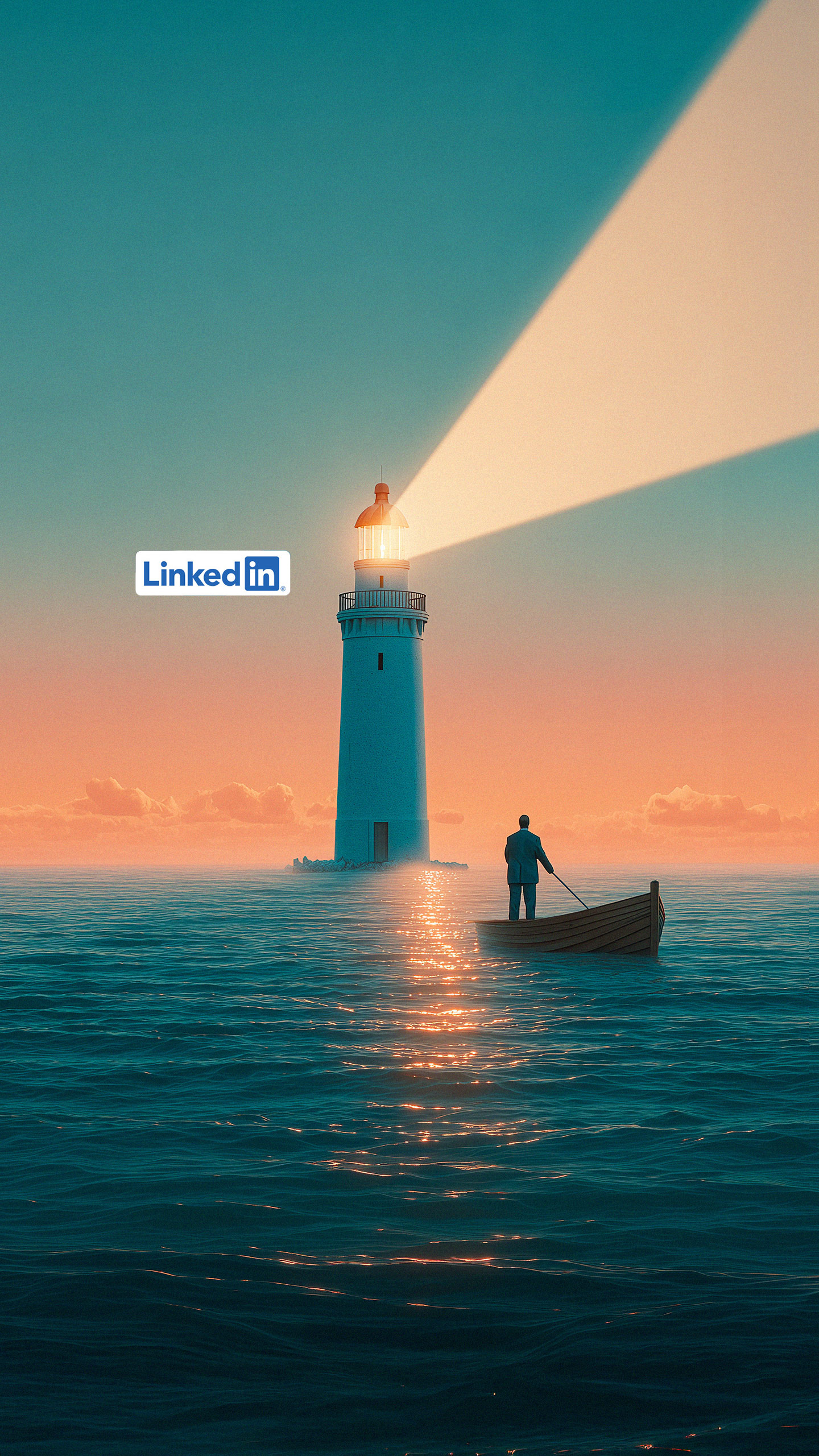





The Modern Indian Sleep Paradox
Late-night family dinners, social gatherings that start when others are heading to bed, catching up on shows after a long commute, and the constant glow of a smartphone screen. This is the reality of modern life for millions of Indians. While these habits
are part of our social fabric, they contribute to a growing national problem: inconsistent sleep. Many of us go to bed late, wake up at different times on weekdays versus weekends, and feel perpetually tired as a result. This cycle, sometimes called 'social jetlag', throws our bodies into a state of confusion. We often blame stress or a busy schedule, but a critical, overlooked factor is our relationship with light.
Meet Your Body's Master Clock
Deep inside your brain is a master clock called the circadian rhythm. Think of it as a 24-hour internal timekeeper that tells your body when to feel awake and when to feel sleepy. This clock's most powerful setting tool is light. When light enters your eyes, it sends signals to your brain to be alert and active. When it gets dark, your brain gets the signal to produce melatonin, the hormone that makes you feel sleepy and helps you rest deeply. The problem is, our modern Indian lifestyles are sending this clock confusing signals all day and all night.
Morning Light: Your Most Important Appointment
The single most important action for resetting a confused body clock is getting bright light exposure soon after you wake up. Experts recommend getting 10 to 15 minutes of natural sunlight within the first hour of your day. This morning light acts like a starter pistol for your circadian rhythm. It sharply reduces the sleep hormone melatonin and boosts hormones that promote alertness, effectively telling your brain, 'The day has officially begun'. This simple act helps anchor your entire 24-hour cycle, making it easier to naturally feel sleepy at the right time in the evening. You don't need to stare at the sun; simply have your morning chai on the balcony, do a few stretches by a sunny window, or take a short walk outside. Even on a cloudy day, outdoor light is far more powerful than indoor lighting.
Navigating The Evening Light Maze
Just as important as getting morning light is avoiding bright light in the evening. Our homes are often filled with bright overhead lights, and it's common practice to relax with family in front of a large television or scroll through our phones before bed. This exposure to artificial light, especially the blue light from screens, tricks your brain into thinking it's still daytime. It suppresses melatonin production, making it harder to fall asleep and reducing the quality of the sleep you do get. Even moderate room lighting can impair your cardiovascular function and metabolism during sleep. Making a conscious effort to dim the lights two hours before bed can make a huge difference. Switch from harsh white overhead lights to warmer, dimmer lamps. Enable 'night mode' on your phone and laptop, and try to establish a 'digital sunset'—a time when screens are put away for the night.