



The Invisible Threat of Altitude
As you ascend to heights above 2,500 metres (around 8,000 feet), the air gets thinner. Each breath you take contains less oxygen, and your body needs time to adjust. Rushing this process can lead to Acute Mountain Sickness (AMS), a condition that feels
like a severe hangover with symptoms like headaches, nausea, dizziness, fatigue, and loss of appetite. While most travelers experience a mild form, ignoring the signs can lead to life-threatening conditions. These include High-Altitude Pulmonary Edema (HAPE), where fluid fills the lungs, and High-Altitude Cerebral Edema (HACE), which involves brain swelling. Physical fitness, age, or gender offers no guaranteed protection; even the fittest athletes can be affected if they ascend too quickly.
The Highway’s Dangerous Ascent
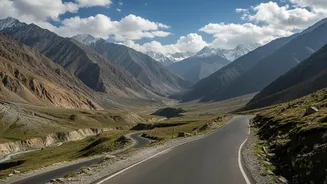
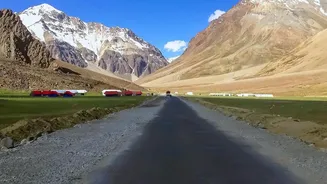
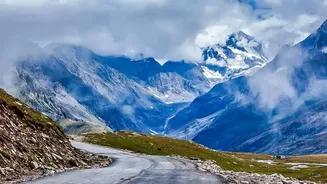
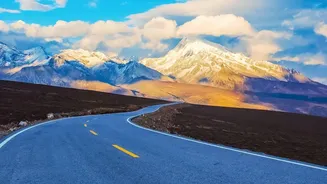
The Manali-Leh highway is particularly notorious for causing AMS. Unlike flying into Leh (3,500m) where you can force a 48-hour rest period, the road trip gives a false sense of gradual ascent. The route forces you to cross several high-altitude passes in quick succession, including Baralacha La (16,040 ft) and Tanglang La (17,480 ft). A common mistake is the two-day dash, often involving a night halt at Sarchu (4,290m). Sleeping at such a high elevation after starting from Manali (2,050m) just a day before is a recipe for disaster, as your body has no time to cope with the drastic change. A study found that travellers arriving in Leh via the Manali road had the highest incidence of AMS (57%) compared to those who flew or came from Srinagar.
The Golden Rules of Acclimatisation
Proper acclimatisation isn't complicated, but it requires patience. The most critical rule is to ascend slowly. A three-day itinerary for the Manali-Leh drive is highly recommended. Spending the first night at a mid-altitude location like Jispa or Keylong (around 3,200m) is far safer than pushing on to Sarchu. This allows your body to register the altitude and begin adapting while you sleep. The principle is "climb high, sleep low." It’s fine to cross high passes during the day as long as you descend to a lower altitude for the night. Hydration is also key; aim to drink at least four to five litres of water daily. Finally, avoid alcohol, smoking, and heavy meals, as they can hinder the acclimatisation process.
Know the Warning Signs
Listen to your body. A mild headache is common, but if it persists or is joined by other symptoms like dizziness, nausea, or extreme fatigue, it's a sign to stop ascending. Do not go higher until the symptoms have subsided. If your symptoms worsen, the only cure is to descend to a lower altitude immediately. Carrying a portable oxygen cylinder can provide temporary relief while you move to a safer elevation, but it is not a substitute for descent. Medications like Acetazolamide (Diamox) can help speed up acclimatisation, but they must be taken preventatively and after consulting a doctor.
The Late Monsoon Complication
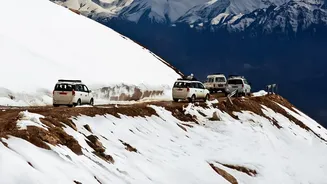
Traveling on the Manali-Leh highway in the late monsoon (late August and September) adds another layer of complexity. While the heaviest rains may have passed, the risk of landslides, flash floods, and road closures remains high. Such disruptions can cause unexpected delays, potentially forcing you to spend a night at a dangerously high and unplanned location. The stress of unpredictable travel conditions can also put an additional physical strain on your body, making it harder to acclimatise effectively. Weather can change rapidly at high passes, with sudden snowfall possible even in these months. This makes a well-planned, flexible itinerary with buffer days not just advisable, but essential for a safe journey.