
Prepare Your Vehicle Before You Go
A safe trip begins before you even turn the key. Your vehicle's condition is paramount. First, inspect your tyres. Ensure they have adequate tread depth, as worn tyres significantly increase the risk of skidding on slippery ghat roads. Next, check your brakes.
The steep descents will put immense strain on them, so ensure they are in optimal condition. Finally, don’t neglect your wipers and lights. Old wiper blades will fail you in a heavy downpour, severely limiting visibility. Check that all lights—headlights, taillights, and especially fog lamps—are functioning perfectly. A clean windscreen, inside and out, also makes a huge difference in reducing glare at night.
Master Your Lights for Maximum Visibility
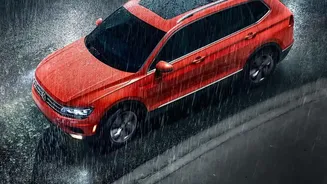
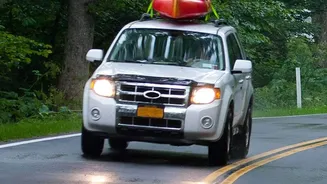
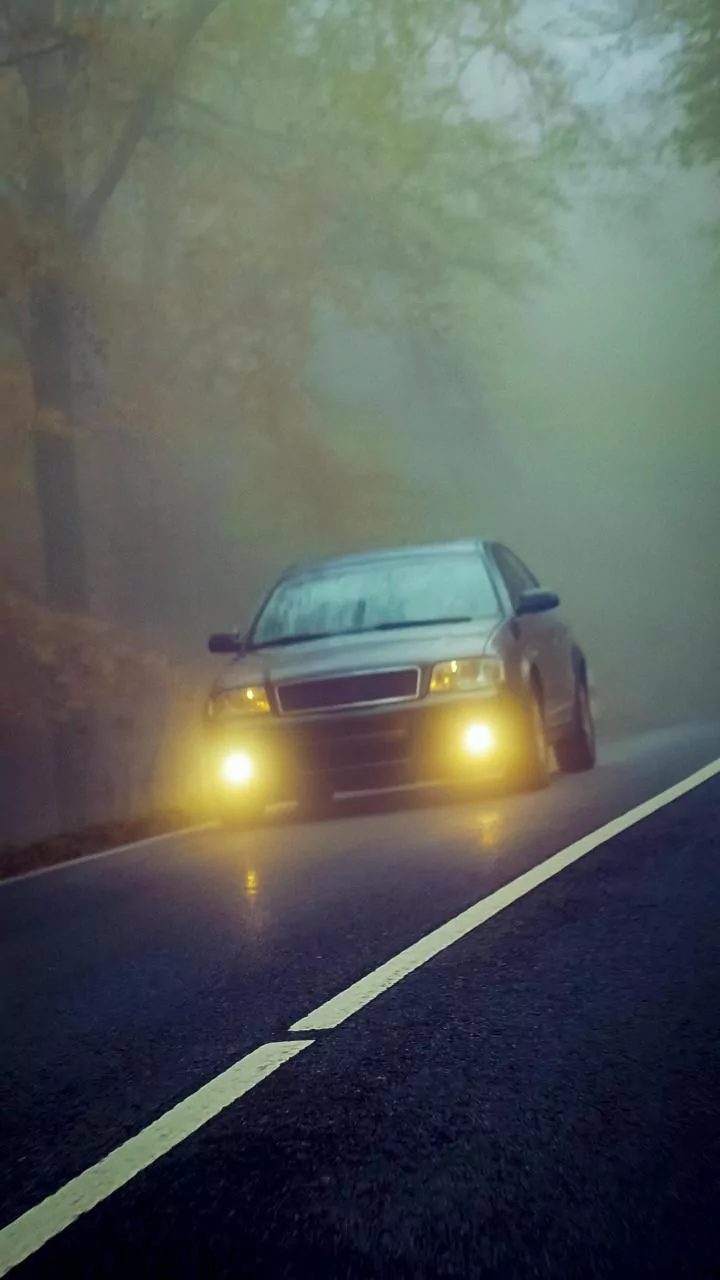
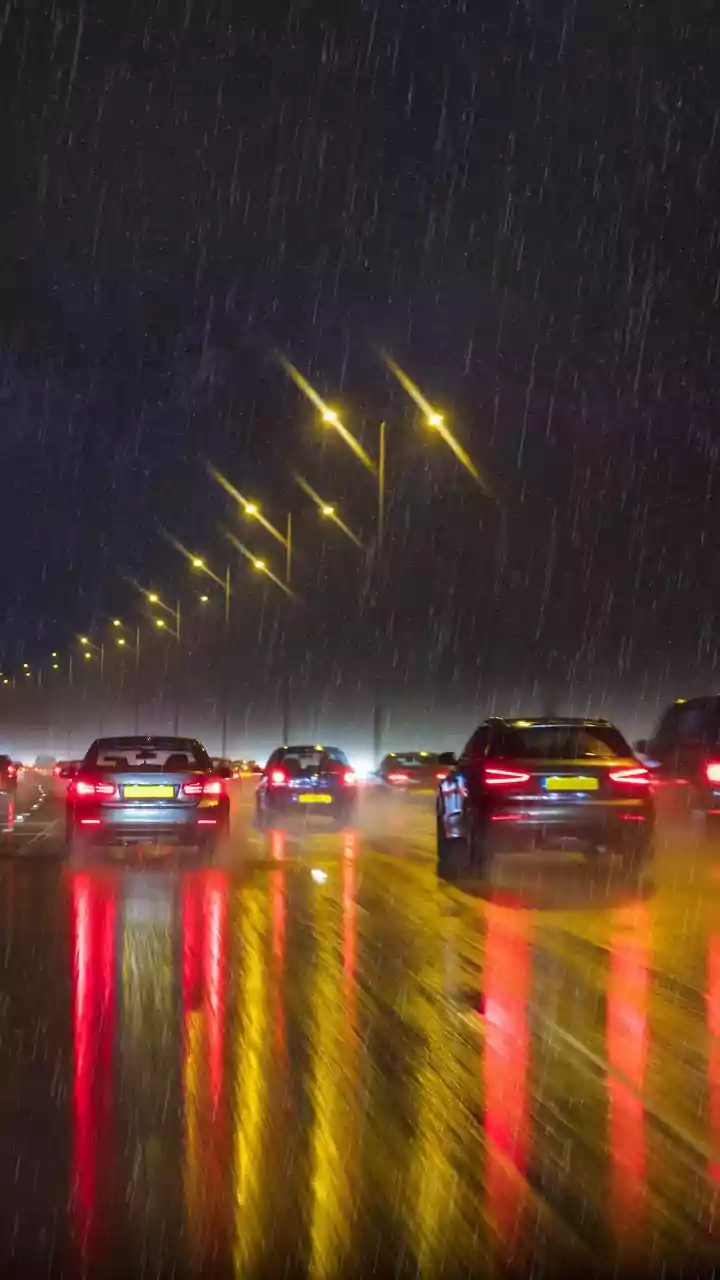
In heavy rain and fog, seeing and being seen is everything. Many drivers mistakenly use high beams in fog or intense rain, but this is counterproductive. The light reflects off the water droplets, creating a wall of glare that worsens your visibility. The correct approach is to use your low beams. This directs the light downwards onto the road, helping you see the surface without blinding yourself or oncoming traffic. If your car has fog lamps, use them in conjunction with your low beams, as they are designed to cut through the mist close to the ground. If you need to pull over, always turn on your hazard lights to alert other drivers.
Embrace Engine Braking on Descents
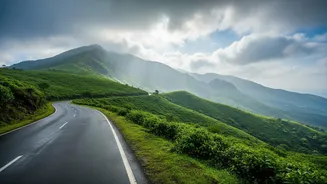
The winding, steep descents of the Ghats can easily overheat your brakes, leading to a dangerous situation called “brake fade,” where they lose effectiveness. The solution is engine braking. Instead of riding the brake pedal continuously, shift to a lower gear (for automatics, use '2', 'L' or the manual override). A good rule of thumb is to use the same gear to go down a hill that you would use to climb it. This uses the engine's resistance to control the vehicle's speed, saving your brakes for when you truly need them. Apply the brakes intermittently and gently, rather than keeping constant pressure.
Double Your Following Distance
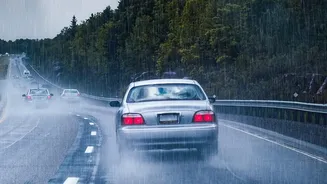
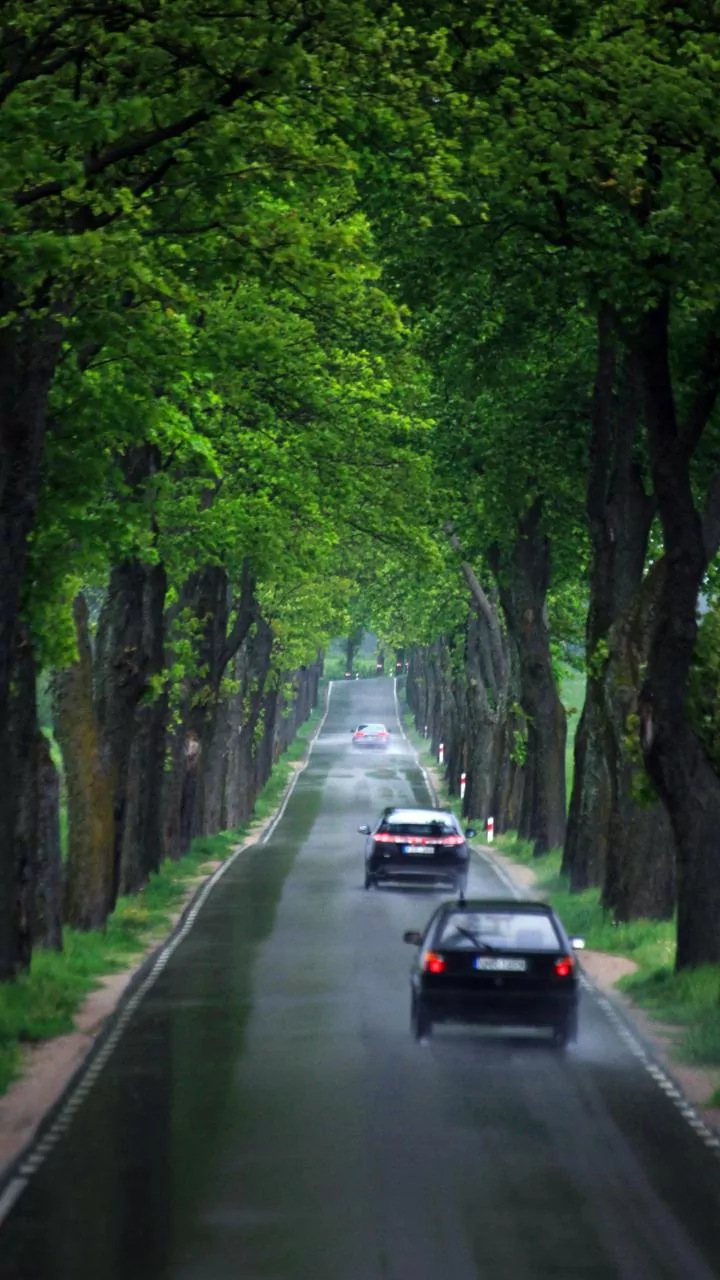
Wet roads drastically increase your vehicle's stopping distance. In normal, dry conditions, a three-second following distance is recommended. During heavy rain, you should increase that to at least six seconds. This gives you more time and space to react to sudden stops or hazards on the road ahead. This 'bubble' is especially critical in the Ghats, where sharp, blind curves can hide a stopped vehicle or a sudden obstacle. Avoid tailgating at all costs; it significantly reduces your reaction time and visibility of the road ahead.
Read the Road for Landslide Warnings
Monsoon-soaked hills are prone to landslides. While driving, stay vigilant for warning signs. Pay attention to unusual sounds like rumbling, trees cracking, or rocks knocking together. Be wary of areas with collapsed pavement, fresh mud on the road, or a sudden change in stream water from clear to muddy. Drive at a slow, steady pace to give yourself time to react. If you see signs of a recent or potential slide, do not attempt to cross. It's always safer to turn back or wait for authorities to clear the path. Your safety is more important than reaching your destination quickly.
Pack a Monsoon Emergency Kit
Getting stranded is a real possibility, especially on a remote ghat road at night. Your standard car toolkit isn't enough. Pack an emergency kit specifically for this scenario. It should include a powerful flashlight with extra batteries, a first-aid kit, high-energy snacks, and plenty of water. A portable phone charger or power bank is crucial for communication. Also, include a tow rope and jumper cables, as finding help can be difficult. Having these items on hand can turn a potentially dangerous situation into a manageable inconvenience while you wait for conditions to improve or for help to arrive.
Know When to Stop
Sometimes the smartest move is to not move at all. If visibility drops to near-zero or the rain becomes a torrential downpour, find a safe spot to pull over and wait it out. Look for a straight stretch of road, away from steep cliff edges or areas that look susceptible to landslides. Avoid stopping on a blind curve. Driving fatigued is just as dangerous as driving in bad weather, especially at night. If you feel drowsy, pull over and rest. Pushing through is a risk not worth taking. The mountains will still be there when it's safe to proceed.