






A Vessel of Light and Purity
At its heart, the tradition of lighting a diya is a profound spiritual act. In Hinduism, the lamp signifies the triumph of light over darkness, good over evil, and knowledge over ignorance. This symbolism is most famously celebrated during Diwali, the festival
of lights, which commemorates Lord Rama's return to Ayodhya. Homes are decorated with rows of diyas to welcome Lakshmi, the goddess of wealth and prosperity. The oil or ghee within the lamp is sometimes seen as representing the negative qualities within us, while the wick symbolizes the soul, or atman. By lighting the flame, one is believed to be dispelling negativity and ignorance, purifying the self and the home to make space for positive energy and divine blessings.
The Hands That Shape the Clay
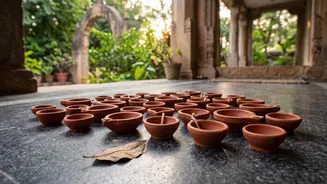
Beyond its spiritual meaning, every handmade diya carries an economic and social significance. Choosing to buy earthen lamps is a direct act of support for local artisans and potters, known as 'kumhars'. For many of these communities, who pass their craft down through generations, the festive season is their primary source of income for the entire year. In recent years, there has been a growing consciousness about the importance of this support, with a 'Made in India' sentiment encouraging consumers to opt for local handicrafts over mass-produced foreign goods. When you purchase a set of clay diyas from a street vendor, you are not just buying a decorative item; you are helping to sustain a family, preserve a traditional art form, and invest in a local, grassroots economy. It’s a small purchase that can make a world of difference to the artisans who are the backbone of our festive traditions.
An Earth-Friendly Radiance
In an era of growing environmental awareness, the earthen diya has found renewed relevance. Unlike plastic or electronic decorative lights, which contribute to landfill waste and pollution, clay diyas are completely natural and biodegradable. Made from the earth, they return to it harmlessly after use. This makes them a sustainable and eco-friendly choice for festive decorations. While the manufacturing of LED lights involves emission-intensive processes and their operation consumes electricity, traditional diyas have a negligible manufacturing footprint. Though the burning of oil does produce some emissions, the overall environmental impact is far less than that of their plastic and electronic counterparts, which often end up as toxic e-waste. Choosing clay diyas is a conscious decision to celebrate in a way that honours both tradition and the planet.
An Irreplaceable Sensory Experience
Finally, the appeal of the handmade diya is deeply sensory and emotional. Electric lights can replicate the brightness, but they cannot capture the holistic experience of a traditional lamp. There is a certain magic in the process: soaking the clay lamp, preparing the cotton wick, pouring the oil, and carefully lighting each one. The gentle, flickering glow of a real flame creates a unique ambiance of warmth and serenity that no bulb can imitate. It’s a ritual that connects us to our families and our past, a tangible link to generations who have celebrated in the very same way. The earthy scent of the clay, the warmth of the flame, and the quiet dance of light and shadow all combine to create a feeling of peace and festivity that is deeply ingrained in India's cultural memory.