


The Root of the Problem
At its core, the drainage 'chat' is all about one thing: preventing root rot. When water sits at the bottom of a pot, it drowns the roots, depriving them of the oxygen they need to function. This waterlogged environment becomes a breeding ground for fungi
and bacteria, which cause the roots to decay. Once root rot sets in, the plant can no longer absorb water or nutrients, leading to a swift decline. Proper drainage ensures that excess water escapes, allowing air to circulate and keeping the roots healthy and capable of supporting the plant.
Reading the Warning Signs
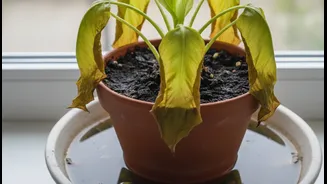
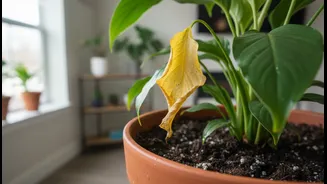
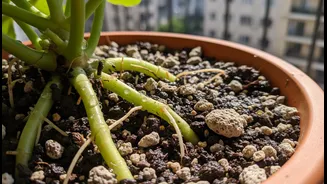
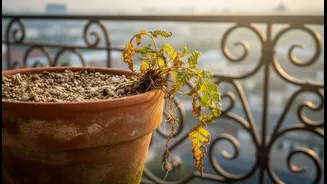
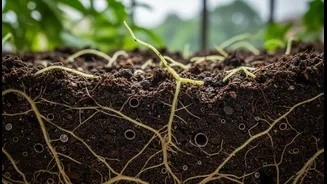
How do you know if your plant is suffering from poor drainage? The signs can often be misleading. A classic symptom is a plant that looks wilted and thirsty even when the soil is damp. This happens because the rotting roots have stopped absorbing water. Other telltale signs include yellowing lower leaves, stunted growth, and a musty or foul smell coming from the soil. If you're brave enough to check, healthy roots should be firm and white or light-coloured; rotted roots will be dark brown, mushy, and may fall apart when touched.
The Great Pot Debate: Holes are Non-Negotiable
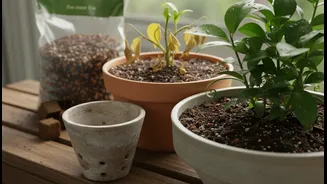
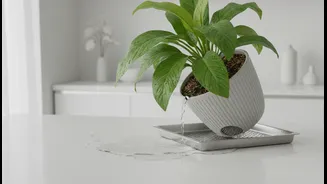
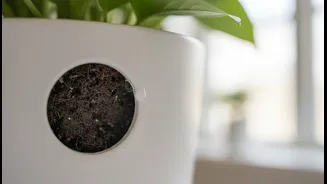
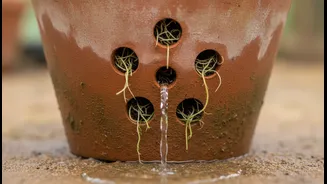
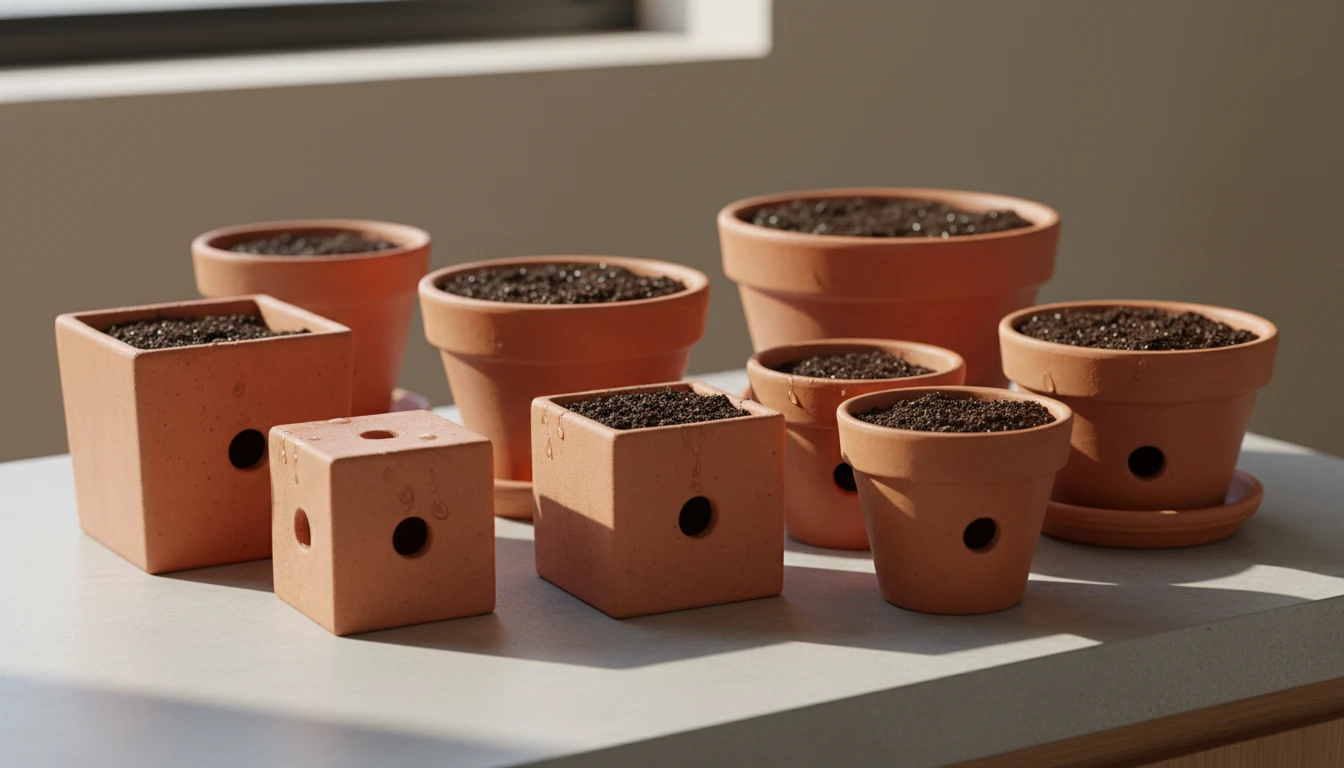
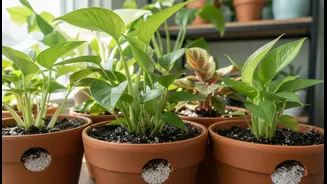
The simplest and most important step towards good drainage is choosing the right pot, and the golden rule is that it must have drainage holes. These openings allow excess water to flow out freely. Terracotta pots are a popular choice because their porous clay material allows air and water to pass through the sides, which helps the soil dry out more evenly and reduces the risk of root rot. Glazed ceramic pots, on the other hand, don't breathe and retain more moisture, making them suitable for plants that prefer consistent conditions, but only if they have holes. If you fall in love with a decorative pot that lacks holes, use it as a 'cachepot' by placing a smaller plastic nursery pot with drainage inside it.
It's What's Inside That Counts: The Soil Mix
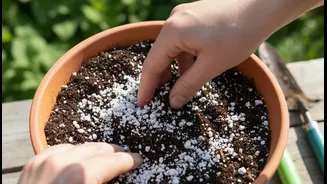
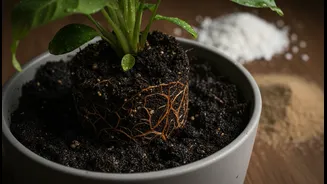
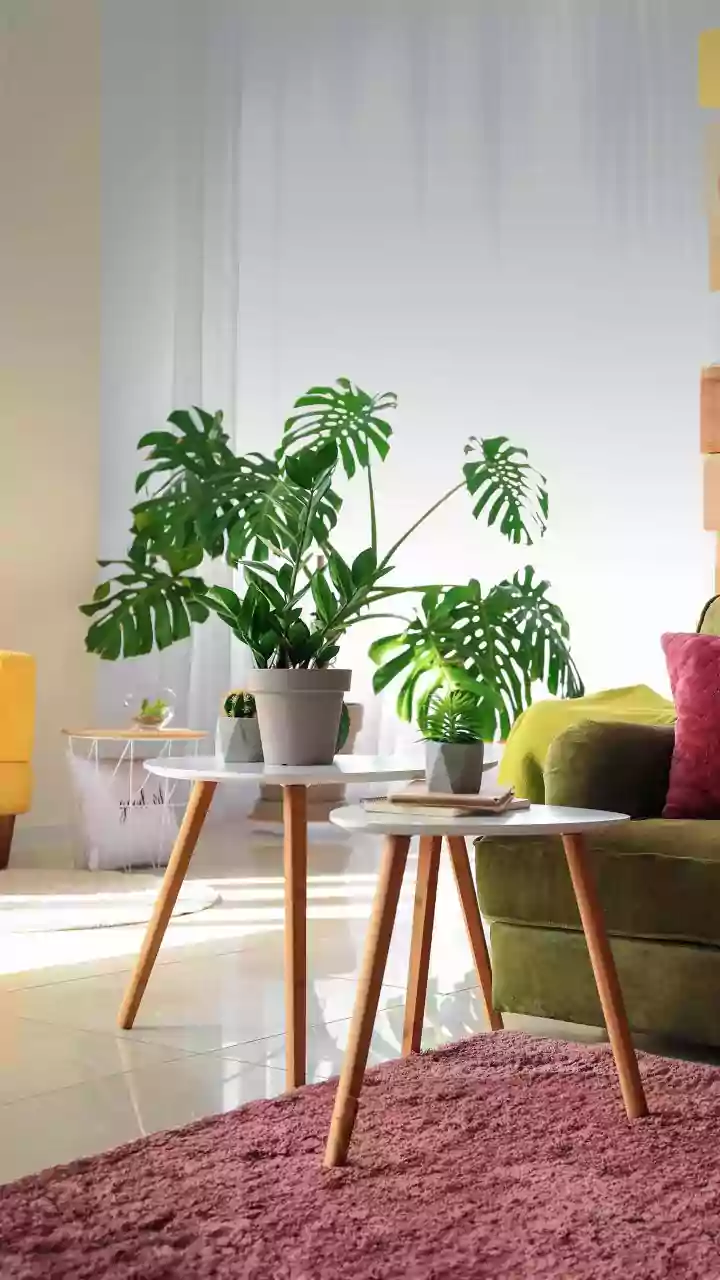
Standard potting soil is often too dense for many houseplants, retaining too much water and leading to compaction. The 'drainage chat' is full of tips for creating a lighter, airier soil mix. The key is to add amendments that create air pockets and improve water flow. Ingredients like perlite (small white volcanic glass), pumice, and orchid bark are fantastic for this. A popular and effective all-purpose DIY mix involves combining one part coco coir (a sustainable alternative to peat moss), one part perlite, and one part compost or worm castings. This blend provides a balance of moisture retention and excellent drainage, which is ideal for a wide range of common houseplants like Monsteras and Philodendrons.
Debunking a Common Drainage Myth
For years, a common piece of advice was to add a layer of gravel or rocks to the bottom of a pot without drainage holes to 'improve' it. However, soil science shows this actually makes things worse. Water does not move easily from a fine-textured material (like soil) to a coarse-textured one (like gravel) until the soil is completely saturated. This creates what's known as a 'perched water table'—a layer of stagnant water that sits directly on top of the rocks, right where the roots are. Instead of helping, this practice effectively raises the soggy bottom of the pot, reducing the amount of healthy soil available to the roots and increasing the risk of rot. The best solution is always a hole at the bottom of the pot.