







The Power of the Chill
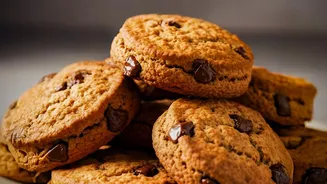
Chilling dough is perhaps the most well-known of these 'patience' steps, and for good reason. When it comes to cookies, chilling the dough before baking solidifies the fat (like butter). This is crucial because cold fat takes longer to melt in the oven,
which means your cookies spread less, resulting in a thicker, chewier final product. Beyond texture, chilling also concentrates flavor. As the dough rests in the cold, it gradually dries out, and the flour has more time to hydrate, which can intensify the taste and lead to better browning. Pastry chefs agree that for treats like chocolate chip cookies, this step is 100 percent worth it, with some recommending at least 8 hours and others noting that even 30 minutes can make a noticeable difference.
Let It Rest: The Secret to Tenderness
The instruction to 'let it rest' applies to everything from a freshly grilled steak to a kneaded ball of bread dough. For meat, resting is non-negotiable for juiciness. During cooking, the muscle fibers tighten and push moisture toward the center of the cut. If you slice into it immediately, all those flavorful juices will pool on your cutting board, leaving you with a dry, less flavorful piece of meat. Allowing the meat to rest for 5 to 20 minutes (depending on the size) gives the fibers time to relax and reabsorb that moisture, distributing it evenly throughout the cut for a more tender and succulent result. For bread dough, resting has a different but equally important function. It allows the gluten network, which you’ve developed through kneading, to relax. This makes the dough easier to shape and handle. More importantly, resting time is when the yeast gets to work, fermenting sugars to produce carbon dioxide gas for lift and other byproducts that create the complex, tangy flavors of artisanal bread.
Cool It Down: The Foundation of a Flawless Finish
The final act of patience is cooling, especially critical in baking. Have you ever tried to frost a warm cake? The result is often a goopy, sliding mess. That's because the fats in frosting, like butter, will melt when they come into contact with a warm surface. A completely cool cake provides a stable structure for frosting to adhere to, preventing tearing and stopping pesky crumbs from getting into your smooth finish. The cooling process is an extension of the baking itself; it’s when the structure of the cake fully sets as starches gelatinize and fats solidify. To cool a cake properly, it’s best to let it sit in the pan for about 10 to 15 minutes before turning it out onto a wire rack. This allows air to circulate all around, ensuring it cools evenly and completely before you even think about decorating. Some bakers even recommend chilling the cooled layers before frosting to make them firmer and easier to handle.
Planning for Pauses
Incorporating these steps into your cooking doesn't have to be a burden. It simply requires a shift in planning. If you want fresh cookies for a weekend gathering, make the dough on a Friday and let it chill overnight. If a steak is on the menu for dinner, factor in the 10-minute rest time when you plan your side dishes. These inactive periods are not wasted time; they are an essential ingredient. They are opportunities to clean up, prepare the next component of your meal, or simply take a moment to breathe. By embracing chilling, resting, and cooling, you’re not just following a recipe—you’re respecting the science of food and guaranteeing a more delicious outcome for your efforts.