

A Modern Twist on Tradition
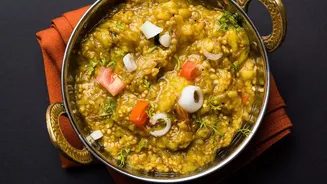
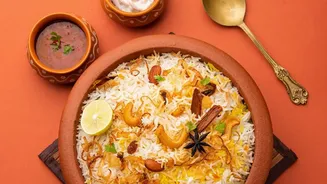
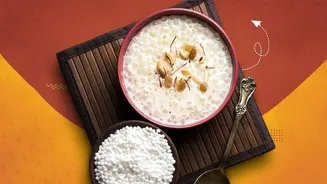
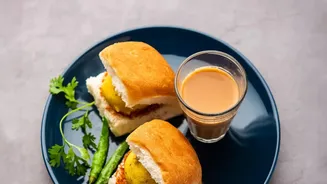
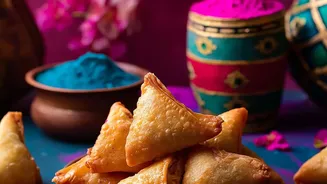
The heart of Indian festive cooking has always been its time-honoured recipes, passed down through generations. The aroma of cardamom-laced kheer, the crispness of a perfectly fried samosa, and the richness of a slow-cooked biryani are non-negotiable
parts of any celebration. However, a new wave of culinary curiosity is encouraging home cooks and chefs to look at these beloved classics with fresh eyes. This isn't about replacing tradition, but rather about enhancing it. The trend involves weaving international flavours into the Indian culinary fabric, creating dishes that are both comforting and surprising. It’s a reflection of a more connected world, where a home cook in Mumbai might experiment with Japanese matcha while a chef in Delhi might incorporate Mexican chipotle into a marinade. This culinary exchange is driven by a generation that has travelled widely, browses global food trends on social media, and is eager to bring new experiences to the festive table without losing the essence of what makes the food special.
Reimagining Festive Sweets
Mithai, the soul of any Indian festival, is seeing some of the most exciting transformations. Traditional sweets are being creatively fused with global dessert concepts and ingredients. Imagine biting into a gulab jamun that has been reimagined as a fluffy, eggless cupcake or a delicate truffle coated in white chocolate. Bakers are infusing classic recipes with new flavours, resulting in creations like masala chai-spiced cheesecakes, saffron crème caramel, and rose and pistachio cream horns made with puff pastry. European dessert elements are also making an appearance, with croissants being stuffed with rich almond halwa and tiramisu getting a mango-flavoured makeover. Even classic barfis and pedas are getting a contemporary facelift with additions like Nutella, coffee, and butterscotch, blending the familiar milky sweetness with indulgent new tastes. These fusions honour the core flavour while offering a novel texture and presentation.
A New Look for Savoury Classics
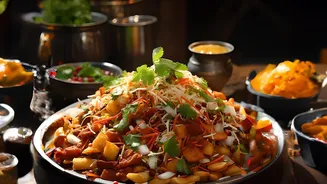
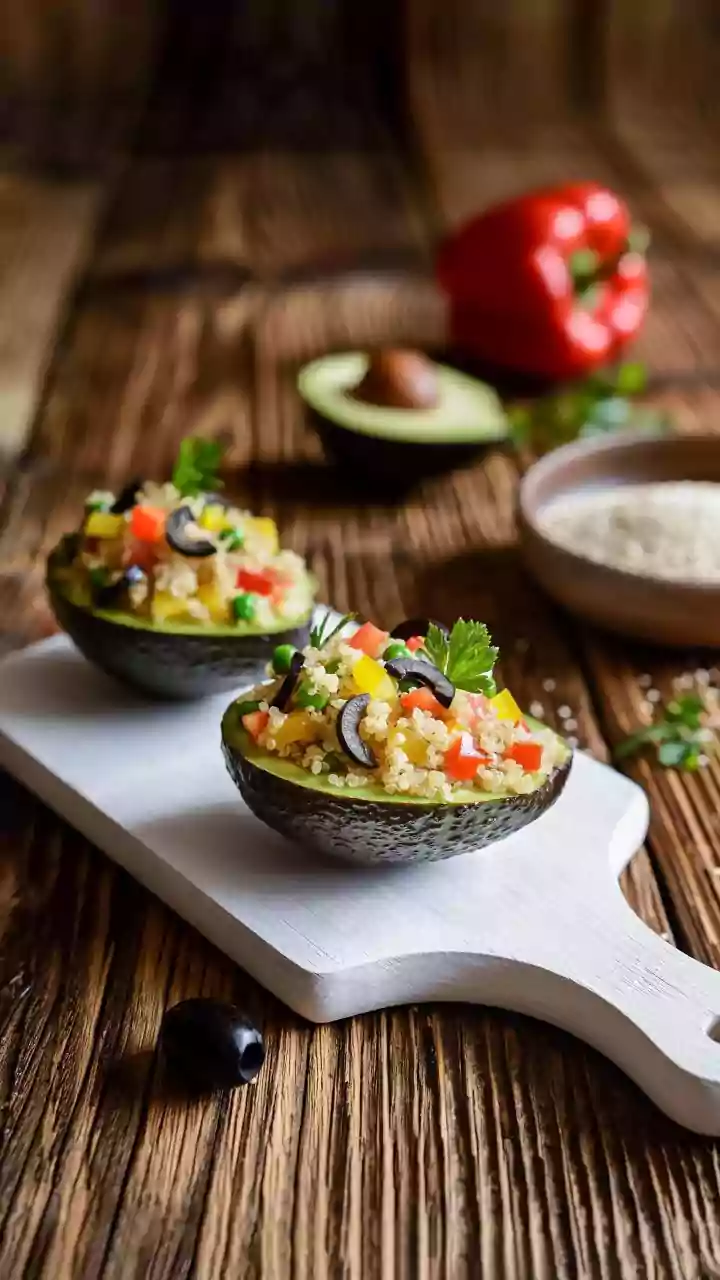
The innovation isn't limited to sweets. Savoury festive staples are also being reimagined with a global pantry and a health-conscious mindset. Techniques like baking and air-frying are becoming popular alternatives to deep-frying for snacks like samosas and pakoras, offering a lighter take without sacrificing the crunch. Ingredients from around the world are adding new dimensions to classic dishes. For example, some cooks are making dosa spring rolls, filling the fermented rice crepe with stir-fried vegetables seasoned with soy and chilli-garlic sauce. Health-focused grains like quinoa and millets are being used as a base for modern versions of kheer and other dishes, providing a nutritious substitute for white rice. Even everyday chaat is getting a modern update, with chefs experimenting with canapés and tart shells as a base for the spicy, tangy, and sweet chutneys, creating bite-sized explosions of flavour.
It's All About Confident Cooking
So, what’s driving this delicious evolution? It's a sign of confidence in Indian cuisine. Chefs and home cooks are no longer just preserving recipes; they are actively participating in their evolution. This trend is powered by several factors: increased access to global ingredients, the powerful influence of food bloggers and social media showcasing what’s possible, and a growing desire for healthier, more modern interpretations of festive food. People want to celebrate with the flavours they grew up with, but they are also open to presenting them in new and exciting ways. This blend of nostalgia and novelty allows for personal expression in the kitchen, turning every festival into an opportunity to create new traditions. It’s a culinary dialogue between the past and the present, where a dish can be both authentically Indian and globally inspired at the same time.