
Loktak Lake, Manipur: The Floating World
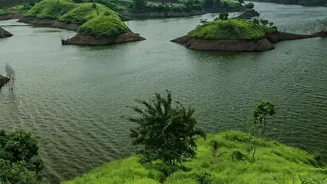
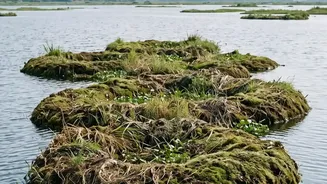
Loktak Lake is not just a body of water; it’s a living ecosystem unlike any other in the world. As the largest freshwater lake in Northeast India, its surface is dotted with 'phumdis'—thick, floating islands of vegetation, soil, and organic matter. These
phumdis are so robust that local fishermen build their homes, or 'phumsangs', upon them, creating a surreal landscape of floating villages. The most remarkable of these phumdis forms the Keibul Lamjao National Park, the world's only floating national park. This sanctuary is the last natural habitat of the endangered Sangai, Manipur’s graceful 'dancing deer', which can be spotted moving delicately across the buoyant grasslands. A boat ride here isn’t just a tour; it’s an immersion into a unique way of life, where the boundary between land and water dissolves.
Gurudongmar Lake, Sikkim: A Sacred Expanse
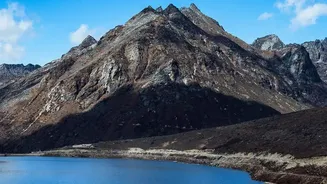
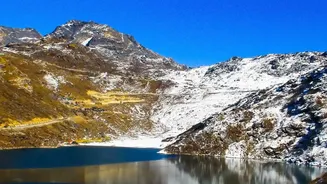
Set at a breathtaking altitude of over 17,000 feet, Gurudongmar Lake in North Sikkim is a place of profound spiritual significance and stark, ethereal beauty. Considered sacred by Buddhists, Sikhs, and Hindus, the lake is named after Guru Padmasambhava, the 8th-century founder of Tibetan Buddhism. Legend has it that he blessed a portion of the lake, ensuring it never freezes, even in the harshest winters, to provide drinking water for the local people. Another tradition links a similar miracle to Guru Nanak. Surrounded by snow-dusted, barren peaks, the lake’s crystal-clear, turquoise water is a startling splash of colour in the high-altitude desert. The thin air and overwhelming silence, punctuated only by the flutter of prayer flags, make a visit to Gurudongmar a truly humbling and otherworldly experience.
Sela Lake, Arunachal Pradesh: The Paradise Lake
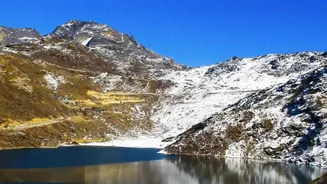
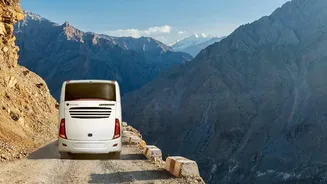
Close to the formidable Sela Pass, at an elevation of about 13,700 feet, lies the pristine Sela Lake, often called 'Paradise Lake' for its stunning beauty. For the local Monpa tribe, this is one of 101 sacred lakes in Tibetan Buddhism. The journey to Sela Lake is as dramatic as the destination itself, with winding roads offering spectacular views of the Eastern Himalayas. During winter, the lake often freezes over completely, transforming the landscape into a glistening white wonderland. The air is crisp and cold, and the landscape is rugged, with sparse alpine vegetation. The lake holds not just spiritual value but also historical significance tied to the 1962 Sino-Indian War, adding another layer to its profound identity. It's a place where natural splendour and sacred history converge.
Umiam Lake, Meghalaya: The Scottish Loch of the East
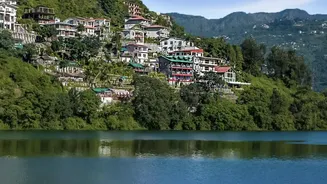
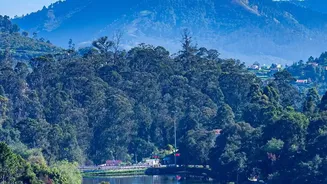
A stark contrast to the high-altitude glacial lakes, Umiam Lake in Meghalaya is a sprawling man-made reservoir often likened to the lochs of Scotland. Created in the early 1960s by damming the Umiam River, this vast body of water, also known as 'Bara Pani' or big water, is a popular hub for recreation and relaxation just a short drive from Shillong. Surrounded by the rolling Khasi Hills and lush pine forests, the lake’s calm waters are perfect for a variety of activities, from boating and kayaking to water skiing. Unlike the remote austerity of Gurudongmar or Sela, Umiam offers a more accessible charm. It’s a place for picnics, leisurely strolls in the adjacent Nehru Park, and watching the sunset paint the sky over the water. It showcases a different, more pastoral side of the Northeast’s aquatic treasures.