

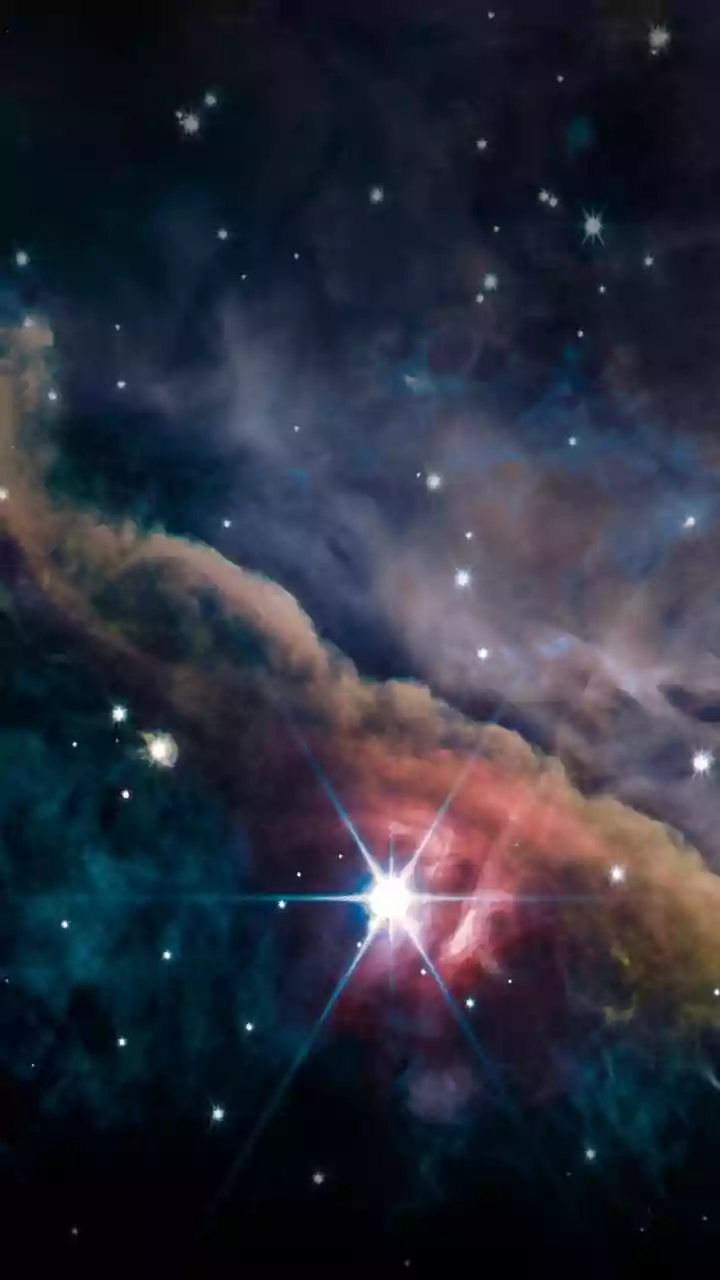






Embrace the Monsoon Sky
For many in India, July means the welcome relief of monsoon rains. But for sky-watchers, it presents a unique challenge: clouds. It might seem counterintuitive, but July is one of the most rewarding months for astronomy. The core of our own galaxy, the Milky
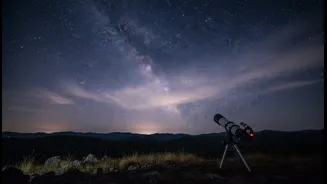
Way, is perfectly positioned for viewing. The key is not to wait for a perfectly clear night—which may not come—but to embrace 'cloud-gap' stargazing. The air between showers is often incredibly clear, washed clean of dust and haze. These brief windows are your golden opportunities, requiring patience and a good weather app.
Planetary Parade Before Dawn
Throughout the month, early risers will be treated to a beautiful gathering of planets in the eastern sky. Saturn will be a steady, golden presence. On the mornings of July 7th and 8th, the Moon joins Saturn, creating a lovely pairing. A few days later, on July 11th and 12th, a waning crescent Moon forms a stunning celestial triangle with reddish Mars and the sparkling Pleiades star cluster, also known as the Seven Sisters. While you can enjoy these sights with the naked eye, a pair of binoculars will enhance the view, revealing the craters of the Moon and the many stars of the Pleiades.
Evening Encounters and a Bright Comet
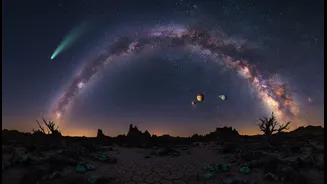
The evenings have their own share of drama. Look to the west after sunset for the brilliant planet Venus. On July 17th, a slender crescent Moon will appear close to Venus, a beautiful but brief sight just after twilight. Keep an eye out for Comet 10P/Tempel 2, which will be making its way through the constellation Capricornus. While it may require binoculars or a small telescope early in the month, it is expected to brighten and could become a rewarding target during the darkest nights.
The Grandeur of the Milky Way
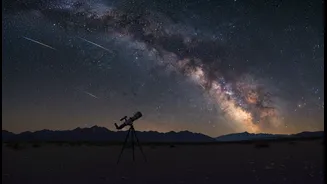
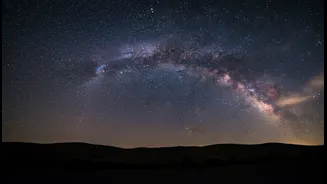
The true showstopper of the July sky is the Milky Way. Our galaxy's dense, star-filled core is at its most visible, arching across the sky like a luminous river. To see it, you need to escape city lights and, crucially, moonlight. The period around the new moon on July 14th provides the darkest skies and the best opportunity for viewing. Find a location with a clear southern horizon, let your eyes adapt to the darkness for at least 20 minutes, and look for a faint, cloudy band stretching overhead. What you are seeing is the combined light of billions of stars, too distant to be seen individually.
Catch a Falling Star (or Two)
July ends with the peak of not one, but two meteor showers on the nights of July 30th and 31st: the Southern Delta Aquariids and the Alpha Capricornids. The Delta Aquariids can produce up to 20-25 meteors per hour from a dark site, though a bright Moon this year might wash out the fainter ones. However, the shower is known for being active over a long period, so you might catch some meteors earlier in the week during the moon-free morning hours. The Alpha Capricornids produce fewer meteors but are known for their bright, slow-moving fireballs—a truly spectacular sight.
Tips for Successful Monsoon Stargazing
Success lies in preparation. Use weather apps with satellite and radar maps to spot incoming cloud breaks. Locations like Malshej Ghat in Maharashtra or the hills around Coorg in Karnataka are known for offering clear spells between rains. A spot with a clear, unobstructed horizon is more important than ever. Be ready to move quickly. Have your gear (binoculars, a comfy chair, a red-filtered torch to preserve night vision) packed and ready to go. Most importantly, be patient. The fleeting, perfect moment when the clouds part to reveal the cosmos is what makes monsoon stargazing so magical.