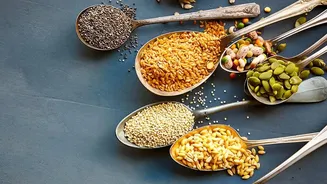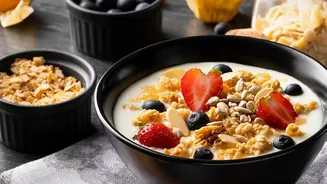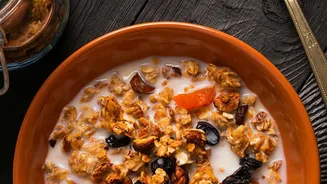


Starting your day with a balanced meal is key for managing blood sugar. Adding nutrient-dense seeds to your breakfast is a simple, effective strategy. Here are five powerful seeds and how to pair them with your favourite Indian breakfasts.
Chia Seeds: The Fibre Powerhouse
Chia seeds are
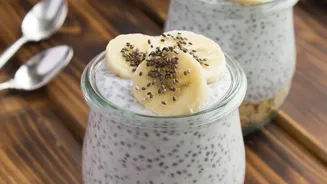
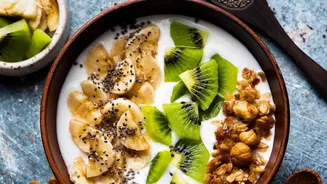
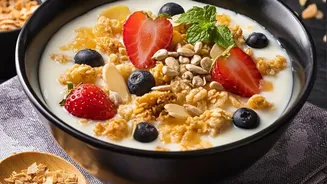
celebrated for their high content of soluble fibre, which slows digestion and helps prevent sharp spikes in blood sugar after a meal. This fibre forms a gel-like substance when soaked, promoting a feeling of fullness that can aid in weight management. With a low glycemic index, chia seeds cause a gradual release of glucose into the bloodstream. They are also a good source of omega-3 fatty acids and magnesium, which support heart health and metabolic function. For a simple morning boost, stir a tablespoon of soaked chia seeds into a bowl of dahi (curd) or plain oatmeal. You can also add them to smoothies or sprinkle them over egg bhurji just before serving to add texture without altering the flavour.
Flaxseeds: Rich in Lignans and Omega-3s
Flaxseeds, or alsi, are packed with alpha-linolenic acid (ALA), a plant-based omega-3 fatty acid, and lignans, which have antioxidant properties that may improve insulin sensitivity. Their high fibre content is crucial for blood sugar control, as it slows the absorption of sugar and carbohydrates. Studies suggest that regular consumption of flaxseed can contribute to lower blood sugar levels in individuals with type 2 diabetes. For the best nutritional benefit, it is recommended to consume flaxseeds ground, as whole seeds can pass through the digestive system intact. A very practical way to include them is by mixing a tablespoon of ground flaxseed into the dough for rotis or theplas. You can also stir it into savoury daliya, porridge, or make a traditional 'podi' or dry chutney to have with idli and dosa.
Pumpkin Seeds: A Magnesium Boost
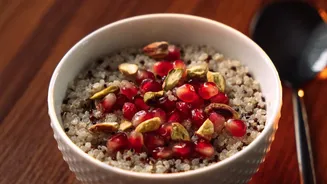
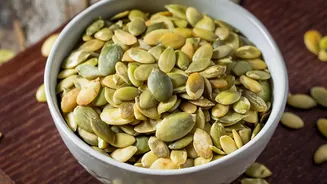
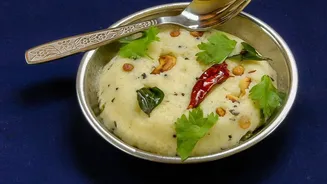
Pumpkin seeds (pepitas) are a fantastic source of magnesium, a mineral that plays a vital role in glucose metabolism and insulin function. Many people with diabetes have low magnesium levels, making these seeds a valuable dietary addition. They have a very low glycemic index and are rich in healthy fats, fibre, and protein, all of which contribute to stable blood sugar and a feeling of fullness. The combination of these nutrients helps slow down digestion and prevent energy crashes. You can easily add a spoonful of raw or lightly roasted pumpkin seeds as a crunchy topping for poha, upma, or savoury oats. They also work wonderfully in a green chutney served with cheela or dosa, or simply sprinkled over a bowl of curd.
Sunflower Seeds: Full of Healthy Fats and Vitamin E
Sunflower seeds are notable for their content of healthy monounsaturated and polyunsaturated fats, protein, and fibre, which work together to slow stomach emptying and allow for a more gradual release of sugar from carbohydrates. They are also one of the best natural sources of vitamin E, an antioxidant that helps combat inflammation, a common issue for individuals with diabetes. Some studies have shown that daily consumption of sunflower seeds may help reduce fasting blood sugar over time. For an easy breakfast addition, sprinkle a tablespoon of unsalted sunflower seeds over vegetable upma or add them to a sprout salad. Their mild, nutty flavour also pairs well when mixed into a paneer bhurji or a bowl of dahi.
Sesame Seeds: An Anti-Inflammatory Staple
Sesame seeds (til) have been used in traditional Indian medicine for centuries and offer significant health benefits. They are rich in healthy fats, protein, and compounds like sesamin, which have anti-inflammatory and antioxidant properties. The combination of fibre and healthy fats helps in regulating blood sugar by slowing down carbohydrate absorption. Sesame seeds are also a good source of magnesium, which is crucial for insulin function. Research suggests that compounds in sesame may help lower blood glucose levels. A simple way to incorporate them is by making a til chutney to accompany idli or dosa. You can also add toasted sesame seeds to sabudana khichdi or use them as a tempering (tadka) for dishes like poha.