








Beyond the Bhajiya
For decades, the idea of “monsoon food” in urban India has been a fairly uniform affair: piping hot samosas, crispy bhajiyas, and perhaps a plate of corn on the cob, roasted over coals. While these classics are undeniably comforting, a significant culinary
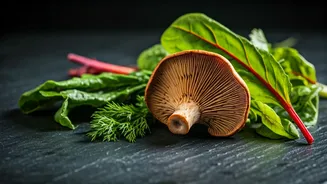
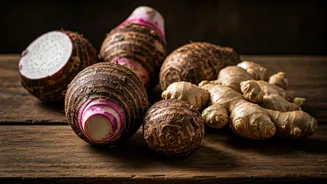
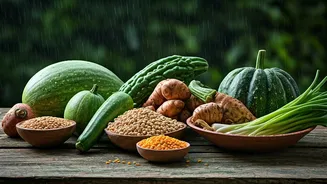
shift is underway. Chefs, home cooks, and food enthusiasts are looking past these pan-Indian favourites and digging deeper into their own backyards. The new monsoon trend isn’t about a single dish; it’s about embracing a philosophy of eating what grows locally and seasonally, specifically during the rains. This means celebrating ingredients that thrive in the damp earth—foraged greens, wild mushrooms, unique tubers, and region-specific vegetables that our grandparents knew intimately but which had faded from the mainstream.
Roots of the Revival
Why this change now? Several factors are converging. Firstly, there's a growing awareness of health and wellness. Many traditional monsoon ingredients are nutritional powerhouses. Foraged greens, for instance, are packed with micronutrients, and traditional preparations often align with Ayurvedic principles of eating for the season to boost immunity and aid digestion. Secondly, sustainability is a major driver. Eating local and seasonal produce drastically reduces the carbon footprint associated with transporting food over long distances. It also supports local farmers and preserves biodiversity by creating demand for indigenous crops that might otherwise be forgotten. Finally, there's a powerful cultural element at play—a renewed sense of pride in regional heritage and a nostalgic desire to reconnect with the flavours of one's childhood and ancestry.
A Taste of the Regions
This hyperlocal trend looks wonderfully different across India. In Maharashtra, urban menus are rediscovering vegetables like shevla (dragon stalk yam), which is used to make a delicious bhaji, and phodshi (a wild green), often cooked simply with garlic. The classic alu vadi, made from colocasia leaves, is seeing a resurgence. In West Bengal, the monsoon means a celebration of hilsa fish, but also of lesser-known greens like ‘kochu shaak’ (colocasia stems). Further north, in the Himalayan foothills of Uttarakhand and Himachal, the monsoon brings ‘lingri’ or ‘lingdu’ (fiddlehead ferns), which are foraged and turned into a tangy, savoury vegetable dish. In the south, Kerala’s Karkidakam (the monsoon month in the Malayalam calendar) has its own wellness-focused diet, including the ‘karkidaka kanji’, a medicinal rice porridge made with special herbs and spices to build strength during the wet season. These are not new inventions; they are rediscoveries.
Chefs and Social Media as Champions
This movement from niche to mainstream is being accelerated by two key forces: chefs and social media. Progressive chefs in Mumbai, Delhi, Bengaluru, and Kolkata are championing these ingredients, creating special monsoon menus that educate diners as much as they delight them. By putting a wild mushroom galouti kebab or a fiddlehead fern pickle on their menu, they give these humble ingredients a new, aspirational status. Simultaneously, Instagram and food blogs have become virtual encyclopaedias for regional cuisine. Home cooks are sharing family recipes, posting videos of foraging trips, and creating a vibrant community around the rediscovery of local food traditions. A picture of a perfectly made ‘patode’ (Besan-stuffed colocasia leaf rolls) from Uttar Pradesh can inspire hundreds to seek out the ingredients and try the recipe, effectively reviving a dish one post at a time.