








The Daily Glow Myth
The promise of instantly brighter, smoother skin is tempting, and exfoliation certainly delivers on that front by removing the top layer of dead skin cells. This immediate result makes it easy to fall into the trap of thinking that more is better. Many
people start exfoliating daily, hoping to maintain that fresh-faced look and prevent clogged pores. However, this approach often backfires. Your skin has a natural process of shedding and renewing cells, and aggressive daily exfoliation can disrupt this delicate balance, stripping the skin of its essential natural oils and protective barrier.
Signs You're Doing Too Much
How do you know if you've crossed the line from helpful to harmful? Your skin will tell you. One of the most common signs of over-exfoliation is a feeling of tightness, dryness, or persistent irritation. You might notice that your usual skincare products suddenly start to sting or burn upon application. Another tell-tale sign is an unusual shiny or waxy appearance, which is not a healthy glow but rather a sign that the skin's surface has been stripped. Counterintuitively, over-exfoliation can also lead to more breakouts as the compromised skin barrier becomes inflamed and vulnerable to bacteria.
Understanding Your Skin Barrier
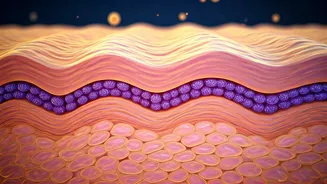
Think of your skin barrier, or stratum corneum, as a protective shield. It’s made of skin cells held together by lipids, and its job is to keep moisture in and irritants out. When you exfoliate too often, you wear down this shield faster than your body can repair it. This leads to tiny gaps in the barrier, causing transepidermal water loss (dehydration) and leaving your skin susceptible to environmental stressors and inflammation. A damaged barrier can’t do its job properly, which is why you experience symptoms like redness, sensitivity, and dryness.
Finding Your Exfoliation Sweet Spot
So, how often should you exfoliate? There is no one-size-fits-all answer, as it largely depends on your skin type. For most people, dermatologists recommend exfoliating just two to three times per week. If you have dry or sensitive skin, once a week is often sufficient. Those with oily or combination skin may be able to tolerate exfoliating up to three times a week. It's crucial to start slow and pay attention to how your skin responds, adjusting your frequency accordingly. The goal is to support your skin's natural cell turnover cycle, not take it over completely.
How to Repair Over-Exfoliated Skin
If you suspect you've damaged your skin barrier, the first and most important step is to stop all forms of exfoliation immediately. This includes scrubs, brushes, acids (like AHAs and BHAs), and retinoids. Simplify your routine to the bare essentials: a gentle cleanser, a barrier-supporting moisturiser, and daily sunscreen. Look for products with ingredients like ceramides, hyaluronic acid, and niacinamide, which help to rebuild the barrier and lock in moisture. Be patient; it can take anywhere from a few days to several weeks for your skin to fully recover, depending on the extent of the damage.