






The Return of a Heritage Drink
Long before kombucha became a café staple, many North Indian homes had their own secret weapon for wellness fermenting in a glass jar under the sun: Kanji. Traditionally made with black carrots, mustard seeds, and salt, this drink was a seasonal ritual,
especially enjoyed during the transition from winter to spring. Now, this humble, homemade beverage is experiencing a renaissance. Driven by a renewed interest in traditional foods and a global obsession with gut health, Kanji is moving from being a nostalgic memory to a year-round wellness staple in metropolitan homes across India.
What Exactly Is Kanji?
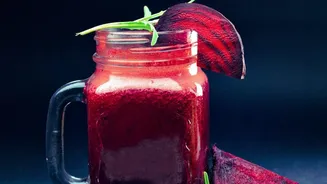
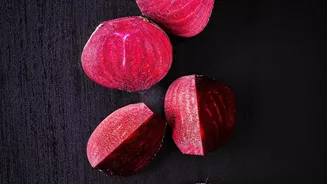
At its core, Kanji is a naturally fermented drink. The process is simple: black carrots (or sometimes beetroot for a similar colour) are chopped and placed in water with coarsely ground mustard seeds, salt, and sometimes red chilli powder. This mixture is then left to ferment in a glass or ceramic jar, often in the sun, for several days. During this time, beneficial bacteria, primarily from the Lactobacillus family, get to work. They break down the natural sugars in the carrots, producing lactic acid. This not only preserves the drink but also gives Kanji its signature tangy, pungent, and slightly earthy flavour—an acquired taste that is deeply refreshing.
A Probiotic Powerhouse for Gut Health
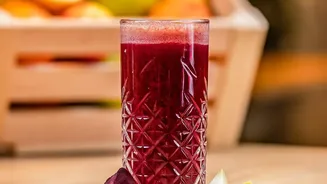
The modern appeal of Kanji lies in one word: probiotics. The fermentation process transforms it into a beverage teeming with live, beneficial bacteria that are excellent for digestive health. These probiotics help balance the gut microbiome by promoting the growth of good bacteria, which can improve digestion, enhance nutrient absorption, and reduce issues like bloating and constipation. Scientific studies have identified multiple strains of probiotic bacteria in Kanji. Beyond probiotics, the drink is also a source of antioxidants, particularly anthocyanins from the black carrots, which give it its vibrant purple hue. These compounds help fight oxidative stress in the body. The drink is also low in calories and hydrating, making it a healthy alternative to sugary beverages.
More Than Just a Health Trend
While the gut health benefits are a major driver of its current popularity, for many, Kanji is steeped in nostalgia. It represents a connection to ancestral food wisdom and seasonal eating cycles. The revival is part of a broader cultural shift in India, where there is a growing appreciation for indigenous foods and traditional preparations that were once pushed aside for processed, commercial products. Unlike trendy global health drinks, Kanji is affordable, sustainable, and rooted in the Indian culinary landscape. Its comeback signifies a return to practices that are not only good for individual health but also for preserving cultural heritage.
Bringing Kanji to Your Kitchen
One of the best parts about Kanji's resurgence is its simplicity. Making it at home requires no special equipment, just a large glass jar and a few basic ingredients. The key is to use clean utensils and allow nature to take its course. After washing, peeling, and cutting black carrots into batons, they are placed in a jar with boiled and cooled water. Coarsely ground mustard seeds, black salt, and a touch of red chilli powder are added and stirred. The jar is then covered with a muslin cloth and left in a sunny spot for three to five days, with a daily stir. The drink is ready when it develops a tangy aroma and flavour. The finished Kanji can be stored in the refrigerator and enjoyed chilled, often with the crunchy carrot pieces served in the glass.