



A Game-Changer for Wildlife Tourism
Central India, home to iconic national parks like Kanha, Bandhavgarh, and Pench, has long been a top destination for wildlife enthusiasts. However, travel between these parks, or even reaching them from major cities, often required expensive private taxis
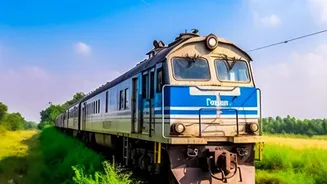
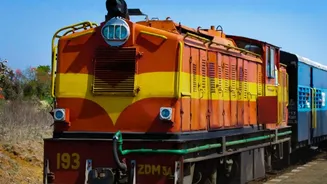
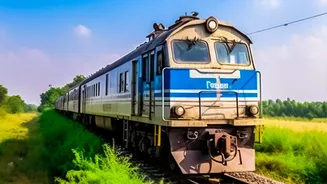
and careful logistical planning. The introduction of dedicated overnight train routes connecting key hubs like Nagpur and Jabalpur is a significant development. These services are designed to link different wildlife circuits, allowing travelers to move between the gateways to various tiger reserves seamlessly. By travelling through the night, visitors not only save precious daylight hours but also cut down on the cost of an overnight hotel stay, making the entire proposition far more budget-friendly. This approach aims to boost local tourism by making these natural treasures more accessible to a wider range of travelers, from solo adventurers to families on a weekend break.
Connecting the Tiger Corridors
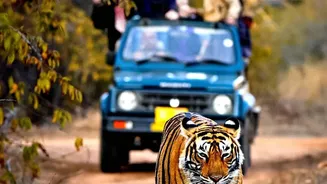
The core of this initiative lies in connecting the region's two main wildlife hubs: Nagpur in Maharashtra and Jabalpur in Madhya Pradesh. Nagpur serves as the primary entry point for Pench Tiger Reserve (the fabled land of 'The Jungle Book') and Tadoba-Andhari Tiger Reserve. Jabalpur, on the other hand, is the gateway to the sprawling forests of Kanha and the tiger-dense Bandhavgarh National Park. Previously, travelling between the Pench and Kanha circuits involved a road journey of four to five hours, often costing a significant amount. New overnight train routes bridge this gap directly. A tourist can now, for instance, finish an evening safari in Pench, travel to Nagpur to board a train, and wake up in Jabalpur with a full day ahead to transfer to Kanha for their next adventure. These routes effectively create an integrated Central Indian wildlife circuit, simplifying what was once a multi-step, expensive journey.
The Budget and Time Advantage
The most compelling advantage of these train services is the dual saving of time and money. An overnight train ticket in a sleeper or AC coach is significantly cheaper than a mid-range hotel room. By travelling while you sleep, you eliminate one night's accommodation cost from your itinerary. This is especially beneficial for budget-conscious travelers who can reallocate those funds towards more jungle safaris or better lodging near the parks. Furthermore, the time saved is invaluable for a short weekend trip. Instead of spending a large part of a day on the road, you arrive at your destination refreshed in the morning, ready to explore. This efficiency transforms a trip that might have required four or five days into a feasible long weekend adventure, making it possible to depart from a city on a Friday night and be back by Monday morning.
Planning Your Weekend Jungle Trip
A typical weekend trip using these new services can be remarkably straightforward. For example, a traveler from Mumbai or Delhi can reach Nagpur via a mainline train or flight. From there, you could spend a day at Pench National Park. That evening, instead of staying in a local hotel, you could board an overnight train to Jabalpur. You would arrive early the next morning, transfer to a pre-booked vehicle for the three to four-hour drive to Kanha National Park, and be in time for an afternoon safari. After spending Sunday exploring Kanha, you could take an evening train from Jabalpur back to your home city or to Nagpur to catch a connecting flight. The key to a smooth journey is planning. Train tickets should be booked well in advance on the IRCTC website, and safari permits for the national parks must be secured online from the respective state's forest department portal, as they are often sold out weeks ahead.