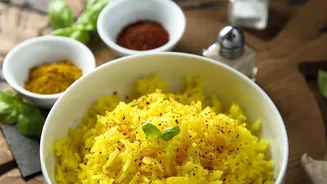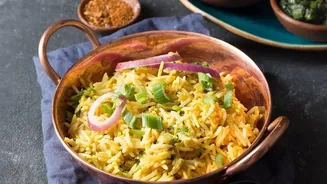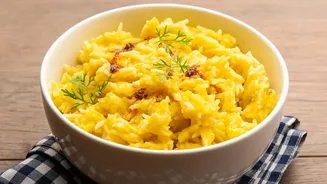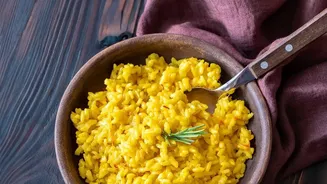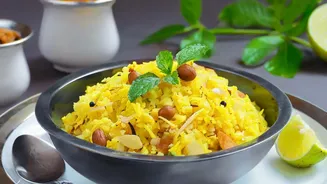



A special lunch at home calls for something more than the everyday. With a pinch of saffron, you can transform a simple rice dish into a fragrant, golden centrepiece that feels both luxurious and deeply comforting. It's the secret to elevating any meal.
The Allure of the Golden Spice
Saffron, known as 'kesar' in India, is more than just a spice; it's an experience. Harvested by hand from the Crocus sativus flower, its crimson threads carry an unmatched floral aroma, a subtly earthy flavour, and the power to turn food a brilliant gold. This is why it's the world's most prized spice and a symbol of luxury and celebration in cuisines from India to Spain. Its ability to infuse dishes with a complex character makes it a favourite for chefs and home cooks looking to create something memorable. A small amount is enough to perfume an entire dish, making it an accessible indulgence.
Choosing and Storing Your Saffron
The quality of your saffron rice depends entirely on the quality of the threads. When buying, look for deep, all-red threads, as yellow or white parts have no flavour. Genuine saffron has a sweet, floral smell, but its taste is slightly bitter. To check for authenticity, you can do a simple colour test: pure saffron will slowly release a beautiful golden-orange hue when steeped in warm water. Because it's sensitive to light, heat, and moisture, proper storage is crucial. Keep your saffron in a small, airtight container in a cool, dark cupboard away from the stove. Avoid the refrigerator, as condensation can ruin its delicate potency.
The Secret to a Vibrant Colour
To get that signature colour and flavour, saffron threads need to be 'bloomed'. Simply adding them directly to your rice won't unlock their full potential. The best method is to gently crush a generous pinch of saffron threads, perhaps using a mortar and pestle. Then, steep the crushed threads in a few tablespoons of warm water, milk, or broth for at least 15-20 minutes before you start cooking. You'll see the liquid turn a deep, radiant orange. This infused liquid, added to your pot, will distribute the colour and aroma evenly throughout the rice, ensuring every grain is perfumed.
Mastering the Saffron Pulao
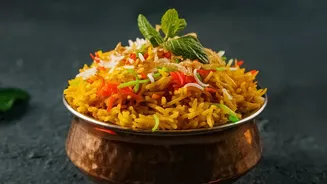
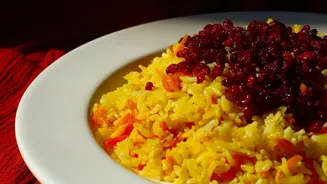
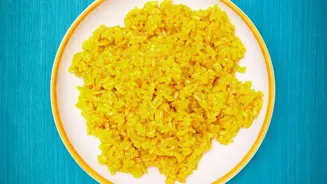
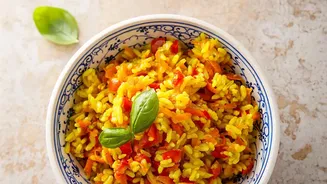
A Zafrani Pulao is a perfect starting point. It’s a one-pot dish where basmati rice is cooked in a seasoned liquid, allowing it to absorb all the flavours harmoniously. Start by rinsing high-quality basmati rice until the water runs clear, then soak it for about 30 minutes. In a pot, gently heat ghee or oil and add whole spices like green cardamom, cloves, and a cinnamon stick. Add the drained rice and sauté gently before pouring in the bloomed saffron liquid along with water or a light stock. Cook covered on low heat until the rice is tender and all the liquid is absorbed. The result is a dish where every grain is subtly fragrant and uniformly coloured, offering a comforting and elegant base for your meal.
For a Grand Occasion: The Biryani
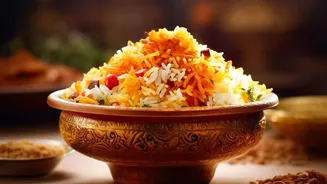
While a pulao is about harmony, a biryani is about drama and layers. Here, the rice is par-cooked separately. The main ingredient, be it vegetables, paneer, or meat, is cooked in a rich, spicy masala. Then, the magic happens: layers of partially cooked rice and masala are assembled in a pot. Saffron-infused milk is often drizzled between these layers, creating pockets of colour and fragrance. The pot is then sealed and cooked on very low heat ('dum') to allow the steam to fuse the flavours together. When you serve it, you get a beautiful contrast of white and golden grains, each with a different intensity of flavour. This makes biryani a true centrepiece for a feast.
Pairing and Presenting Your Dish
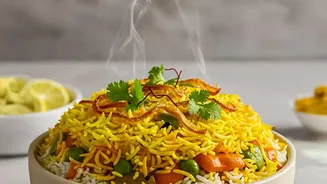
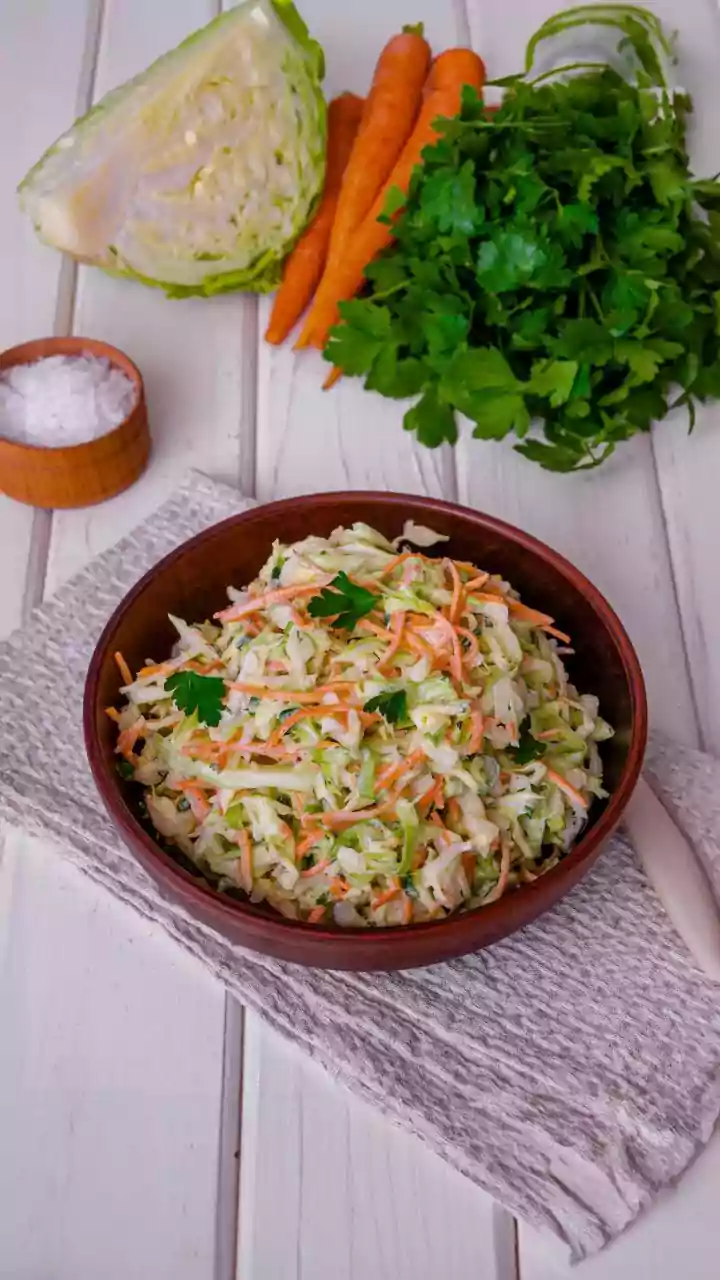
Saffron rice dishes, with their delicate but distinct flavour, pair beautifully with a variety of accompaniments. A simple saffron pulao is the perfect companion to rich curries like a Paneer Butter Masala or Malai Kofta, as its mildness balances the gravy. A grand biryani, being a meal in itself, needs little more than a cooling raita and a simple kachumber salad. For presentation, garnish with fried onions, fresh mint or coriander leaves, and a scattering of toasted nuts like pistachios or almonds. This not only adds texture but also makes the dish visually stunning, completing the elevated lunch experience.