


Why India's Parks Suddenly Shut Down
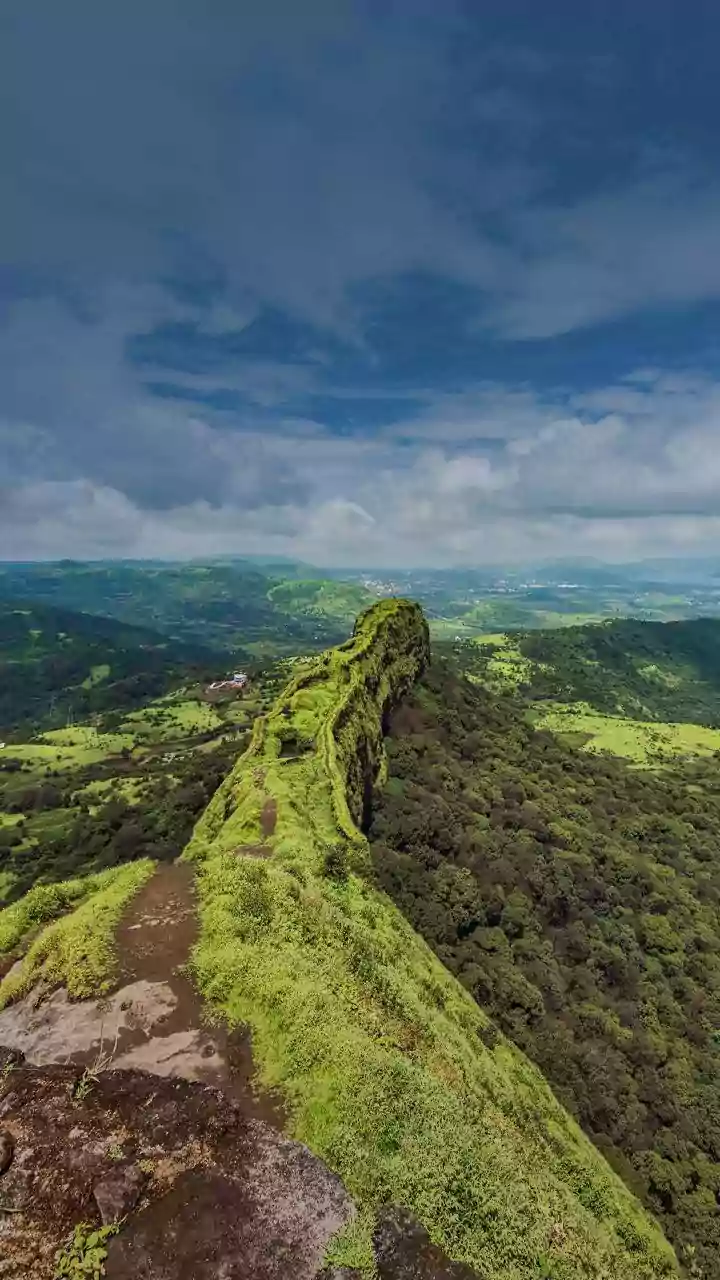
The most common reason for national park closures in India is the monsoon. Every year, parks across the country shut their core zones to protect both visitors and wildlife. For example, Kaziranga and Manas National Parks in Assam typically close from
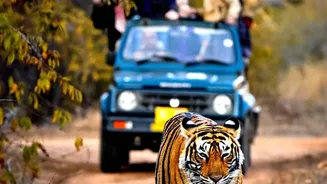
May or June until October. This is because heavy rains make forest tracks impassable, cause flooding, and create hazardous conditions. The monsoon is also a critical breeding season for many species, and limiting human disturbance is essential for conservation. Beyond the predictable monsoon, parks can also close unexpectedly due to forest fires, local administrative orders, extreme weather events, or specific wildlife management activities. Even a park that is technically open might have several of its most popular zones, like Dhikala in Jim Corbett, closed for long stretches.
The Ripple Effect on Your Plans
A park closure is rarely an isolated event. The disruption ripples outwards, affecting your transport and accommodation. Roads leading to the park entrance may be blocked or washed out, making it physically impossible to reach your resort. In regions heavily reliant on park tourism, local transport services might be suspended. Hotels and lodges, while located outside the park, suddenly face a wave of cancellations. This can lead to chaos as travellers scramble to alter their plans. Your non-refundable hotel booking is now a problem, and the train or flight you took to get to the area suddenly feels like a wasted journey. The entire ecosystem of guides, drivers, and local businesses that depends on visitors comes to a standstill, leaving you with limited options and support on the ground.
The Financial Fallout of a Failed Trip
The financial sting of a cancelled park trip can be significant. Safari permits, especially for premier parks like Ranthambore or Jim Corbett, are often non-refundable once booked through the forest department. Tour operators may have their own cancellation policies, but they are bound by the government's rules. This means you could lose the full cost of the safari itself. Many travel packages have scaled cancellation fees, where you lose a higher percentage of the cost the closer it gets to your travel date. Last-minute cancellations often result in no refund at all. Add to this the potential loss of non-refundable flight tickets and hotel deposits, and a dream holiday can quickly turn into a costly nightmare. Policies around 'Force Majeure' events like weather-related closures often mean operators are not liable for refunds.
How to Build a Resilient Travel Plan
You can't control the weather, but you can control your planning. First, research the seasonal patterns of your chosen park. Avoid booking travel to parks like Kaziranga or those in Madhya Pradesh between June and September, when core zones are known to be closed. When booking, prioritise flexibility. Opt for 'fully refundable' or 'book now, pay later' options for hotels and flights, even if they cost slightly more. Carefully read the cancellation policy of your safari operator and hotel before paying any deposit. A smart strategy is to build a 'Plan B' into your itinerary. Research other attractions in the region—temples, local craft villages, or scenic viewpoints—that are not dependent on the park being open. This way, if the park closes, you have an alternative plan and your trip isn't a total loss.
Staying Informed and What to Do
In the weeks leading up to your trip, actively monitor the situation. Check the official park website and its official social media channels for the latest announcements. Don't rely on outdated blog posts. Many parks, like Kaziranga, announce their closure dates a few weeks in advance. If you've booked through a travel agent, stay in regular contact with them. If you've booked independently, call your hotel directly a week before your arrival to confirm conditions on the ground. Should the worst happen and the park closes while you are there or just before you arrive, immediately contact your airline and hotel. Some may offer a partial refund or credit for a future stay if you explain the circumstances, though this is never guaranteed. Having travel insurance that covers trip disruptions can provide an essential financial safety net.