

Why Health is the New Secret Ingredient
For generations, Indian cooking has been about heritage, passed down through family recipes. Today, a new factor is seasoning the pot: a conscious drive for better health. An increasing awareness of lifestyle-related health issues, combined with easy
access to nutritional information, is inspiring home cooks to re-evaluate traditional methods. The goal isn't to abandon beloved dishes like biryani or butter chicken, but to evolve them. This modern approach is about making intelligent swaps and adjustments that align with contemporary wellness goals, ensuring that comfort food can also be nourishing food. It’s a shift from simply eating what we’ve always eaten to mindfully refining it for a healthier, more energetic life.
Powering Up with Protein
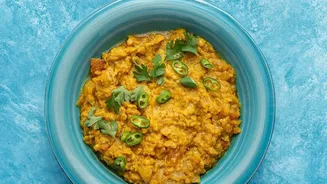
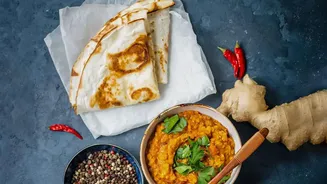
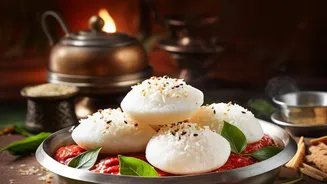
A common observation about many traditional Indian meals is that they can be heavy on carbohydrates. While delicious, a plate dominated by rice or roti can lack the protein needed to keep you full and support muscle health. The new wave of home cooking directly addresses this. Cooks are creatively boosting the protein content of everyday meals. Think beyond the standard dal. This means adding a handful of roasted chana or seeds to a snack plate, crumbling paneer or tofu into vegetable stir-fries, or mixing lentils into dosa and idli batter. Even meat dishes are being re-evaluated, with lean options like chicken or fish replacing heavier red meats, and cooking techniques like grilling taking precedence over frying.
The Fibre Focus: Whole Grains and More Vegetables
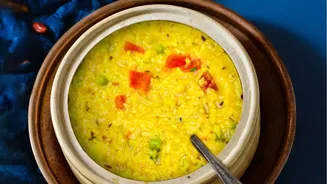
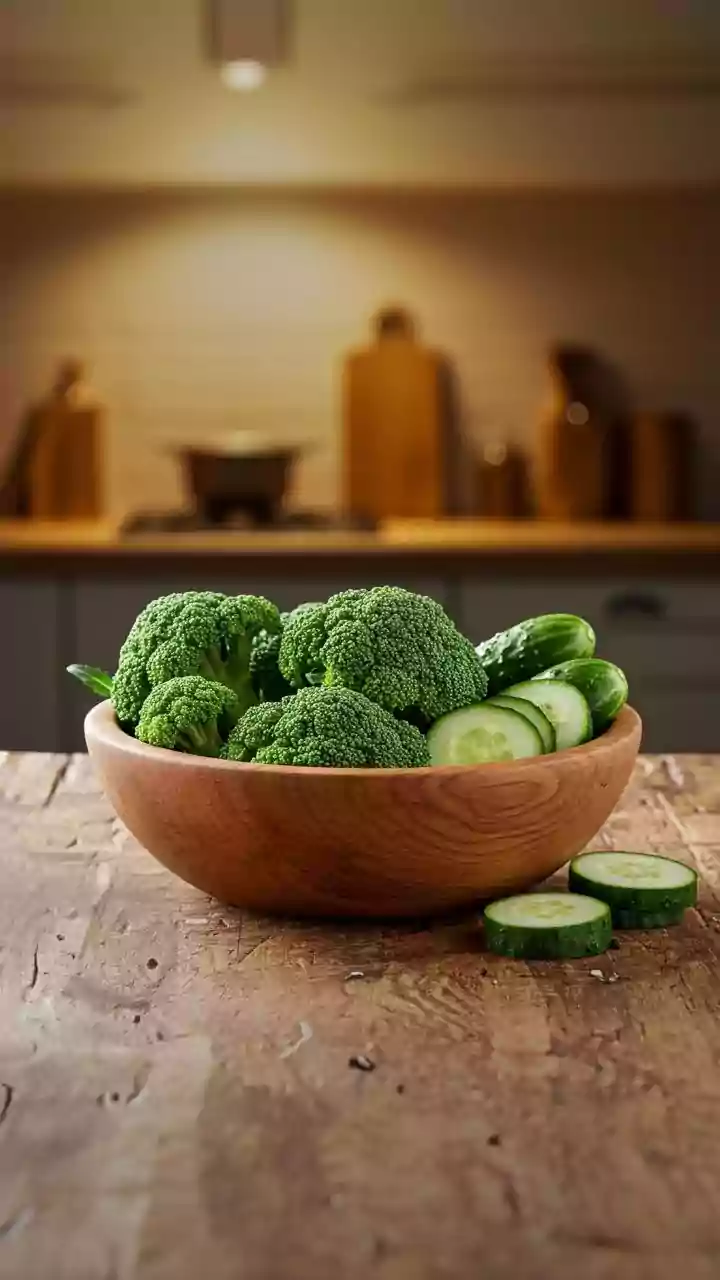
Fibre is crucial for digestive health and sustained energy, and Indian kitchens are finding easy ways to increase it. The most significant change is the move away from refined grains. Polished white rice is being swapped for nutrient-dense alternatives like brown rice, quinoa, and a variety of millets such as ragi, jowar, and bajra. These whole grains not only add fibre but also introduce new textures and nutty flavours. Similarly, whole wheat atta is being used more thoughtfully. Vegetables are also being given a starring role, moving from a simple side dish to a core component of the meal. Adding spinach to paratha dough, grating carrots into curries, or simply increasing the portion of sabzi on the thali are all simple strategies that make a significant difference.
Smart Swaps for Lighter Classics
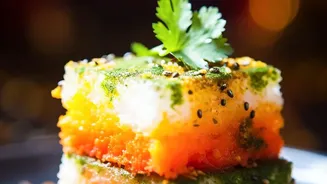
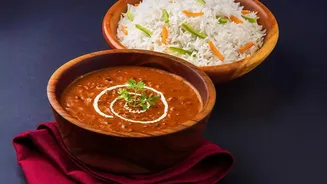
This modern approach shines brightest in the smart substitutions that cut down on unhealthy fats and empty calories without sacrificing flavour. Deep-fried snacks like samosas and pakoras are being baked or prepared in an air-fryer for the same satisfying crunch with a fraction of the oil. Heavy, cream-based gravies are being replaced with lighter versions made from yogurt or blended tomatoes and onions. Ghee and butter are still valued for their flavour, but they are being used more judiciously. These simple changes prove that healthier cooking isn't about restriction; it’s about innovation. It's about enjoying a baked aloo tikki that’s just as flavourful as its fried counterpart or a creamy curry where the richness comes from cashews or yogurt instead of heavy cream.
It's Not Just What You Eat, But How
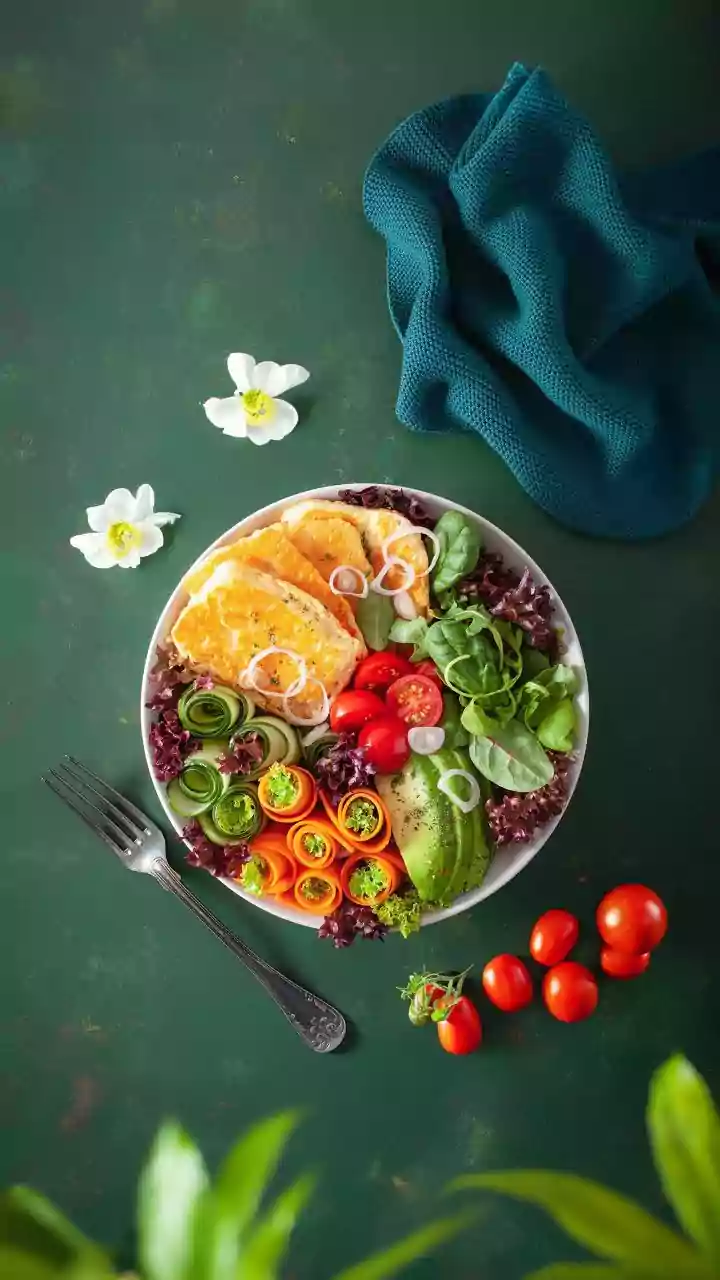
Beyond specific ingredients, this evolution is also about a more mindful approach to eating. The traditional Indian thali has always been a model of balanced nutrition, and that concept is being revitalised. The focus is on portion control—ensuring the plate has a healthy balance of grains, protein (dal, legumes, or lean meat), and a generous serving of vegetables. This shift also includes a greater appreciation for cooking techniques. Steaming, grilling, and stir-frying are becoming more common for daily meals, saving heavy-duty frying for special occasions. It marks a holistic change where the entire process of preparing and eating food is viewed through the lens of well-being, making every meal an opportunity to nourish the body.